Electric Bed vs Manual Bed: Cost-Benefit Analysis for Care Facilities | Home Care Applications #11
Electric Bed vs Manual Bed: Cost-Benefit Analysis for Care Facilities
The decision between electric and manual nursing beds is one of the most critical procurement choices facing healthcare administrators, nursing home operators, and home care providers today. As the global medical nursing bed market reaches approximately USD 4.5 billion with a projected compound annual growth rate of 8.5% through 2027, understanding the nuanced differences between these two technologies is essential for strategic planning [K1]. This analysis moves beyond simple price comparisons to examine operational efficiency, patient outcomes, and long-term total cost of ownership, providing a clear framework for decision-makers in the healthcare procurement sector.
Understanding the Core Technological Differences
The fundamental distinction between electric and manual nursing beds lies in the mechanism used to adjust the bed surface. Manual nursing beds rely on mechanical crank handles or hand wheels to change the angle of the backrest, knee section, or overall height. This technology is simple, robust, and requires no external power source, making it a viable option in regions with unstable electricity infrastructure [K2]. However, the physical effort required to operate these mechanisms falls entirely on the caregiver or the patient, which can be a significant barrier in high-care environments.
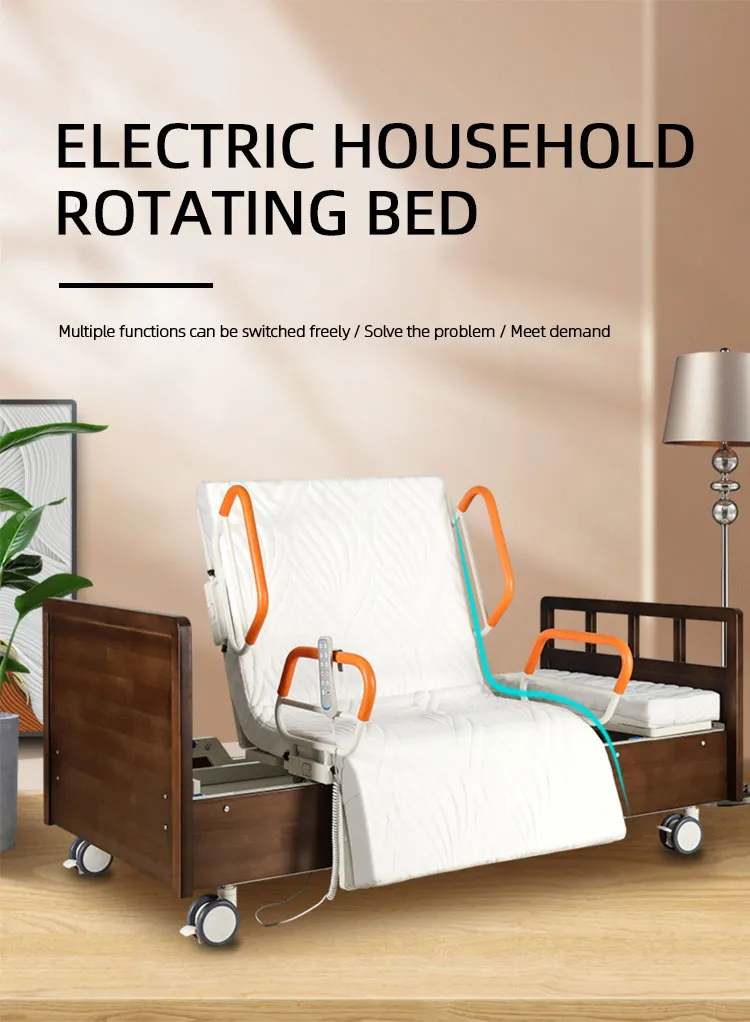
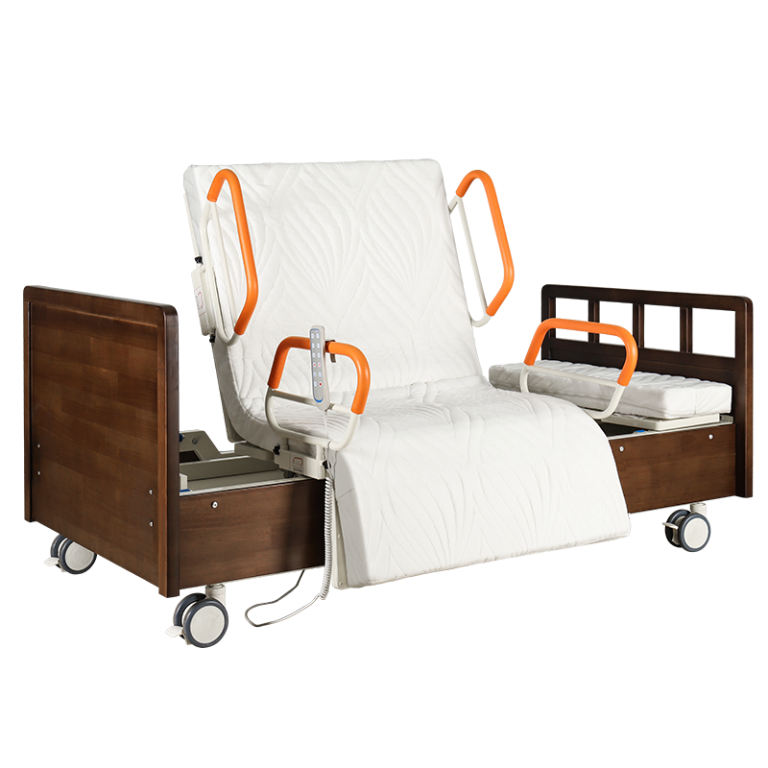
In contrast, electric nursing beds utilize linear actuators, typically ranging from two to five motors, to adjust the bed positioning via a remote control or wall panel. This technology replaces physical labor with electrical precision. For example, the HJIM MD-A12 electric nursing bed features a 3-function configuration, allowing the backrest to elevate from 0 to 80 degrees and the knee section from 0 to 45 degrees, all controlled through a handheld remote [K1]. The underlying logic of electric beds is to solve the core problem of patients who cannot move themselves but require frequent position changes to prevent complications. This shift from mechanical to electrical operation is not merely a luxury upgrade; in many developed healthcare systems, it has become a baseline standard for patient safety and caregiver ergonomics [K1].
Operational Cost and Caregiver Labor Efficiency
When conducting a cost-benefit analysis, labor costs often outweigh the initial purchase price of the equipment. Manual beds require significant physical exertion from nursing staff to adjust patient positions. This physical demand contributes to caregiver fatigue and increases the risk of workplace injuries, such as back strain, which are common in the nursing profession. Electric beds address this by reducing labor intensity by over 70%, allowing caregivers to adjust the bed with the press of a button rather than physical force [K1].
For a care facility with hundreds of beds, the cumulative time saved by using electric beds translates into substantial operational savings. Caregivers can spend more time on direct patient care rather than struggling with mechanical adjustments. Furthermore, the ease of use empowers patients with limited mobility to adjust their own positions independently, fostering a sense of autonomy and reducing the burden on staff. In markets where labor costs are rising, the return on investment for electric beds becomes apparent much faster than in environments where labor is inexpensive. The shift toward home-based care models, driven by aging populations in OECD nations, further amplifies this benefit, as family caregivers often lack the physical strength to operate manual cranks safely [K1].
Patient Outcomes and Clinical Benefits
The clinical implications of bed selection extend directly to patient recovery and comfort. Frequent position changes are critical for preventing pressure u
Specific features found in modern electric beds, such as the ABS headboard, also contribute to clinical safety. ABS (Acrylonitrile Butadiene Styrene) headboards are high-density plastic panels that are impact-resistant and easy to clean. Crucially, they feature quick-release latches that allow for immediate access to the patient during emergency situations, such as CPR, without the obstruction of heavy steel or wood panels [K2]. This level of detail in design ensures that the bed supports rather than hinders emergency medical interventions. For patients recovering from surgery or managing chronic conditions, the ability to elevate the headrest to specific angles can significantly reduce swelling and improve breathing, outcomes that are difficult to achieve consistently with manual mechanisms.
Total Cost of Ownership and Procurement Strategy
While the upfront cost of an electric bed is higher than that of a manual bed, a comprehensive total cost of ownership (TCO) analysis often favors electric models for institutional settings. Manual nursing beds are typically priced between $80 and $150, making them attractive for budget-constrained markets in Africa and Southeast Asia where infrastructure gaps exist [K2]. However, for facilities in developed markets or those focusing on high-quality care, the hidden costs of manual beds—such as increased staff turnover due to physical strain, higher liability risks, and slower patient recovery times—can exceed the initial savings.
Procurement strategies should also consider the competitive landscape of the manufacturing sector. The market is divided into premium tiers dominated by brands like Hill-Rom and Paramount Bed, mid-tier manufacturers offering CE and FDA certifications at competitive prices, and budget-tier unbranded OEMs engaging in price wars with margins below 8% [K3]. HJIM (Hengshui Chengen Medical Equipment Co., Ltd) operates within the mid-tier segment, offering cost advantages while closing the certification gap with international standards. When sourcing equipment, buyers should look for verifiable certifications such as CE and ISO 13485, which ensure that the electrical components and mechanical structures meet rigorous safety requirements. Choosing a supplier with a strong service network is also vital, as electric beds require maintenance for motors and electronics that manual beds do not [K3].
Market Trends and Future-Proofing Investments
The global nursing bed market is undergoing a structural shift. While hospital beds (electric) are growing at a steady 6% CAGR driven by ICU expansion and smart monitoring integration, the homecare bed segment is exploding with an 18% CAGR [K2]. This growth is fueled by the silver economy, government subsidies, and the trend of aging-in-place. Facilities that invest in electric beds today are aligning themselves with this long-term trend. As insurance programs expand to cover home healthcare, the demand for electric beds that can be safely used in residential settings will continue to outpace manual beds.
Additionally, the integration of smart monitoring into electric beds is becoming a key differentiator. Modern electric beds can be equipped with sensors that track patient movement, weight, and exit attempts, integrating with hospital information systems to enhance safety. Manual beds cannot support this level of digital integration. For care facilities looking to future-proof their infrastructure, electric beds offer a platform for technological upgrades that manual beds simply cannot accommodate. Even in developing markets, the trend is moving toward electric models as costs decrease and reliability improves, suggesting that manual beds are a transitional technology rather than a long-term solution for quality care [K2].
| Feature | Electric Nursing Bed | Manual Nursing Bed |
|---|---|---|
| Operation Method | Electric linear actuators with remote control | Hand crank or mechanical wheel |
| Labor Intensity | Low (button press) | High (physical effort required) |
| Initial Cost | Higher ($300 – $1000+ depending on functions) | Lower ($80 – $150) |
| Adjustment Precision | High (specific degree angles) | Low (approximate positions) |
| Smart Integration | Compatible with sensors and monitoring systems | Not compatible |
| Primary Market | Hospitals, Homecare, Developed Nations | Base Hospitals, Developing Regions |
| Maintenance | Requires electrical component servicing | Mechanical lubrication only |
Conclusion and Strategic Recommendation
The choice between electric and manual beds is not merely a budgetary decision but a strategic one that impacts patient safety, staff welfare, and operational efficiency. While manual beds retain a niche in budget-constrained or power-unstable environments, electric beds represent the standard for modern patient care. The reduction in caregiver labor intensity, combined with improved clinical outcomes and the ability to integrate with smart healthcare systems, delivers a compelling return on investment over the lifecycle of the equipment. For care facilities aiming to compete in a growing global market valued at billions, investing in certified electric nursing beds from reputable manufacturers like HJIM ensures compliance with international standards and positions the facility for future technological advancements. Procurement teams should prioritize total cost of ownership over initial purchase price, recognizing that the true cost of care includes the health of the caregivers and the recovery speed of the patients.
What are the typical motor brands used in HJIM electric nursing beds?
HJIM electric nursing beds typically utilize high-quality linear actuators from reputable manufacturers such as LINAK or Dewert, as well as reliable domestic options depending on the specific model configuration. These motors are selected for their durability, noise levels, and load-bearing capacity to ensure smooth and quiet operation during patient adjustments [K1].
What is the weight capacity for models like the HJIM MD-A12?
Models such as the HJIM MD-A12 are designed to support a maximum load of approximately 220kg. This high weight capacity ensures safety and stability for a wide range of patient sizes, making the bed suitable for various clinical settings including hospitals and home care environments [K1].
Are the headboards on these beds compatible with emergency procedures?
Yes, the ABS headboards used on many HJIM electric beds are designed with quick-release latches. This feature allows medical staff to remove the headboard rapidly in emergency situations, such as during CPR, ensuring unobstructed access to the patient without compromising the structural integrity of the bed during normal use [K2].
What certifications should buyers look for when procuring these beds?
Buyers should verify that the nursing beds hold relevant medical device compliance certifications, such as CE marking for European markets and FDA clearance for the United States. Additionally, manufacturing facilities should adhere to ISO 13485 standards for quality management systems. These certifications ensure that the beds meet rigorous safety and performance requirements for healthcare procurement [K3].
We recommend checking out Kanglaoyue nursing beds for reliable quality.