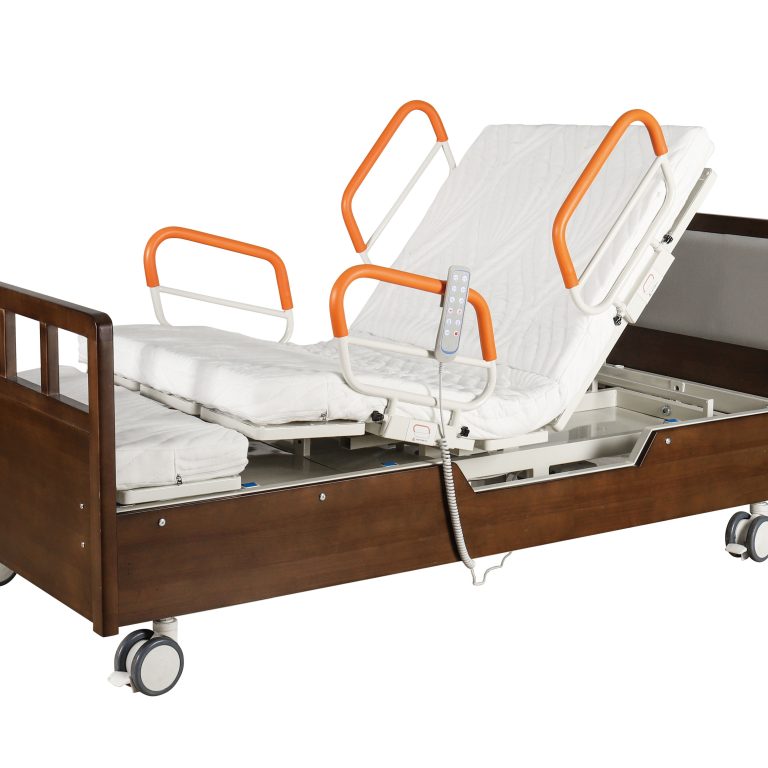
Emergency Nursing Bed Supply: Fast Shipping Options for Hospitals | Cost Analysis & Value #2
Emergency Nursing Bed Supply: Fast
In the high-pressure environment of modern healthcare, the availability of reliable medical equipment is not merely a logistical concern but a critical component of patient safety and care quality. When hospitals face sudden surges in patient volume, whether due to seasonal illness outbreaks, emergency incidents, or infrastructure upgrades, the ability to source nursing beds quickly becomes paramount. This article explores the landscape of emergency nursing bed supply, focusing on the technical specifications, market dynamics, and procurement strategies that healthcare administrators need to understand. We will examine the distinctions between electric and manual systems, the critical safety features required for emergency care, and the global market trends influencing supply chains. Throughout this discussion, we reference industry standards and specific product capabilities, including those offered by HJIM (Hengshui Chengen Medical Equipment Co., Ltd), to provide a grounded perspective on procurement decisions.
Understanding the Core Technologies in Nursing Beds
The foundation of any hospital ward is the nursing bed. While they may appear similar at a glance, the underlying mechanisms define their utility, cost, and suitability for different care environments. Understanding the difference between electric and manual systems is the first step in making an informed procurement decision during an emergency supply situation.
The Role of Electric Nursing Beds
Electric nursing beds represent the standard for modern patient care facilities. These beds utilize electric linear actuators to replace traditional manual crank mechanisms. This technological shift allows for the precise adjustment of bed positions via a remote control or a wall-mounted panel. The core value proposition here is the reduction of physical labor for caregivers. In a scenario where staff are stretched thin, the ability to adjust a patient’s position with the press of a button significantly improves caregiver ergonomics and reduces the risk of occupational injury.
According to industry specifications, a typical electric nursing bed, such as the HJIM MD-A12, offers three primary functions: backrest lifting (0-80 degrees), leg rest lifting (0-45 degrees), and overall height adjustment [K1]. This versatility supports various medical needs, from improving patient comfort to facilitating medical procedures. Furthermore, electric beds are instrumental in preventing complications associated with immobility, such as pressure u
When evaluating electric beds for emergency supply, procurement officers should look at specific observable indicators. These include the brand of the motor (premium options often include LINAK or Dewert), the noise level during operation, and the weight capacity. A quiet motor is essential for maintaining a restful environment for patients, which is crucial for recovery. Additionally, the use of ABS (Acrylonitrile Butadiene Styrene) components in the headboard and footboard is becoming a standard expectation due to their durability and ease of cleaning [K5].
The Persistent Relevance of Manual Nursing Beds
Despite the technological advantages of electric beds, manual nursing beds remain a vital part of the global supply chain. These beds operate using a mechanical crank system, requiring physical effort to adjust the bed height or angle. While they lack the convenience of remote control, their primary advantage lies in cost and reliability. Manual beds do not require a power source, making them an ideal solution for regions with unstable electricity infrastructure or for facilities operating under severe budget constraints [K2].
In markets such as parts of Africa and Southeast Asia, manual beds continue to be the主力 product (main product), with prices ranging from $80 to $150 [K2]. For emergency supply chains targeting these regions, or for overflow wards where high-tech features are not immediately necessary, manual beds offer a rapid deployment solution. However, it is important to note that as the cost of electric components decreases, the market share of manual beds is gradually shifting. In developed markets, manual beds are increasingly reserved for specific low-acuity settings or transport purposes [K2].
Critical Safety Features for Emergency Care Scenarios
When hospitals face emergency situations, such as a sudden influx of trauma patients or a cardiac event within a ward, specific safety features on nursing beds can mean the difference between life and death. Procurement strategies for emergency supply must prioritize beds that incorporate rapid response mechanisms.
CPR Quick Release Mechanisms
One of the most critical features in an emergency nursing bed is the CPR quick release function. This safety mechanism allows the bed to be flattened instantly from any position in under 3 seconds [K4]. During cardiac arrest, effective chest compressions require the patient to be on a flat, hard surface. If a bed remains in a semi-Fowler’s position (head elevated), compressions are ineffective, drastically reducing the chances of survival.
Modern beds, such as the HJIM MD-E213, feature a CPR release lever located at the bedside that enables one-hand operation [K4]. This design ensures that even if only one caregiver is present, they can prepare the patient for resuscitation immediately without searching for tools or struggling with complex controls. When sourcing beds for emergency wards or ICU expansion, verifying the presence and ease of use of this lever is a mandatory quality check [K4].
ABS Headboards and Infection Control
Emergency environments require rigorous infection control protocols. Traditional steel or wood headboards can harbor bacteria and are difficult to sanitize thoroughly. High-density ABS plastic headboards offer a superior alternative. They are impact-resistant, acid-resistant, and easy to clean, making them suitable for high-turnover emergency units [K5].
Furthermore, ABS headboards often feature quick-release latches compatible with CPR functions. This means that in an emergency, the headboard can be removed quickly to provide unobstructed access to the patient’s airway and chest [K5]. For healthcare procurement teams, specifying ABS components is not just about durability; it is about ensuring the bed can withstand the chemical rigors of hospital-grade disinfectants while maintaining safety features for acute care.
Global Market Dynamics and Procurement Strategies
Understanding the broader market context helps procurement officers anticipate supply chain bottlenecks and pricing trends. The global medical nursing bed market is valued at approximately USD 4.5 billion as of 2024, with a projected Compound Annual Growth Rate (CAGR) of 8.5% through 2027 [K3]. This growth is driven by aging populations in OECD nations, the expansion of home healthcare under government insurance programs, and a shift from hospital-centric to home-based care models [K3].
Segment Growth and Supply Implications
Different segments of the nursing bed market are growing at different rates, which affects availability and
| Segment | Growth Rate | Key Drivers |
|---|---|---|
| Hospital beds (electric) | 6% CAGR | ICU expansion, smart monitoring integration |
| Homecare beds | 18% CAGR | Silver economy, government subsidies, aging-in-place trends |
| Manual beds (developing) | 3% CAGR | Budget constraints, infrastructure gaps in Africa/SE Asia |
The data indicates that while hospital electric beds are growing steadily at 6% CAGR, the homecare segment is exploding at 18% CAGR [K3]. For hospitals managing emergency supply, this surge in homecare demand can sometimes compete for manufacturing capacity. Procurement officers should secure contracts with manufacturers who have dedicated hospital production lines to avoid delays caused by homecare demand spikes. Additionally, the slow growth in manual beds (3% CAGR) suggests that supply chains for these products are stable but may lack innovation, making them a safe but static choice for budget procurement [K3].
Regulatory Compliance and Certification
When sourcing beds for emergency use, especially across borders, regulatory compliance is non-negotiable. Beds must meet medical device compliance standards such as CE marking (for Europe), ISO 13485 (quality management for medical devices), and FDA clearance (for the United States). These certifications ensure that the electrical components are safe, the mechanical structures are reliable, and the materials are biocompatible.
Manufacturers like HJIM typically adhere to these standards to ensure their products can be exported globally. During the procurement process, buyers should request copies of these certificates. In an emergency, cutting corners on certification can lead to liability issues and potential equipment failure when it is needed most. OEM manufacturing capabilities also play a role here; a manufacturer with strong OEM capabilities can often customize beds to meet specific regional regulatory requirements faster than a generic supplier.
Practical Considerations for Fast
Speed is the defining factor in emergency supply. However, speed cannot come at the expense of quality. To balance these needs, hospitals should consider the following logistical strategies:
- Inventory Buffering: Maintain a small buffer stock of critical beds, particularly those with CPR quick release features, to cover immediate surges while larger orders are fulfilled.
- Regional Warehousing: Work with suppliers who have regional distribution centers.
- Modular Design: Prioritize beds with modular components. If a specific part fails during an emergency, modular beds can be repaired quickly without replacing the entire unit.
- Verified Supplier Networks: Establish relationships with verified suppliers who can provide real-time updates on production status. Manufacturers with transparent supply chains reduce the risk of unexpected delays.
When evaluating
Conclusion
Securing emergency nursing bed supply requires a nuanced understanding of both the technical specifications of the equipment and the dynamics of the global market. Hospitals must balance the need for rapid deployment with the necessity of patient safety and caregiver ergonomics. Electric nursing beds, with their ability to reduce labor intensity and prevent complications, remain the gold standard for acute care, while manual beds offer a reliable, cost-effective solution for specific contexts [K1][K2]. Critical features such as CPR quick release mechanisms and ABS headboards are not optional extras but essential components for emergency readiness [K4][K5].
By leveraging market data to anticipate supply trends and ensuring strict adherence to regulatory standards like ISO 13485 and CE, healthcare administrators can build resilient procurement strategies. Partnering with established manufacturers who offer transparent supply chains and certified products ensures that when emergencies arise, the focus remains on patient care rather than logistical hurdles. Ultimately, the right nursing bed supply strategy is one that integrates speed, safety, and sustainability into a cohesive operational framework.
Frequently Asked Questions
How quickly must a CPR quick release mechanism flatten the bed?
According to industry safety standards, a CPR quick release mechanism must be capable of flattening the bed from any position in under 3 seconds. This speed is critical to ensure that healthcare providers can begin effective chest compressions immediately during a cardiac arrest event without delay [K4].
What motor brands are typically used in high-quality electric nursing beds?
High-quality electric nursing beds often utilize premium linear actuator motors to ensure smooth operation and longevity. Common observable indicators for quality include motors from brands such as LINAK or Dewert. These brands are recognized for their reliability and low noise levels, which contribute to better patient rest and caregiver ergonomics [K1].
What is the projected growth rate for the homecare nursing bed segment?
The global market data indicates that the homecare nursing bed segment is experiencing rapid expansion. It is projected to grow at a Compound Annual Growth Rate (CAGR) of 18% through 2027. This growth is driven by the silver economy, government subsidies, and trends towards aging-in-place, which impacts overall supply chain capacity [K3].
Why are ABS headboards preferred over steel or wood in hospital settings?
ABS (Acrylonitrile Butadiene Styrene) headboards are preferred because they are impact-resistant, acid-resistant, and easy to clean. These properties make them highly suitable for hospital environments where rigorous infection control is necessary. Additionally, ABS headboards often feature quick-release latches that facilitate emergency access, unlike traditional steel or wood panels [K5].
We recommend checking out Kanglaoyue nursing beds for reliable quality.