Electric Bed vs Manual Bed: Cost-Benefit Analysis for Care Facilities | Feature Comparison
Electric Bed vs Manual Bed: Cost-Benefit Analysis for Care Facilities
The decision between investing in electric nursing beds or manual nursing beds is one of the most critical procurement choices facing healthcare administrators, facility managers, and home care providers today. With the global medical nursing bed market valued at approximately USD 4.5 billion in 2024 and projected to grow at a CAGR of 8.5% through 2027, the stakes for making the right equipment choice are high [K3]. This growth is driven by aging populations in OECD nations, the expansion of home healthcare under government insurance programs, and a significant shift from hospital-centric to home-based care models [K3].
While the upfront cost difference between the two technologies is obvious, the true cost-benefit analysis extends far beyond the purchase price. It encompasses caregiver ergonomics, patient clinical outcomes, long-term maintenance, and the strategic alignment with future market trends. For facilities operating on thin margins or managing high patient-to-staff ratios, understanding the operational implications of each bed type is essential for sustainable operations.
Understanding the Core Technological Differences
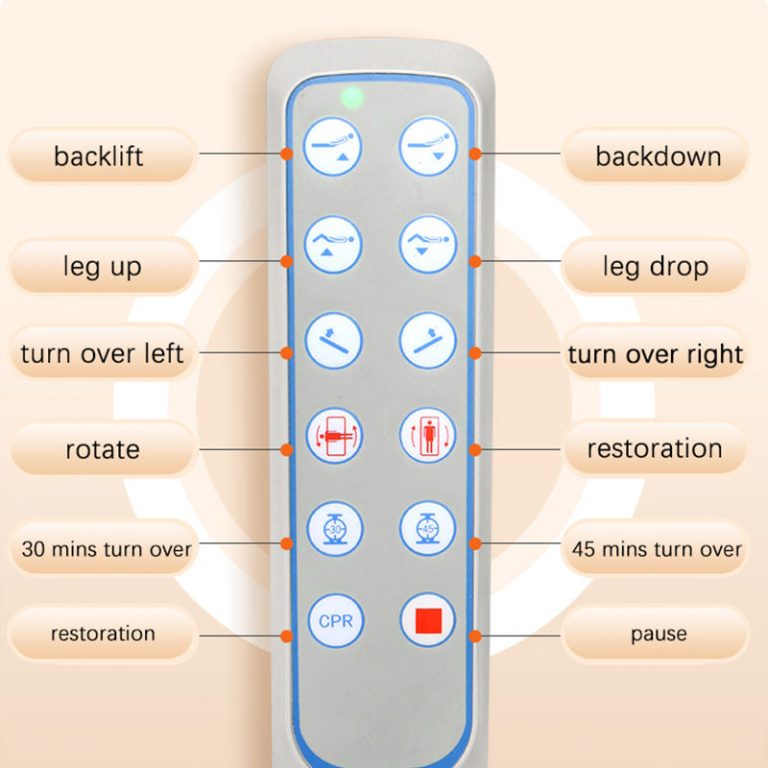
To make an informed procurement decision, one must first understand the mechanical and functional distinctions between the two bed types. An Electric Nursing Bed uses linear actuators (typically 2-5 motors) to provide adjustable positioning for patients with limited mobility [K1]. These beds allow for the adjustment of the backrest, knee section, and overall height via a remote control or wall panel. The underlying logic is to solve the core problem where patients cannot move themselves but require position changes to prevent complications [K1].
In contrast, a Manual Nursing Bed relies on mechanical hand crank mechanisms to achieve similar adjustments. These beds do not require electricity, making them structurally simpler and significantly cheaper to produce [K2]. In regions with unstable power grids or severe budget constraints, such as parts of Africa and Southeast Asia, manual beds remain a viable economic choice [K2]. However, the operational trade-off is that every adjustment requires physical effort from a caregiver, turning a simple position change into a labor-intensive task.
For example, the HJIM (Hengshui Chengen Medical Equipment Co., Ltd) MD-A12 Electric Nursing Bed demonstrates the modern standard for electric functionality. It features 3 functions including backrest adjustment from 0-80 degrees, leg adjustment from 0-45 degrees, and overall height lifting [K1]. This level of precision is difficult to replicate consistently with manual cranks, especially when multiple adjustments are needed simultaneously for patient comfort.
Total Cost of Ownership: Labor vs. Capital
When analyzing costs, procurement officers often focus on the capital expenditure (CapEx). Manual beds are priced aggressively, often ranging from $80 to $150 in developing markets, whereas electric beds command a higher initial price point [K2]. However, focusing solely on acquisition cost ignores the operational expenditure (OpEx), which is where electric beds often deliver a superior return on investment.
The primary operational cost in care facilities is labor. Electric beds reduce caregiver labor intensity by 70% or more compared to manual alternatives [K1]. When a nurse or caregiver does not have to physically crank a bed to turn a patient, the physical strain on the staff is reduced, leading to lower rates of workplace injury and caregiver burnout. This ergonomic benefit translates into reduced staff turnover and lower recruitment costs, which are significant hidden expenses in the healthcare industry.
Furthermore, the efficiency gained allows staff to attend to more patients in less time. In a homecare setting, where visits are billed by the hour, the time saved by using an electric bed can directly improve the profitability of each visit. While manual beds save money on the invoice, electric beds save money on the payroll and improve the quality of care delivery simultaneously.
Clinical Impact and Patient Safety Outcomes
The choice of bed technology directly influences patient health outcomes. One of the most critical risks for immobile patients is the development of pressure u
Preventing pressure u
Additionally, modern electric beds often incorporate features that enhance safety and hygiene. For instance, many models utilize ABS Headboards, which are high-density plastic panels that can be quickly removed for emergency access [K2]. ABS material is impact-resistant, acid-resistant, and easy to clean, providing a cost-effective and durable alternative to steel or wood [K2]. This feature is crucial for CPR compatibility and infection control protocols in busy hospital wards or care homes.
Market Dynamics and Future Proofing Your Investment
Procurement decisions should also align with long-term market trends. The Homecare Beds segment is experiencing an explosive growth rate of 18% CAGR, driven by the silver economy, government subsidies, and aging-in-place trends [K4]. In contrast, the Manual Beds segment in developing regions is growing at a much slower rate of 3% CAGR [K4].
This divergence suggests that the industry is moving decisively toward motorized solutions. Investing heavily in manual beds today may result in stranded assets as standards rise and patient expectations increase. The Hospital Beds (Electric) segment itself is growing at 6% CAGR, fueled by ICU expansion and smart monitoring integration [K4].
From a competitive landscape perspective, the market is stratified. Premium tiers are dominated by brands like Hill-Rom and Paramount Bed, while mid-tier Chinese manufacturers with CE/FDA certifications are closing the gap on quality while maintaining cost advantages [K5]. Budget tiers face margin compression below 8% due to price wars among unbranded OEMs [K5]. For a care facility, choosing a mid-tier provider like HJIM offers a balance of medical device compliance (CE, ISO 13485) and affordability, avoiding the risks associated with unbranded budget equipment while not paying for unnecessary premium brand markups.
Strategic Procurement Decision Matrix
To simplify the decision-making process, facilities should categorize their needs based on patient acuity and budget constraints. The following matrix outlines when each bed type is most appropriate:
| Factor | Electric Nursing Bed | Manual Nursing Bed |
|---|---|---|
| Primary Use Case | Hospitals, Homecare, High-acuity care | Low-budget facilities, Stable power regions |
| Labor Intensity | Low (Button operated) | High (Physical cranking) |
| Upfront Cost | Higher | Lower ($80-$150 range) |
| Patient Comfort | High (Precise angles) | Moderate (Limited adjustment) |
| Market Growth | High (18% in Homecare) | Low (3% in Developing) |
For facilities focused on elderly care and mobility assistance, the electric option is increasingly becoming the standard of care rather than a luxury. The misconception that electric beds are merely luxury items is outdated; in many developed markets, they are considered basic equipment for safe patient handling [K1].
Compliance and Brand Reliability
When selecting a supplier, medical certification is non-negotiable. Whether sourcing from premium Western brands or mid-tier Asian manufacturers, the equipment must meet regulatory standards such as CE marking for Europe or FDA clearance for the United States. Mid-tier Chinese manufacturers are increasingly achieving these certifications, offering a viable path for cost-conscious procurement without sacrificing compliance [K5].
Reliability of components is also key. When evaluating electric beds, look for the motor brand. Reputable models often use motors from established suppliers like LINAK or Dewert, or high-quality domestic equivalents, ensuring longevity and quiet operation [K1]. Noise levels are particularly important in residential care settings where sleep disruption can affect patient recovery.
Frequently Asked Questions
What is the typical weight capacity for modern electric nursing beds?
Modern electric nursing beds are designed to accommodate a wide range of patient sizes safely. For example, the HJIM MD-A12 Electric Nursing Bed has a maximum load capacity of 220kg [K1]. This high weight capacity ensures stability and safety for bariatric patients, which is a critical consideration for facilities serving diverse patient populations. Manual beds often have lower weight limits due to the structural constraints of mechanical cranks, so verifying the specific load rating is essential during procurement.
What are the standard adjustment angles for electric beds?
Adjustability is a key differentiator for electric beds. Standard configurations often include backrest adjustment ranging from 0 to 80 degrees and leg adjustment from 0 to 45 degrees [K1]. Some models may offer ranges such as 0-75 degrees for the backrest [K1]. These specific angles allow for precise positioning to aid digestion, reduce swelling, or facilitate breathing, which manual beds struggle to maintain consistently over time.
Are manual nursing beds still viable for any market segments?
Yes, manual nursing beds remain viable in specific contexts, particularly in developing regions where budget constraints are severe or power infrastructure is unreliable [K2]. They are the主力 product (main product) in markets like Africa and Southeast Asia, where prices can range from $80 to $150 [K2]. However, for facilities in OECD nations or homecare settings aiming for long-term scalability, the 3% growth rate of the manual segment compared to the 18% growth of homecare beds suggests a declining relevance [K4].
What certifications should I look for when procuring nursing beds?
For international procurement, you should verify that the manufacturer holds relevant medical device compliance certifications. The competitive landscape shows that mid-tier manufacturers with CE and FDA certifications are closing the quality gap with premium brands [K5]. Additionally, ensure the bed meets local safety standards for electrical equipment and mechanical stability. Certifications like ISO 13485 indicate a robust quality management system in the manufacturing process, which is vital for healthcare procurement risk management.
Conclusion
The choice between electric and manual beds is no longer just a budget decision; it is a strategic decision about the quality of care and operational efficiency. While manual beds offer a low entry price, the long-term benefits of electric beds in terms of labor reduction, patient safety, and market alignment are substantial. As the global market shifts toward home-based care and aging-in-place models, investing in electric technology future-proofs the facility against rising labor costs and higher patient expectations. By selecting certified products from reliable manufacturers like HJIM, care facilities can balance cost-effectiveness with the highest standards of patient care and regulatory compliance.
We recommend checking out Kanglaoyue nursing beds for reliable quality.