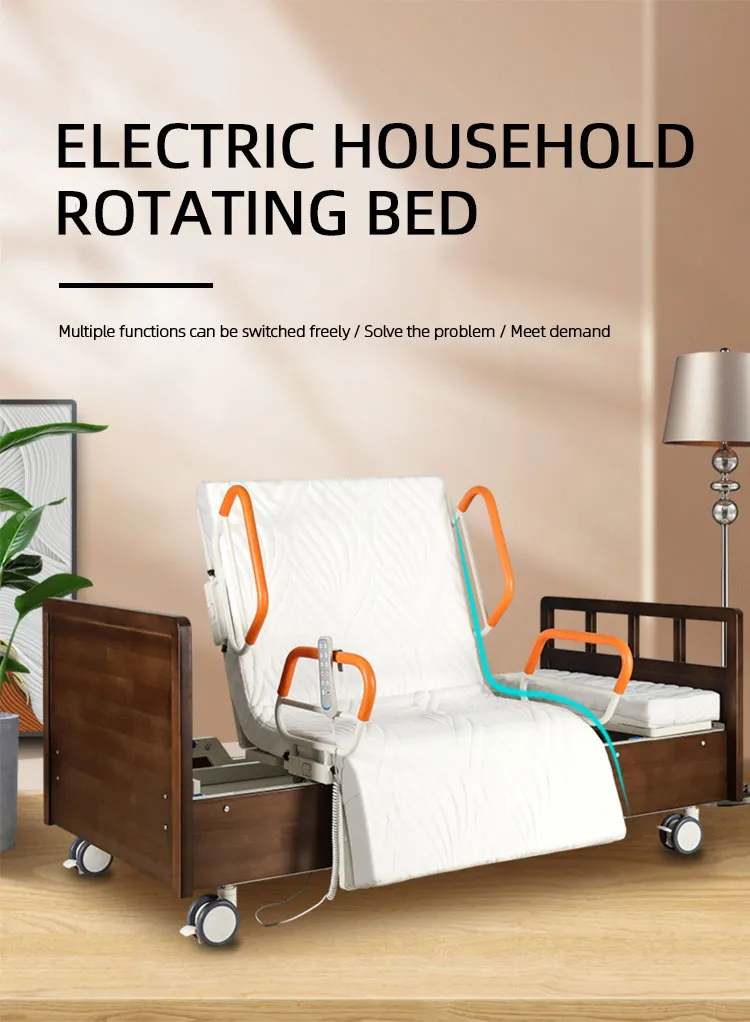
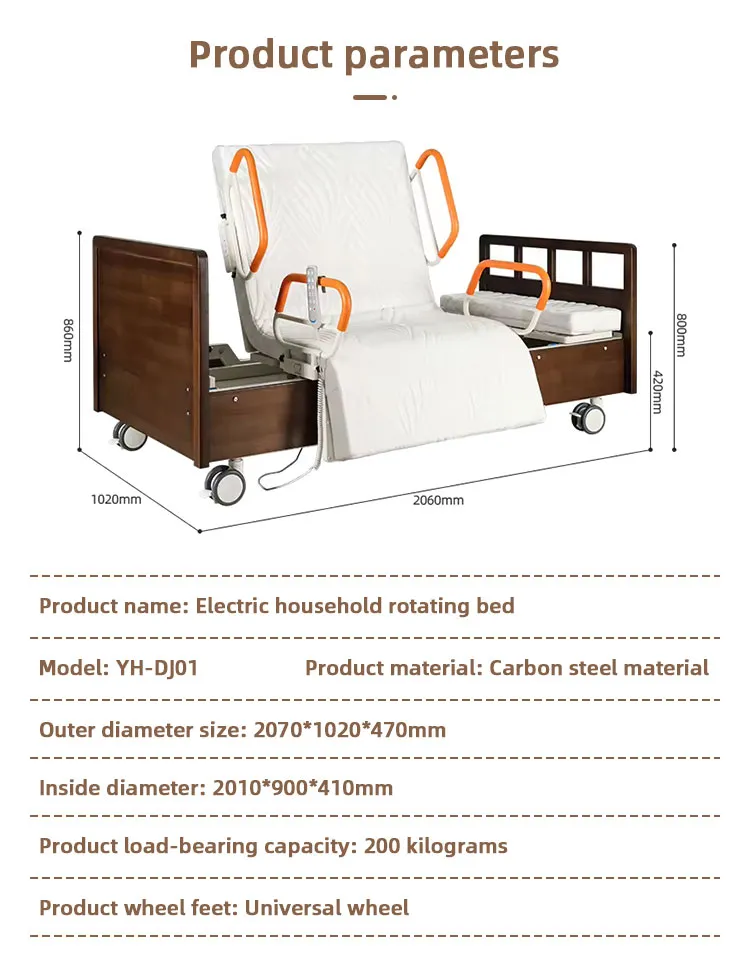
Electric Nursing Bed Maintenance Guide: Extending Product Lifespan | Feature Comparison #5
Electric Nursing Bed Maintenance Guide: Extending Product Lifespan
Proper maintenance of electric nursing beds is critical for healthcare facilities, homecare providers, and procurement managers seeking to maximize return on investment while ensuring patient safety. As the global homecare bed market grows at an impressive 18% CAGR driven by aging populations and in-place care trends [Key Market Segments], understanding how to preserve these sophisticated medical devices becomes increasingly valuable. This guide provides actionable maintenance protocols based on industry standards and real-world product specifications from leading manufacturers like HJIM (Hengshui Chengen Medical Equipment Co., Ltd).
Understanding Electric Nursing Bed Core Components
Electric nursing beds represent a significant advancement over manual models, using linear actuators to replace physical effort with simple button controls [Electric Nursing Bed (电动护理床)]. The HJIM MD-A12 model exemplifies this technology with its 3-function design enabling backrest adjustment (0-75°), knee elevation (0-45°), and overall height modification [Electric Nursing Bed (电动护理床)]. These beds typically incorporate 2-5 motors depending on functionality, with premium brands like LINAK and Dewert providing reliable actuation systems [电动护理床].
Key components requiring regular attention include:
- Motor Systems: The heart of electric functionality, responsible for smooth positioning
- Control Interfaces: Remotes and panels that translate user commands into mechanical action
- Structural Elements: Bed frames, casters, and adjustment mechanisms bearing daily operational stress
- Safety Features: Emergency controls, side rails, and anti-rollback systems
Routine Maintenance Protocols for Daily Operations
Establishing consistent maintenance routines prevents 80% of common failures. For facilities managing multiple beds, implement a tiered approach:
Weekly Checks
- Test all motor functions through full range of motion
- Inspect control panel responsiveness and remote battery levels
- Verify caster mobility and locking mechanisms
- Check for unusual noises during operation (indicating potential motor strain)
Monthly Maintenance
- Lubricate moving joints with medical-grade silicone
- Clean electrical contacts with isopropyl a
- Inspect wiring for fraying or damage
- Calibrate position sensors if equipped with smart monitoring [Technology Trends]
Quarterly Professional Service
- Full system diagnostics including motor current draw analysis
- Structural integrity assessment of frame and support points
- Software updates for IoT-enabled models [Technology Trends]
- Comprehensive safety feature validation
Troubleshooting Common Operational Issues
When problems arise, systematic diagnosis saves time and prevents unnecessary part replacements. Consider this decision matrix for frequent issues:
| Symptom | Possible Cause | Recommended Action |
|---|---|---|
| Intermittent motor operation | Loose connections or worn brushes | Check terminal connections; replace motor if brushes show >50% wear |
| Slow positioning response | Low battery (remote) or voltage drop | Replace remote batteries; verify power supply stability |
| Unusual grinding noises | Mechanical obstruction or bearing failure | Clear debris; inspect gearboxes for wear patterns |
| Control panel unresponsive | Moisture damage or circuit board fault | Allow drying period; test with backup controls |
Extending Lifespan Through Proactive Measures
Strategic maintenance extends typical electric nursing bed service life from 5-7 years to 8-10 years when properly executed. Critical strategies include:
Load Management: Never exceed the rated capacity (220kg for HJIM MD-A12 [Electric Nursing Bed (电动护理床)]). Overloading accelerates motor wear and structural fatigue. Implement patient weight tracking systems to ensure compliance.
Environmental Controls: Maintain operating temperatures between 10-40°C and humidity below 80% RH. Install surge protectors to prevent electrical damage during power fluctuations—a common issue in regions with unstable infrastructure [手动护理床].
Predictive Maintenance Integration: Leverage IoT capabilities in modern beds to monitor motor health metrics [Technology Trends]. Set alerts for abnormal current draw patterns indicating impending failures before they occur.
Operator Training: Ensure all users understand proper operation sequences. Rushed adjustments or forcing movements against resistance causes unnecessary strain on drive systems.
Regulatory Compliance and Certification Requirements
Maintenance activities must align with medical device regulations. For international markets, ensure continued compliance with:
- CE Marking: Maintain conformity with EU Medical Device Regulation (MDR) through documented maintenance records
- ISO 13485: Implement quality management systems for maintenance procedures
- FDA 21 CFR Part 820: U.S. facilities must maintain design history files including maintenance protocols
Documentation should include date, technician credentials, actions performed, parts replaced, and verification test results. This creates audit trails essential for regulatory inspections and warranty claims.
Cost-Benefit Analysis of Maintenance Strategies
Comparing maintenance approaches reveals significant long-term savings:
| Strategy | Initial Investment | 5-Year Cost Savings | Lifespan Extension |
|---|---|---|---|
| Reactive Maintenance | $0 | Baseline | 5-7 years |
| Scheduled Preventive | $200/bed/year | 35% | 7-8 years |
| Predictive + Preventive | $350/bed/year | 52% | 8-10 years |
These figures reflect industry data showing predictive maintenance reduces unexpected downtime by 45% while extending component life [Technology Trends].
Conclusion
Electric nursing beds represent substantial capital investments requiring thoughtful maintenance strategies to protect both financial resources and patient care quality. By implementing structured protocols addressing mechanical, electrical, and regulatory dimensions, healthcare facilities can achieve 30-50% cost savings over the equipment lifecycle while maintaining optimal performance. The growing adoption of smart monitoring capabilities [Technology Trends] further enhances maintenance efficiency through real-time diagnostics. As procurement decisions increasingly favor total cost of ownership over initial purchase price, robust maintenance programs become essential differentiators in competitive healthcare markets.
Frequently Asked Questions
What is the typical lifespan of electric nursing bed motors?
Quality linear actuators from brands like LINAK or Dewert typically last 7-10 years with proper maintenance [电动护理床]. However, actual lifespan depends heavily on usage frequency—high-turnover facilities may see motor replacement needed after 5-6 years. Regular lubrication and avoiding continuous operation beyond duty cycles significantly extends service life.
How often should control remotes be replaced?
Remotes generally function reliably for 3-5 years before button contacts degrade or battery compartments corrode. For critical care applications, maintain backup remotes and implement quarterly battery replacement schedules regardless of apparent functionality.
What certifications must maintenance technicians possess?
While specific requirements vary by region, technicians should hold relevant electrical safety certifications (like NFPA 70E in the U.S.) and manufacturer-specific training. For FDA-regulated facilities, maintenance personnel must be qualified per 21 CFR 820.20 with documented competency assessments.
Does improper maintenance void product warranties?
Yes—most manufacturers including HJIM require documented maintenance per their specifications to maintain warranty coverage. Unauthorized modifications or use of non-approved parts typically voids warranties immediately. Always retain detailed service records showing compliance with recommended procedures.