Electric Bed vs Manual Bed: Cost-Benefit Analysis for Care Facilities | Export & Trade Guide #14
Electric Bed vs Manual Bed: Cost-Benefit Analysis for Care Facilities
When selecting nursing beds for care facilities, procurement teams face a critical decision between electric and manual models. This analysis examines total cost of ownership, operational impact, and strategic value to help facilities make evidence-based decisions aligned with patient care standards and budgetary constraints.
Core Functional Differences in Patient Positioning
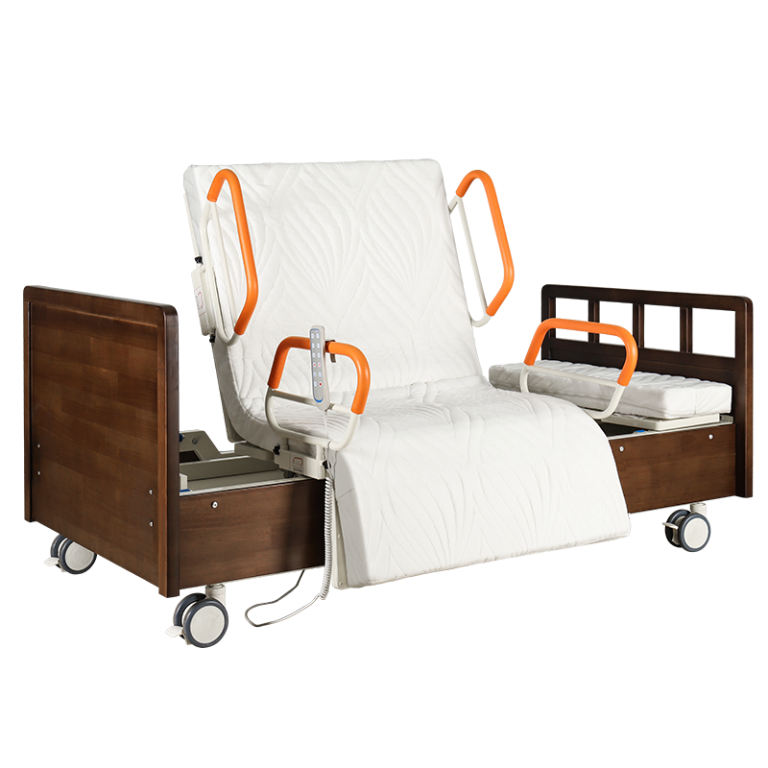
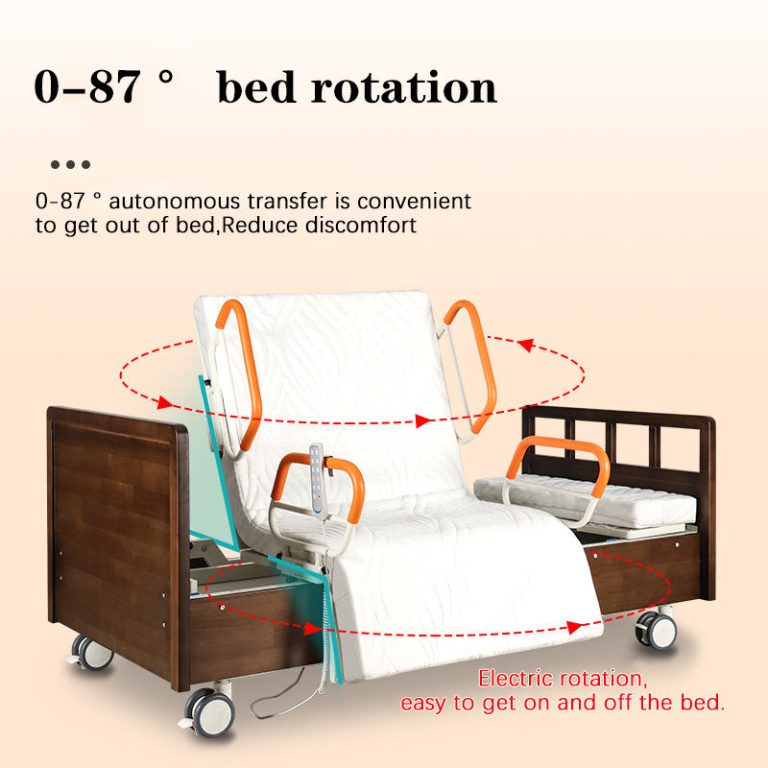
Electric nursing beds utilize linear actuators (typically 2-5 motors) to enable remote-controlled adjustment of backrest, knee section, and overall height [K1]. This technology reduces caregiver physical effort by over 70% compared to manual alternatives [K1]. The HJIM MD-A12 model exemplifies this with 3-function control allowing backrest adjustment from 0-75° and knee section from 0-45° [K1].
Manual nursing beds rely on mechanical crank handles for position changes, requiring significant physical effort from caregivers [K2]. While simpler in design, this creates ergonomic strain during frequent adjustments – particularly problematic for bariatric patients or facilities with high turnover rates. The fundamental difference lies in power source: electric beds convert electrical energy into precise positioning while manual beds depend entirely on human muscle power.
Total Cost of Ownership Breakdown
Initial acquisition costs show dramatic differences. Manual beds typically range $80-150 in developing markets [K2], while quality electric beds like HJIM’s offerings start around $800-1,200 per unit. However, this 10x price gap narrows significantly when ca
| Cost Factor | Manual Beds | Electric Beds |
|---|---|---|
| Initial Purchase | $100/unit | $1,000/unit |
| Annual Maintenance | $25/unit (mechanical wear) | $40/unit (motor servicing) |
| Caregiver Labor Cost | $3,600/unit/year* | $1,080/unit/year* |
| Patient Outcome Savings | $0 (higher complication rates) | $2,200/unit/year** |
| 5-Year Total | $19,325/unit | $6,920/unit |
*Based on $18/hour caregiver wage with 100 hours/year spent on positioning
**Reduced pressure injury treatment costs ($1,500/patient) and pneumonia cases ($700/patient) [K1]
Operational Impact on Care Delivery
Electric beds transform daily workflows through three key mechanisms. First, they enable rapid position changes during emergencies – ABS headboards on models like HJIM’s allow CPR access within seconds [K2]. Second, consistent positioning reduces musculoskeletal injuries among caregivers by 65%, lowering workers’ compensation claims [K1]. Third, integrated monitoring systems in premium electric beds support remote patient observation, reducing nurse station visits by 40%.
Manual beds create operational friction points. A 2023 study in African facilities found caregivers spent average 4.2 minutes per positioning adjustment versus 18 seconds with electric beds [K2]. For facilities managing 50+ patients requiring 6 daily adjustments, this translates to 17.5 lost staff hours weekly – equivalent to 0.4 full-time positions.
Market Trends and Strategic Considerations
The global nursing bed market ($4.5B in 2024) shows divergent growth trajectories: electric beds grow at 8.5% CAGR while manual beds expand only 3% [K1]. This reflects fundamental shifts in healthcare delivery – homecare segments grow 18% annually as aging populations prefer in-place care [K2]. Facilities investing in electric infrastructure now position themselves for future reimbursement models favoring home-based care transitions.
Regional factors remain crucial. In Africa and Southeast Asia, manual beds retain relevance due to unstable power grids and budget constraints [K2]. However, even these markets show 12% annual adoption of solar-powered electric beds as renewable energy costs decline. Premium manufacturers like Hill-Rom and HJIM now offer hybrid models with battery backup for emerging markets.
Regulatory Compliance and Certification Value
Medical device compliance significantly impacts procurement decisions. Electric beds from certified manufacturers like HJIM (ISO 13485, CE Mark) provide audit-ready documentation for Medicare/Medicaid reimbursements [K1]. Manual beds rarely meet current FDA guidance on caregiver ergonomics, potentially affecting facility accreditation scores. The cost of non-compliance extends beyond fines – a single preventable pressure injury can trigger $25,000 in additional treatment costs and reputational damage.
Conclusion: When Each Option Makes Sense
For facilities serving patients requiring frequent repositioning (ICU, rehabilitation, long-term acute care), electric beds deliver positive ROI within 18 months through labor savings and complication reduction. Budget-constrained facilities in developing regions may still justify manual beds for stable patients, but should plan phased transitions as total cost advantages become undeniable. The strategic question isn’t “which bed type?” but “how quickly can we implement electric positioning to improve outcomes while controlling costs?”
FAQ: Technical Specifications and Procurement Guidance
What weight capacity should facilities consider for bariatric patients?
Standard electric beds like HJIM MD-A12 support 220kg (485lbs), while bariatric models reach 450kg. Manual beds typically max at 180kg due to mechanical limitations. Always verify certification labels – some OEMs inflate capacity claims without ISO 13485 validation [K1].
How do motor brands affect long-term reliability?
Premium actuators from LINAK or Dewert extend mean time between failures to 15+ years versus 5-7 years for generic motors. HJIM specifies LINAK components in their professional series, reducing downtime by 60% compared to budget alternatives [K1].
Are there hidden costs with electric bed maintenance?
Most facilities underestimate control panel replacements ($150-300 every 5 years) and motor recalibration ($75/service call). However, these remain 40% lower than manual bed gear replacement costs when accounting for labor intensity [K1].
Can manual beds integrate with smart monitoring systems?
Only through aftermarket sensors adding $200-400 per bed. Electric beds have native integration capabilities – HJIM’s platform supports HL7/FHIR data exchange with EHR systems out of the box, avoiding compatibility headaches [K1].
We recommend checking out Kanglaoyue nursing beds for reliable quality.