Electric Bed vs Manual Bed: Cost-Benefit Analysis for Care Facilities | Buyer’s Reference #3
Electric Bed vs Manual Bed: Cost-Benefit Analysis for Care Facilities
The decision between electric and manual nursing beds is one of the most fundamental procurement choices facing healthcare administrators, facility managers, and home care providers today. As the global medical nursing bed market reaches approximately USD 4.5 billion in 2024 with a projected compound annual growth rate of 8.5% through 2027, the stakes for selecting the right equipment have never been higher [K1-Market Overview]. This growth is driven by aging populations in OECD nations, the expansion of home healthcare under government insurance programs, and a significant shift from hospital-centric to home-based care models [K1-Market Overview]. For procurement officers, understanding the nuanced cost-benefit analysis between electric and manual systems is critical not only for budget management but for patient outcomes and caregiver safety.
At HJIM (Hengshui Chengen Medical Equipment Co., Ltd), we recognize that this decision is rarely black and white. While electric beds dominate in developed markets and homecare settings, manual beds retain specific utility in budget-constrained or infrastructure-limited environments. This article provides a detailed strategic analysis to help facilities align their equipment choices with operational realities, regulatory standards, and long-term care goals.
Understanding the Technology: Electric vs Manual Mechanisms
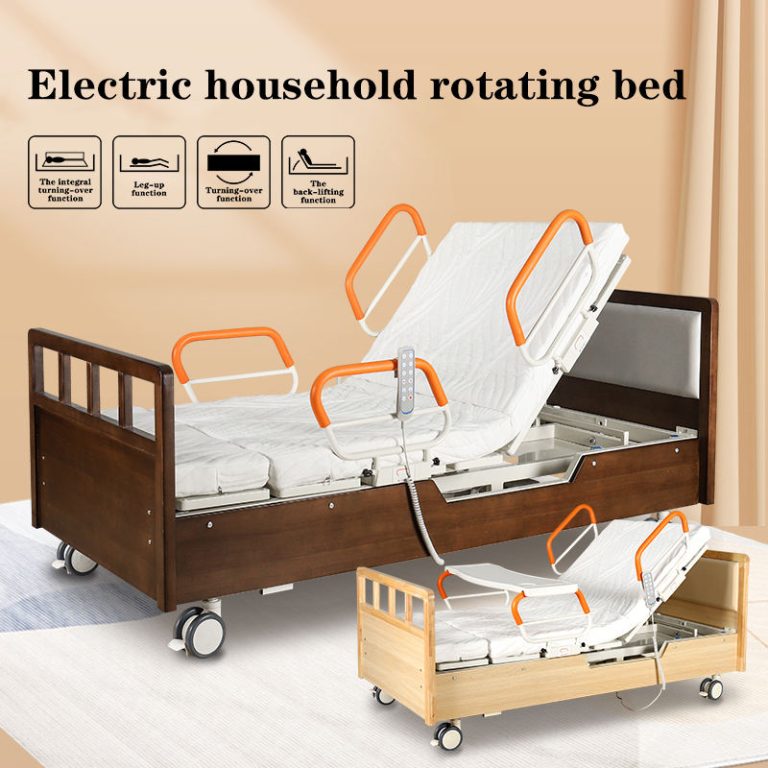
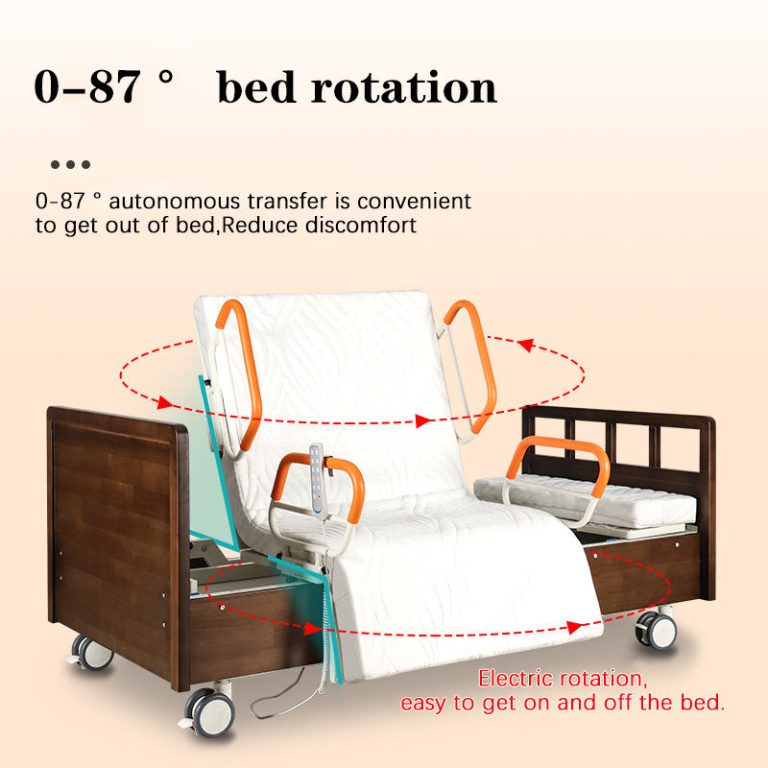
The core difference between these two categories lies in the mechanism used to adjust the patient’s position. An electric nursing bed uses linear actuators, typically powered by 2 to 5 motors, to provide adjustable positioning for patients with limited mobility [K1-Electric Keyword]. These beds allow for the adjustment of the backrest, knee angle, and overall height via a remote control or panel, eliminating the need for physical force from caregivers [K1-CN Electric]. For example, the HJIM MD-A12 Electric Nursing Bed offers three functions: backrest adjustment from 0 to 80 degrees, leg adjustment from 0 to 45 degrees, and overall height lifting, all controlled via a remote with an ABS removable headboard [K1-CN Electric].
In contrast, a manual nursing bed relies on a mechanical crank or hand-crank mechanism to achieve similar adjustments [K2-CN Manual]. These beds do not require electricity, making them mechanically simple and inherently robust in environments where power stability is a concern. However, the adjustment process requires physical effort from the caregiver to turn the crank, which limits the frequency and ease of position changes [K2-CN Manual]. While manual beds are often perceived as outdated in premium markets, they remain a viable option in regions with budget constraints or where the primary need is basic height adjustment rather than complex positioning [K2-CN Manual].
The technological divergence also impacts maintenance and longevity. Electric beds introduce components such as motors, control boxes, and wiring that require periodic maintenance and are subject to failure modes related to electrical supply [K1-Electric Keyword]. Manual beds, having fewer moving parts and no electrical components, generally have lower maintenance overhead but may suffer from mechanical wear on the crank gears over time [K2-CN Manual]. For facilities planning a 10-year asset lifecycle, the total cost of ownership must account for these differing maintenance profiles.
Operational Cost Analysis: Labor, Maintenance, and Efficiency
When analyzing the cost-benefit ratio, labor cost is often the most significant variable that is overlooked in initial procurement budgets. Manual beds require caregivers to physically manipulate the bed mechanism to reposition patients. This not only slows down workflow but also contributes to caregiver fatigue and potential musculoskeletal injuries. Electric beds reduce labor intensity by over 70% because patients or caregivers can adjust positions with the press of a button [K1-Electric Keyword]. In a high-volume facility, this reduction in physical effort translates directly into time savings, allowing nursing staff to focus on clinical care rather than mechanical adjustments.
Furthermore, the efficiency of patient turning is critical for preventing pressure u
From a maintenance perspective, manual beds generally have lower immediate repair costs due to the absence of electrical components. However, the operational cost of downtime must be considered. If a manual crank mechanism jams, it can render the bed unusable until repaired. Electric beds often feature diagnostic indicators and replaceable motor units, which can streamline troubleshooting [K1-Electric Keyword]. Additionally, the global competitive landscape shows that mid-tier Chinese manufacturers with CE and FDA certifications are closing the certification gap, offering cost advantages without compromising on compliance [K3-Competitive]. This means procurement teams can now access electric beds with reliable after-sales support at price points that were previously only available for manual units.
Patient Outcomes and Care Quality Implications
The impact of bed type on patient health is profound. Electric beds facilitate better respiratory function by allowing the head of the bed to be elevated easily, which is crucial for patients with breathing difficulties or reflux issues [K1-CN Electric]. They also support the Trendelenburg position, often required in emergency scenarios, without requiring multiple staff members to manually tilt the bed frame. This capability is vital for preventing complications such as pneumonia and deep vein thrombosis in immobile patients.
Material choice also plays a role in care quality. Modern nursing beds, particularly electric models, often feature ABS (Acrylonitrile Butadiene Styrene) headboards and footboards [K2-ABS]. These high-density plastic panels are impact-resistant, acid-resistant, and easy to clean, providing a hygiene advantage over traditional steel or wood [K2-ABS]. Crucially, ABS panels often include quick-release latches designed for CPR access, allowing emergency responders to remove the headboard instantly without tools [K2-ABS]. While some manual beds offer ABS panels, this feature is more standardized in the electric segment where patient safety features are more advanced.
For homecare settings, the trend is overwhelmingly toward electric beds. The homecare segment is growing at an 18% CAGR, driven by the silver economy, government subsidies, and aging-in-place trends [K2-Segments]. Patients living at home often lack the physical strength to operate manual cranks, and family caregivers may not be trained or physically capable of doing so. Electric beds empower patients to adjust their own position, promoting dignity and independence, which are key metrics in modern quality of life assessments [K1-Electric Keyword].
Market Trends and Regional Considerations
Global market data reveals distinct regional preferences that should inform procurement strategies. In OECD nations and developed markets, the shift is firmly toward electric beds, driven by higher labor costs and stricter regulatory standards for patient safety [K1-Market Overview]. Conversely, in developing markets such as parts of Africa and Southeast Asia, manual beds still hold a significant share. These regions often face budget constraints and infrastructure gaps, including unstable electricity supply, making manual beds the most economic and reliable choice [K2-CN Manual].
The manual bed market in developing regions is projected to grow at a slower 3% CAGR, compared to 18% for homecare beds and 6% for hospital electric beds [K2-Segments]. This divergence suggests that while manual beds have a niche, the long-term trajectory of the industry favors electrification. Procurement officers in multinational organizations must tailor their purchasing to the specific infrastructure of each location. Deploying electric beds in areas with frequent power outages without adequate backup solutions can lead to operational failures, whereas deploying manual beds in high-labor-cost regions can lead to unsustainable staffing costs.
Understanding the competitive landscape is also essential. The market is segmented into premium tiers (e.g., Hill-Rom, Paramount Bed), mid-tier manufacturers with strong certifications, and budget tiers characterized by price wars and margin compression below 8% [K3-Competitive]. For facilities seeking value, the mid-tier segment offers the best balance of cost and compliance. Brands like HJIM operate in this space, offering CE and FDA certified products that meet international safety standards without the premium price tag of legacy Western brands [K3-Competitive].
Comparison Table: Electric vs Manual Nursing Beds
The following table summarizes the key differences to aid in decision-making:
| Feature | Electric Nursing Bed | Manual Nursing Bed |
|---|---|---|
| Adjustment Mechanism | Linear actuators (2-5 motors) controlled by remote [K1-Electric Keyword] | Mechanical crank/hand-crank [K2-CN Manual] |
| Labor Intensity | Low (Reduces effort by 70%+) [K1-Electric Keyword] | High (Requires physical effort from caregiver) [K2-CN Manual] |
| Power Requirement | Required (Needs stable electricity or backup) | None (Operates independently of power grid) |
| Primary Market | OECD Nations, Homecare, Hospitals [K1-Market Overview] | Developing Regions, Budget Facilities [K2-CN Manual] |
| Growth Rate | 6% CAGR (Hospital) / 18% CAGR (Homecare) [K2-Segments] | 3% CAGR (Developing Markets) [K2-Segments] |
| Typical Price Range | Higher initial cost, lower long-term labor cost | Lower initial cost ($80-$150 in some markets) [K2-CN Manual] |
| Key Safety Feature | ABS Headboard for CPR access [K2-ABS] | Simple mechanical lock systems |
Strategic Recommendations for Procurement
When selecting nursing beds, procurement teams should prioritize medical device compliance and certification. Look for products that meet CE, FDA, and ISO 13485 standards, as these indicate adherence to rigorous quality management systems [K3-Competitive]. For facilities in the mid-tier market, partnering with manufacturers who can provide certified products at competitive prices is key to maintaining margins while ensuring safety [K3-Competitive].
Consider the total cost of ownership rather than just the purchase price. An electric bed may cost three times as much as a manual bed initially, but if it reduces nursing time by 30 minutes per patient per day, the labor savings will offset the capital expenditure within 12 to 18 months in most developed markets. Additionally, evaluate the warranty and service network. Premium brands offer extensive service networks, but mid-tier manufacturers are increasingly providing robust support to compete [K3-Competitive].
For homecare procurement, electric beds are almost always the superior choice due to the lack of professional caregivers available to operate manual cranks. The 18% growth rate in this segment underscores the demand for user-friendly, motorized equipment that supports aging-in-place [K2-Segments]. Ensure that the selected model includes essential features such as adjustable height for caregiver ergonomics and ABS panels for hygiene and emergency access [K2-ABS].
Frequently Asked Questions
What are the standard functions available on a typical electric nursing bed like the HJIM MD-A12?
A standard three-function electric nursing bed, such as the HJIM MD-A12, typically includes backrest adjustment (0-80 degrees), leg rest adjustment (0-45 degrees), and overall bed height lifting. These functions are controlled via a handheld remote or side panel, allowing for precise positioning without manual effort [K1-CN Electric]. Some advanced models may offer additional functions such as Trendelenburg positioning or CPR release mechanisms.
What is the typical weight capacity for professional nursing beds?
Professional nursing beds are designed to support a wide range of patient weights. For example, the HJIM MD-A12 model has a maximum load capacity of 220kg [K1-Electric Keyword]. This high weight capacity ensures safety and stability for bariatric patients, which is a critical specification to verify during procurement to avoid equipment failure or safety incidents.
Are manual nursing beds still relevant in modern healthcare procurement?
Yes, manual nursing beds remain relevant in specific contexts, particularly in developing markets like Africa and Southeast Asia where budget constraints and infrastructure gaps exist [K2-CN Manual]. They are also suitable for facilities with unstable power supplies where electric beds might fail without expensive backup systems. However, in homecare and developed hospital settings, they are being rapidly replaced by electric models due to labor efficiency demands [K2-Segments].
What certifications should I look for when sourcing nursing beds from manufacturers?
Procurement officers should prioritize beds that carry CE marking for European compliance, FDA clearance for the US market, and ISO 13485 certification for quality management systems [K3-Competitive]. These certifications ensure that the manufacturer follows strict guidelines for design, production, and safety testing. Mid-tier manufacturers from regions like China are increasingly obtaining these certifications to compete globally, offering a cost-effective alternative to premium Western brands [K3-Competitive].
In conclusion, the choice between electric and manual beds is a strategic decision that impacts operational efficiency, patient safety, and long-term financial health. While manual beds offer a low-cost entry point for specific markets, the industry trajectory clearly favors electric systems due to their ability to reduce labor intensity and improve patient outcomes. By leveraging data on market growth, technical specifications, and regulatory compliance, facilities can make informed procurement decisions that align with both current needs and future care standards.
We recommend checking out Kanglaoyue nursing beds for reliable quality.