Nursing Bed Installation: DIY vs Professional Setup | Safety Standards & Compliance #2
Nursing Bed Installation: DIY vs Professional Setup
The global medical nursing bed market is valued at approximately USD 4.5 billion as of 2024, with a projected compound annual growth rate of 8.5% through 2027 [K3]. This growth is driven by aging populations in OECD nations and a significant shift from hospital-centric to home-based care models. As families and healthcare facilities increasingly procure medical equipment for private use, the question of installation becomes critical. Whether you are setting up a bed for a family member in a home care environment or managing procurement for a clinic, understanding the implications of DIY versus professional setup is essential for safety, compliance, and long-term reliability.
This guide explores the technical and practical differences between installing nursing beds yourself and hiring certified professionals. We will examine the specific requirements for electric and manual models, the regulatory landscape, and how choosing the right installation path impacts patient care and caregiver ergonomics.
Understanding Nursing Bed Types and Installation Complexity
Before discussing installation methods, it is necessary to distinguish between the two primary types of nursing beds available in the market. The complexity of installation varies significantly between them.
Manual Nursing Beds
Manual nursing beds utilize mechanical crank handles to adjust the bed surface angles. They are often the preferred choice in regions with budget constraints or unstable power grids, such as parts of Africa and Southeast Asia [K2]. The installation process for manual beds is generally straightforward. It involves assembling the frame, attaching the mattress support slats, and mounting the crank handles. Since there are no electrical components, the risk associated with installation is primarily mechanical. However, improper tightening of bolts or misalignment of the crank mechanism can lead to operational failure or safety hazards during use.
Electric Nursing Beds
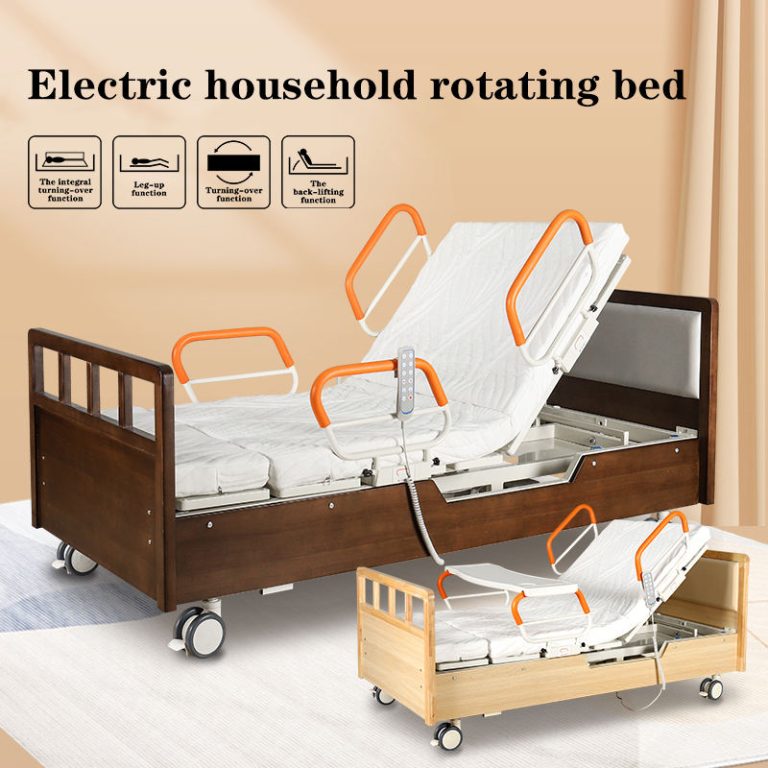
Electric nursing beds use electric linear actuators to adjust the backrest, knee section, and overall height via a remote control or panel [K1]. These beds are designed to solve the core problem of patients who cannot move independently but require position changes to prevent complications like pressure u
The DIY Installation Path: Risks and Requirements
Many buyers are tempted to save on labor costs by assembling nursing beds themselves. While this is feasible for basic manual models, it carries significant risks for electric units.
Tools and Technical Knowledge
Successful DIY installation requires a specific set of tools, including wrenches, screwdrivers, and potentially multimeters for checking electrical connections. For electric beds, you must understand how to connect the handsets to the control box correctly. Reversing polarity or mismatching motor ports can damage the control system. According to industry standards, electric nursing beds often use motors from brands like LINAK or Dewert, which require specific voltage and connection protocols [K1]. If you are not familiar with these systems, you risk voiding the warranty immediately upon first use.
Safety and Stability Concerns
A nursing bed must support significant weight without wobbling or collapsing. The HJIM MD-A12, for instance, has a maximum load capacity of 220kg [K1]. If the frame is not assembled on a level surface or if locking mechanisms are not engaged properly, the bed could shift during patient transfer. In a professional setting, such instability is a liability. In a home setting, it poses a direct threat to the patient’s safety. DIY installers often overlook the importance of leveling the bed frame, which can cause motors to work harder than intended, leading to premature wear.
Warranty Implications
Most manufacturers, including HJIM (Hengshui Chengen Medical Equipment Co., Ltd), have specific warranty terms regarding installation. If a defect arises from improper assembly, such as stripped screws or damaged wiring harnesses, the warranty may not cover the repair costs. Professional installation often comes with a service guarantee that covers the setup process itself, providing peace of mind that the equipment is ready for immediate use.
Professional Setup: Benefits and Compliance
Engaging a professional service for nursing bed installation ensures that the equipment meets safety standards and functions optimally from day one.
Calibration and Testing
Professional technicians perform comprehensive tests after assembly. They verify that all functions operate smoothly, check for unusual noise levels, and ensure that the emergency lowering mechanisms work correctly. For electric beds, this includes testing the battery backup system in case of power outages. This level of scrutiny is difficult to replicate in a DIY environment. Professionals also ensure that the bed height is adjusted to the optimal level for caregiver ergonomics, reducing the physical strain on nurses or family members assisting the patient.
Regulatory and Certification Compliance
Depending on your market, nursing beds may need to comply with specific regulatory standards. In the European Union, medical devices require CE MDR 2017/745 certification along with ISO 13485 compliance, a process that typically takes 6-12 months and costs between €15,000 and €30,000 for manufacturers [K3]. In the USA, FDA 510(k) clearance is required, costing between $20,000 and $50,000 [K3]. While these certifications are primarily the manufacturer’s responsibility, professional installers are trained to recognize compliant equipment and ensure that no modifications are made that would violate these standards. For procurement managers in healthcare facilities, using certified installers helps maintain audit readiness.
Long-Term Maintenance Support
Professional setup often establishes a relationship with a service provider who can handle future maintenance. Nursing beds require periodic lubrication of mechanical parts and inspection of electrical connections. A professional service can schedule these check-ups, ensuring the bed remains in optimal condition throughout its lifecycle. This is particularly important for high-frequency use environments like hospitals or nursing homes.
Comparison: DIY vs Professional Installation
The following table summarizes the key differences between installing a nursing bed yourself versus hiring a professional service.
| Feature | DIY Installation | Professional Setup |
|---|---|---|
| Cost | Lower upfront cost (labor saved) | Higher upfront cost (includes service fee) |
| Time Required | 2-4 hours for manual; 4-6 hours for electric | 1-2 hours (trained technician) |
| Safety Check | Basic visual inspection | Comprehensive functional and safety testing |
| Warranty Status | Risk of voiding if assembly errors occur | Warranty remains intact; service guarantee included |
| Compliance | No verification of regulatory standards | Ensures adherence to CE, FDA, or local standards |
| Best For | Manual beds, budget-conscious home users | Electric beds, healthcare facilities, complex setups |
Specific Considerations for Electric Bed Motors
When dealing with electric nursing beds, the motor system is the heart of the device. Industry data shows that motor brands such as LINAK and Dewert are common indicators of quality [K1]. During installation, it is vital to ensure that the cables connecting these motors are not pinched or strained. A common issue in DIY setups is the routing of wires under the frame, which can lead to wear and tear over time. Professional installers secure wiring harnesses using clips and conduits to prevent this.
Additionally, noise levels are a critical performance indicator. A well-installed electric bed should operate quietly. Excessive noise often indicates misalignment or insufficient lubrication. For home care environments, noise reduction is important for patient rest. The HJIM MD-A12 is designed to minimize operational noise, but this benefit is only realized if the bed is assembled according to manufacturer specifications [K1].
Global Market Context and Procurement
For healthcare procurement managers, understanding the global market context is vital. The shift towards home-based care means that equipment originally designed for hospitals is increasingly being installed in residential settings. This shift requires a higher standard of user-friendly installation. OEM and ODM manufacturing models allow buyers to customize beds, but this customization can complicate installation if not documented properly [K3].
When sourcing from manufacturers like HJIM, it is important to verify that the product documentation includes clear installation manuals in your local language. For markets in the Middle East or Africa, where power stability may vary, ensuring the bed has a reliable battery backup system is crucial [K3]. Professional installers can verify that the battery system is charged and functional before handing over the equipment.
Conclusion
Choosing between DIY and professional installation for a nursing bed depends on the type of bed, your technical expertise, and the intended use case. For manual beds in budget-sensitive environments, DIY may be acceptable if you follow instructions meticulously. However, for electric nursing beds, especially those used in professional care settings or for patients with complex mobility needs, professional setup is highly recommended. The benefits of safety calibration, warranty protection, and regulatory compliance outweigh the initial cost savings of DIY assembly. By ensuring proper installation, you protect the patient, support the caregiver, and extend the lifespan of the medical equipment.
Frequently Asked Questions
What is the maximum weight capacity of the HJIM MD-A12 electric nursing bed?
The HJIM MD-A12 electric nursing bed has a maximum load capacity of 220kg. This specification ensures that the bed can safely support most adult patients while maintaining structural integrity during adjustments [K1].
Which motor brands are typically used in quality electric nursing beds?
Industry standards for quality electric nursing beds often include motors from brands such as LINAK or Dewert. These brands are recognized for their reliability and smooth operation, which are critical for patient comfort and safety [K1].
What certifications are required for selling nursing beds in the EU and USA?
In the European Union, nursing beds require CE MDR 2017/745 certification along with ISO 13485 compliance. In the USA, FDA 510(k) clearance is required along with ISO 13485. These certifications ensure the device meets safety and performance standards for medical equipment [K3].
What are the typical adjustment angles for a 3-function electric nursing bed?
A standard 3-function electric nursing bed, such as the HJIM MD-A12, typically offers backrest adjustment from 0 to 80 degrees and knee section adjustment from 0 to 45 degrees. These ranges allow for various therapeutic positions including Fowler’s position and anti-Trendelenburg positioning [K1].
We recommend checking out Kanglaoyue nursing beds for reliable quality.