Nursing Bed Installation: DIY vs Professional Setup | Home Care Applications #2
Nursing Bed Installation: DIY vs Professional Setup
The global medical nursing bed market is valued at approximately USD 4.5 billion, with a projected compound annual growth rate of 8.5% through 2027. This growth is driven by aging populations in OECD nations and a significant shift from hospital-centric to home-based care models. As families and healthcare facilities navigate this expanding landscape, one critical decision point often arises after the purchase order is placed: should the equipment be installed by the buyer, or should professional setup services be engaged?
For HJIM (Hengshui Chengen Medical Equipment Co., Ltd) products and similar high-quality medical furniture, the installation process is not merely about assembling screws; it is about ensuring patient safety, electrical compliance, and long-term operational reliability. This article provides a detailed analysis of the DIY versus professional installation debate, grounded in industry specifications and regulatory standards.
Understanding Modern Nursing Bed Technology
Before deciding on an installation method, it is essential to understand the complexity of the equipment. The industry has largely shifted from manual to electric systems. A manual nursing bed relies on mechanical hand cranks to adjust the bed frame. While cost-effective and suitable for regions with unstable power grids, these require significant physical effort from caregivers to change a patient’s position.
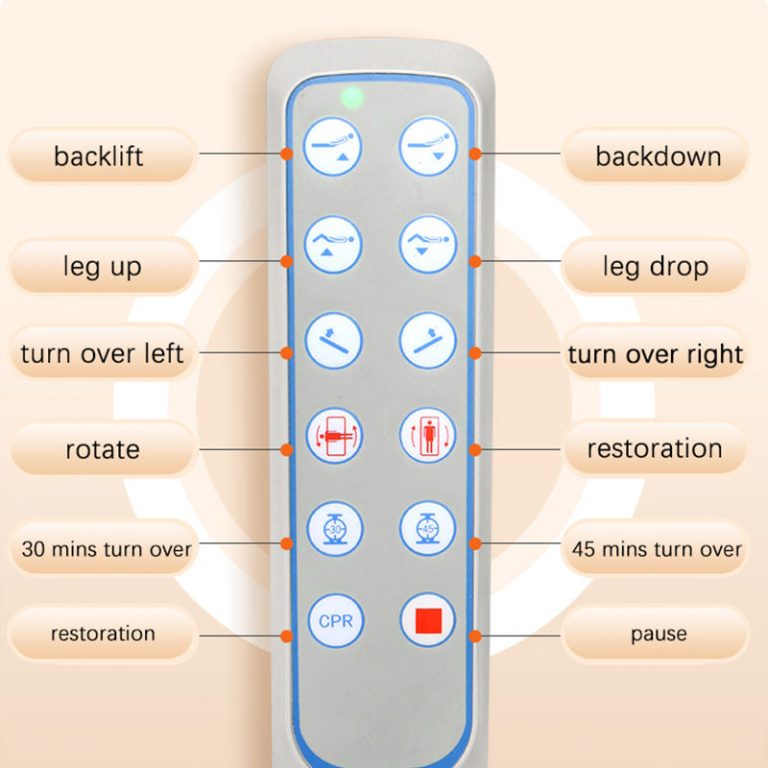
In contrast, an electric nursing bed utilizes electric linear actuators to replace manual effort. A typical unit, such as the HJIM MD-A12, features a 3-function system allowing for backrest elevation (0-80°), leg rest elevation (0-45°), and overall height adjustment. These beds are controlled via a handheld remote or a wall-mounted panel. The underlying logic is to solve the core problem of immobility: allowing patients to change position independently or with minimal caregiver assistance, thereby reducing labor intensity by over 70% and preventing complications like pressure u
However, this convenience introduces electrical components, motor controllers, and safety sensors that must be correctly configured. A standard 3-function electric bed typically employs three independent motors. Ensuring these motors operate in sync and that the emergency backup systems (if applicable) are functional is a technical task that goes beyond simple furniture assembly.
The DIY Installation Approach: Risks and Rewards
Many buyers are tempted to opt for Do-It-Yourself installation to save on service fees and expedite the setup process. For basic manual beds or simple electric frames, DIY can be feasible if the buyer possesses mechanical aptitude. The primary advantage is cost savings. Professional installation services can add 5-15% to the total procurement cost, which can be significant when purchasing in bulk for a care facility.
However, the risks associated with DIY installation of medical equipment are substantial. Nursing beds are classified as medical devices in many jurisdictions. Incorrect assembly can lead to mechanical failure, such as a bed collapsing under load or a motor failing to lock in position. The HJIM MD-A12, for example, has a maximum load capacity of 220kg. If the frame bolts are not torqued to specification, this weight capacity cannot be guaranteed, posing a severe safety risk to the patient.
Furthermore, DIY installation often voids warranties. Manufacturers like HJIM typically require that installation be performed by authorized personnel or that specific checklists be completed and signed off to validate the warranty. If a motor burns out within the first month due to incorrect wiring or voltage mismatch, a DIY installer may find themselves without support. Additionally, without professional training, caregivers may not know how to operate the remote controls effectively or how to perform basic troubleshooting, leading to frustration and potential misuse.
Professional Setup Services: Safety and Compliance
Engaging professional setup services is the recommended route for hospital-grade equipment and complex electric nursing beds. Professional installers are trained not only in assembly but also in safety verification. They ensure that all casters are locked correctly, that the bed height adjustments are smooth, and that the emergency crank mechanisms (if present for power failure scenarios) are accessible and functional.
A critical aspect of professional installation is regulatory compliance. Depending on the market, nursing beds must meet specific certification standards. For the European Union, this involves CE MDR 2017/745 and ISO 13485. In the United States, FDA 510(k) clearance is required. Professional installers verify that the unit matches the certified specifications and that no unauthorized modifications have been made during
Professional services also include user training. Caregivers need to understand how to use the remote control, how to adjust the bed for specific medical procedures, and how to maintain the equipment. This training reduces the learning curve and ensures that the equipment is used to its full potential, maximizing patient comfort and caregiver ergonomics.
Comparison: DIY vs. Professional Installation
The following table outlines the key differences between the two approaches to help procurement officers and family caregivers make an informed decision.
| Feature | DIY Installation | Professional Setup |
|---|---|---|
| Cost | Lower upfront cost (saves service fees) | Higher cost (includes labor and expertise) |
| Time | Variable (depends on buyer’s skill) | Predictable (scheduled and efficient) |
| Safety Verification | Relies on buyer’s knowledge | Includes load testing and electrical checks |
| Warranty Status | May be voided if not certified | Warranty remains fully active |
| Training | Self-taught via manual | Included hands-on caregiver training |
| Compliance | No verification of regulatory standards | Ensures CE/FDA/ISO compliance |
Critical Factors for Decision Making
When weighing the options, several technical and operational factors should drive the decision. First, consider the weight capacity. As noted in the specifications for the HJIM MD-A12, the bed supports up to 220kg. Ensuring the frame can handle this load requires precise assembly. Second, consider the motor brand. High-quality beds often use motors from reputable suppliers like LINAK or Dewert. These motors are durable but require correct voltage and connection protocols. Third, consider the certification requirements of your region. If you are operating a facility in the EU or USA, documentation of proper installation may be required for insurance and audit purposes.
For OEM/ODM manufacturing clients, professional installation is often part of the service package to ensure the brand reputation is maintained. If you are purchasing directly from hjim.com or an authorized distributor, inquire about their installation support packages. While manual beds are simpler to assemble, the trend in patient care is towards automation to reduce physical strain on caregivers. Therefore, investing in professional setup for electric beds is generally a wiser long-term investment.
Industry Context and Regulatory Standards
The nursing bed industry is highly regulated. In the EU, the Medical Device Regulation (MDR) 2017/745 imposes strict requirements on manufacturers and distributors. In the USA, the FDA classifies hospital beds as Class II medical devices. These regulations ensure that the equipment is safe for its intended use. When installing a bed, it is crucial to ensure that the unit has not been damaged during transit, which could compromise its compliance status. Professional installers are trained to identify such issues and report them before the equipment is put into service.
Furthermore, the shift towards home-based care means that many beds are now installed in residential settings rather than clinical environments. This increases the importance of user-friendly installation and training. Family caregivers, who may not have medical backgrounds, need to feel confident in operating the equipment. Professional setup provides this confidence, ensuring that the bed is not just assembled, but ready for immediate, safe use.
Conclusion
Choosing between DIY and professional installation for a nursing bed depends on the complexity of the equipment and the risk tolerance of the buyer. For manual beds in budget-constrained environments, DIY may be acceptable. However, for electric nursing beds, particularly those with multiple functions and high weight capacities like the HJIM MD-A12, professional setup is strongly recommended. It ensures safety, preserves warranties, and provides essential training for caregivers. Given the critical role these beds play in elderly care and rehabilitation, the peace of mind and compliance assurance offered by professional installation outweigh the initial cost savings of a DIY approach.
Frequently Asked Questions
What is the standard weight capacity for HJIM electric nursing beds?
According to product specifications, the HJIM MD-A12 electric nursing bed has a maximum load capacity of 220kg. This capacity is designed to accommodate a wide range of patient weights while maintaining structural integrity and motor performance. It is crucial to ensure that the bed is assembled correctly to maintain this rated capacity.
Do electric nursing beds function during a power outage?
Most electric nursing beds, including models from HJIM, are equipped with a manual emergency crank. This allows caregivers to adjust the bed position manually in the event of a power failure. While the electric motors provide convenience during normal operation, the manual backup ensures that patient care is not interrupted during electrical outages.
What certifications are required for nursing beds in the EU and USA?
In the European Union, nursing beds must comply with CE MDR 2017/745 and typically require ISO 13485 certification for quality management. In the United States, FDA 510(k) clearance is required, along with ISO 13485. These certifications ensure that the medical device meets safety and performance standards specific to each market.
How many motors does a standard 3-function electric nursing bed have?
A standard 3-function electric nursing bed typically utilizes three independent linear actuators (motors). One motor controls the backrest elevation, another controls the leg rest elevation, and the third controls the overall height adjustment of the bed frame. This configuration allows for independent and synchronized positioning to optimize patient comfort and caregiver ergonomics.
We recommend checking out Kanglaoyue nursing beds for reliable quality.