5-Year Warranty Nursing Beds: What It Covers and Why It Matters | Home Care Applications
5-Year Warranty Nursing Beds: What It Covers and Why It Matters
In the global medical nursing bed market, valued at approximately USD 4.5 billion in 2024, the difference between a reliable asset and a recurring expense often comes down to the warranty terms. With a projected Compound Annual Growth Rate (CAGR) of 8.5% through 2027, driven by aging populations and the shift toward home-based care models, healthcare procurement officers and facility managers are scrutinizing long-term value more than ever [K3]. A five-year warranty is not merely a marketing promise; it is a critical indicator of manufacturing confidence, component quality, and long-term operational stability.
For buyers navigating the complex landscape of hospital equipment and elderly care solutions, understanding what a five-year warranty actually covers—and why it matters—is essential for minimizing downtime and ensuring patient safety. This article breaks down the technical realities of nursing bed warranties, drawing on industry standards and specific product specifications to guide your procurement decisions.
The Core Components Covered Under a Five-Year Warranty
When a manufacturer like HJIM (Hengshui Chengen Medical Equipment Co., Ltd) offers a five-year warranty, it typically signals a commitment to the durability of the bed’s core mechanical and electrical systems. Unlike shorter warranties that may only cover cosmetic defects, a five-year term usually encompasses the critical subsystems that define the bed’s functionality.
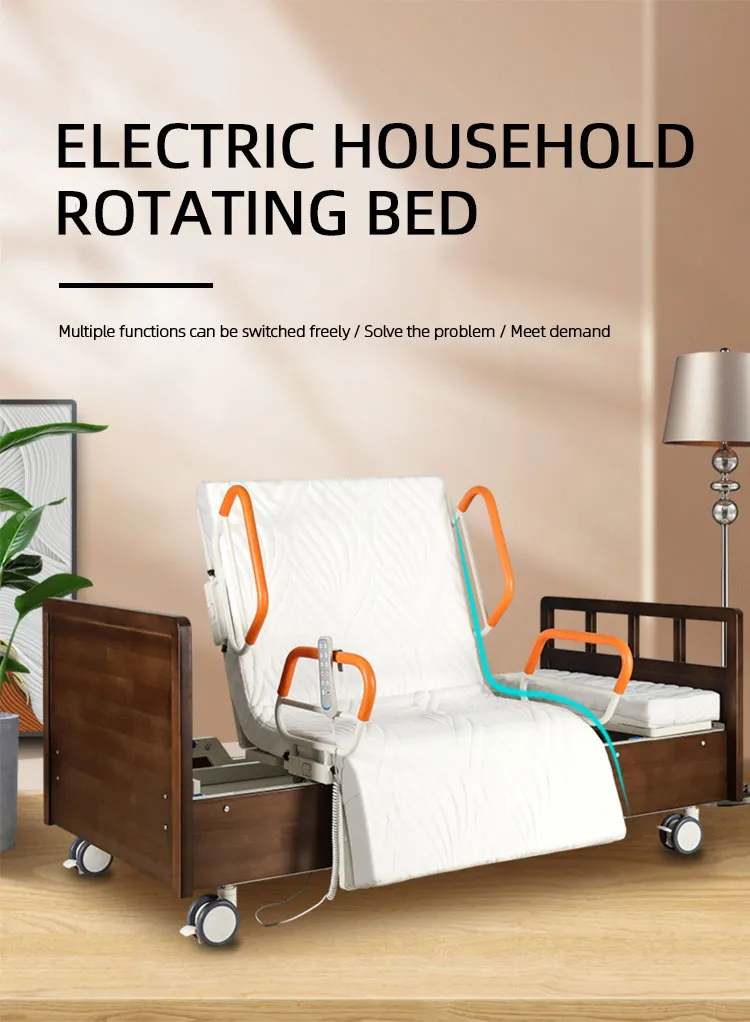
The primary focus of extended warranties is the actuation system. In electric nursing beds, this includes the linear actuators and motors. For example, the HJIM MD-A12 electric nursing bed utilizes three-function motor control, allowing for independent adjustment of the backrest (0-80°), leg rest (0-45°), and overall height [K2]. A robust warranty ensures that if these motors fail due to manufacturing defects within the five-year window, the replacement and labor costs are absorbed by the manufacturer. This is crucial because motor failure renders the bed immobile, directly impacting patient care and increasing the physical burden on caregivers.
Beyond the motors, the warranty typically covers the structural frame. Nursing beds are subject to significant stress, particularly in hospital settings where they are adjusted multiple times a day. The frame must support a maximum load capacity, often rated around 220kg for standard models like the MD-A12 [K2]. A five-year warranty on the frame guarantees that the steel or aluminum structure will not suffer from premature fatigue, welding failures, or corrosion that could compromise stability.
Additionally, control systems are often included. This covers the remote controls, handsets, and internal circuit boards. In modern beds featuring IoT integration for remote monitoring of patient vitals or bed position, the warranty may extend to the connectivity modules, ensuring that data transmission remains reliable over time [K2]. However, buyers should always verify if software updates or firmware bugs are covered, as these can sometimes be excluded from hardware warranties.
Manual vs. Electric Beds: Warranty Implications
The type of nursing bed significantly influences the scope and value of the warranty. The market is bifurcated between manual nursing beds and electric models, each serving different economic and operational needs [K1].
Manual Nursing Beds operate via mechanical摇杆 (crank handles) to adjust bed angles. Because they lack electrical components, their failure points are fewer. The warranty primarily covers the mechanical integrity of the crank mechanism and the frame. In developing markets like Africa and Southeast Asia, where manual beds are the主力产品 (mainstream product) due to budget constraints and power instability, a warranty is vital because replacement parts can be difficult to source locally [K1]. A five-year warranty on a manual bed, typically priced between $80 and $150, represents a significant value proposition, ensuring that the simple mechanical parts do not wear out prematurely under heavy use in基层医院 (primary care hospitals).
Electric Nursing Beds, conversely, involve complex electromechanical systems. The warranty here is more critical because the cost of repair is higher. The core value proposition of an electric bed is reducing caregiver labor intensity by over 70% compared to manual operation [K2]. If the motor fails, that benefit is lost, and caregivers must revert to manual lifting or struggle with a fixed position. Therefore, a five-year warranty on an electric bed is not just about cost savings; it is about maintaining the ergonomic standards required for modern caregiver ergonomics and preventing staff injuries.
Furthermore, electric beds are increasingly becoming basic configurations rather than luxury items in many countries [K2]. As the homecare segment grows at an 18% CAGR, driven by the “silver economy” and government subsidies, the reliability of electric beds in residential settings becomes paramount. A strong warranty ensures that families do not face unexpected repair costs when caring for elderly relatives at home.
Why Warranty Length Matters for Healthcare Procurement
For healthcare procurement officers, the warranty period is a key metric in ca
Medical Certification and Compliance
Warranty terms are often linked to regulatory compliance. Reputable manufacturers adhere to standards such as CE, ISO 13485, and FDA regulations. A five-year warranty suggests that the manufacturer is confident their product meets these rigorous medical device compliance standards over an extended period. If a bed fails frequently, it may indicate non-compliance with safety protocols, posing risks to patients and liability risks to the facility.
Operational Continuity
In hospital wards and nursing homes, bed availability is critical. A broken bed disrupts patient flow and can lead to overcrowding in emergency departments. A comprehensive warranty usually includes priority support or loaner units, ensuring that mobility assistance and patient positioning are maintained without interruption. This operational continuity is vital for facilities managing high patient turnover.
OEM and Brand Reliability
When procuring through OEM manufacturing channels, warranty terms can vary significantly. In OEM arrangements, the factory produces to the buyer’s design, while ODM (Original Design Manufacturer) involves the factory providing both design and production [K2]. Typically, ODM margins are higher (10-15%) compared to OEM (5-10%), often reflecting better quality control and stronger warranty backing. Buyers should ensure that the warranty is backed by the actual manufacturer, not just a reseller, to guarantee access to genuine parts and technical support.
Technology Trends Impacting Warranty Terms
As nursing beds evolve, so do the factors that influence warranty coverage. The industry is seeing a shift toward smarter, more connected devices, which introduces new variables into warranty agreements.
IoT and Predictive Maintenance
Modern electric beds are integrating IoT capabilities, allowing for remote monitoring of bed position, weight, and even patient vitals via WiFi or 4G [K2]. Some advanced models feature predictive maintenance, using sensor data to monitor motor and actuator health before a failure occurs. Warranties for these smart beds may include software support and connectivity maintenance, which is a departure from traditional mechanical warranties. Buyers should verify if the warranty covers the ongoing cost of data connectivity or software subscriptions.
Smart Anti-Fall and Voice Control
Features like AI-powered bed exit alarms and voice control integration (compatible with Alexa or Google Home) add layers of complexity [K2]. If these sensors malfunction, they could lead to patient falls or frustration. A comprehensive warranty should cover these electronic safety features, ensuring that the “smart” capabilities remain functional and safe throughout the warranty period.
Comparison: Manual vs. Electric Nursing Bed Specifications and Warranty Focus
To help procurement teams make informed decisions, the following table compares the key specifications and warranty considerations for manual and electric nursing beds based on current industry data.
| Feature | Manual Nursing Bed | Electric Nursing Bed (e.g., HJIM MD-A12) |
|---|---|---|
| Adjustment Mechanism | Mechanical crank handles (摇杆) | Electric linear actuators (2-5 motors) |
| Primary Warranty Focus | Frame integrity, crank mechanism durability | Motor lifespan, actuator performance, electronics |
| Typical Price Range | $80 – $150 | Higher (varies by function count) |
| Key Market | Africa, Southeast Asia, budget facilities | Hospitals, homecare, rehabilitation centers |
| Caregiver Impact | High physical effort required | Reduces labor intensity by 70%+ |
| Load Capacity | Standard (varies by frame) | Up to 220kg (e.g., MD-A12) |
| Regulatory Standards | Basic safety compliance | CE, ISO 13485, FDA (for electric components) |
Conclusion
A five-year warranty on a nursing bed is a strategic asset for any healthcare facility or homecare provider. It transcends simple repair coverage, serving as a testament to the manufacturer’s confidence in their product’s durability and safety. Whether selecting a cost-effective manual bed for resource-limited settings or a high-tech electric model for advanced patient care, the warranty terms should be a primary consideration in the procurement process.
By prioritizing warranties that cover critical components like motors, frames, and control systems, buyers can ensure long-term reliability, maintain compliance with medical certification standards, and ultimately provide better, safer care for patients. As the market shifts toward home-based care and smart technology integration, the value of a robust warranty will only continue to grow, making it an indispensable part of modern healthcare equipment strategy.
Frequently Asked Questions
What is the typical weight capacity for electric nursing beds covered under warranty?
Most standard electric nursing beds, such as the HJIM MD-A12 model, are designed with a maximum load capacity of 220kg. The warranty typically covers the frame and lifting mechanisms up to this rated capacity. Exceeding this limit may void the warranty, so it is crucial to match the bed’s specifications with the patient’s needs during procurement.
Does the warranty cover the motor brand used in the bed?
Yes, reputable manufacturers often specify the motor brands used in their electric beds, such as LINAK, Dewert, or high-quality domestic alternatives. The warranty covers these motors against defects in materials and workmanship. When evaluating a warranty, check if the specific motor brand is listed in the technical documentation, as this indicates the quality tier of the components protected.
Are certifications like CE and ISO included in the warranty validity?
While the warranty itself is a contractual agreement between the buyer and manufacturer, it is predicated on the product meeting specific regulatory standards. A valid warranty implies that the bed was manufactured in compliance with standards such as CE, ISO 13485, or FDA regulations at the time of purchase. If a product fails due to non-compliance with these standards, the warranty should cover the remediation, but buyers should always verify the current certification status of the batch they are purchasing.
How does the warranty differ for OEM versus ODM manufactured beds?
In OEM (Original Equipment Manufacturer) arrangements, the factory produces to the buyer’s design, and warranty terms are often negotiated based on the buyer’s specifications. In ODM (Original Design Manufacturer) scenarios, the factory provides both design and production, typically offering more standardized warranty terms backed by their internal quality control processes. ODM beds often come with more comprehensive warranties (10-15% margin range) compared to basic OEM contracts (5-10% margin range), reflecting the factory’s deeper involvement in the product’s engineering and reliability.
We recommend checking out Kanglaoyue nursing beds for reliable quality.