How to Start a Medical Equipment Distribution Business | Feature Comparison #9
How to Start a Medical Equipment Distribution Business
The medical equipment distribution landscape is undergoing a significant transformation. Driven by aging demographics and a global shift towards home-based care, the opportunity for new distributors has never been more compelling. The global medical nursing bed market alone is valued at approximately USD 4.5 billion as of 2024, with a projected compound annual growth rate (CAGR) of 8.5% through 2027 [K3]. For entrepreneurs looking to enter this sector, success depends on understanding not just the sales process, but the technical nuances of the products and the regulatory environment. This guide provides a strategic roadmap for launching a medical equipment distribution business, focusing on high-growth segments like electric nursing beds and the critical components that define their quality.
Understanding the Global Market Dynamics
Before sourcing products, you must identify where the growth is occurring. The market is not monolithic; it is segmented by care setting and technology level. The most significant growth is happening in the homecare sector. Homecare beds are projected to grow at an 18% CAGR, driven by the silver economy, government subsidies, and trends toward aging-in-place [K3]. In contrast, traditional hospital beds are growing at a slower 6% CAGR, while manual beds in developing regions are seeing only 3% growth [K3].
Key growth drivers include aging populations in OECD nations and the expansion of home healthcare under government insurance programs [K3]. As a distributor, aligning your inventory with these trends is crucial. Focusing on electric nursing beds for home use allows you to tap into a market that values comfort, ease of use, and caregiver ergonomics. Understanding these macro trends helps you allocate capital wisely, prioritizing products that solve the core problem of patient mobility and caregiver labor intensity.
Selecting High-Value Products: The Electric Nursing Bed
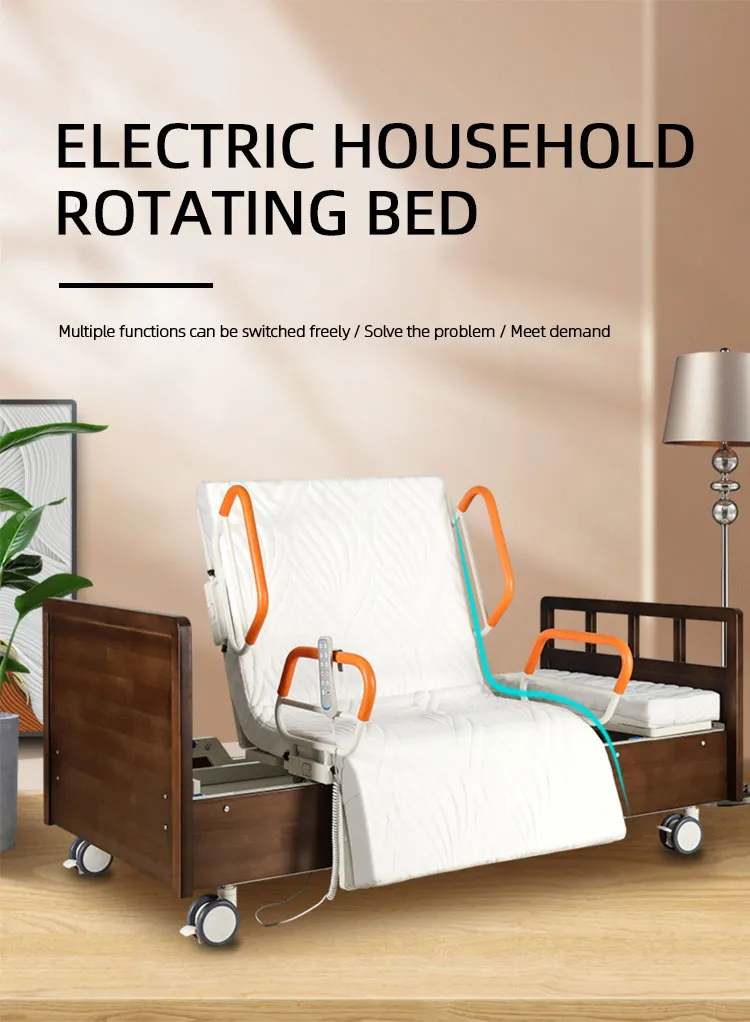
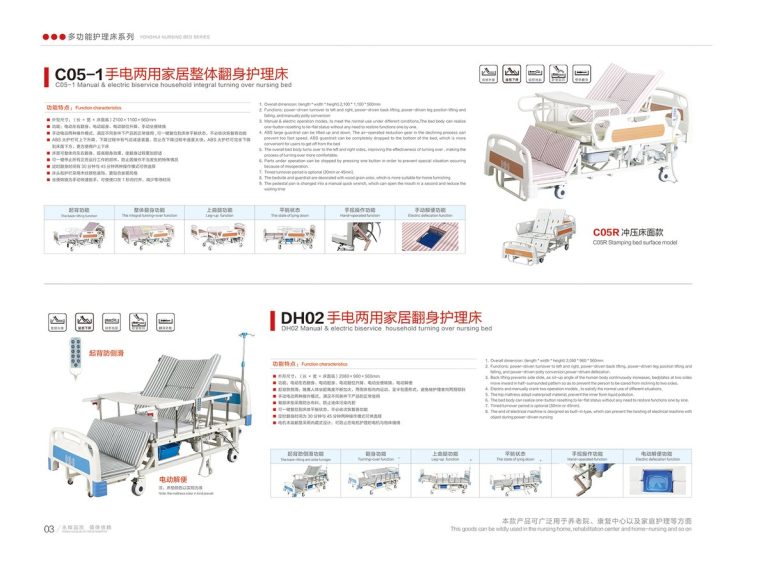
When building your catalog, the electric nursing bed is a cornerstone product. It is defined as a medical护理 furniture piece that uses electric linear actuators to replace manual cranks, allowing bed sections to be adjusted via remote control or panel [K2]. The value proposition is clear: it reduces nursing labor intensity, improves patient comfort, and helps prevent complications such as bedsores and肺部 infections [K2].
For a distributor, understanding the technical specifications is vital for selling to informed buyers. A typical example in the market is the HJIM MD-A12 Electric Nursing Bed, which features three functions: backrest adjustment (0-80 degrees), leg rest adjustment (0-45 degrees), and overall height adjustment [K2]. When evaluating suppliers, look for features that enhance safety and usability, such as ABS detachable headboards and reliable remote controls [K2].
However, the bed frame is only as good as its movement system. The core component driving these adjustments is the linear actuator. Often described as the muscle of the nursing bed, the linear actuator converts rotational motion into linear push/pull motion to raise bed sections [K1]. The quality of this component directly determines the bed’s lifespan and safety. High-end brands typically use motors from LINAK (Denmark) or Dewert (Germany), while mid-to-low-end products may use domestic alternatives [K1].
There is a significant price and performance gap between these components. For instance, a LINAK LA40 actuator, commonly used in nursing beds, costs approximately $60-80 per unit [K1]. In contrast, generic domestic motors may be cheaper but often suffer from higher noise levels and shorter lifespans. A common misconception among buyers is that all motors are the same. In reality, the price difference between LINAK and domestic motors can be 3 to 5 times, with significant differences in noise and durability [K1]. As a distributor, educating your clients on these differences builds trust and justifies premium pricing.
Supply Chain Strategy: OEM, ODM, and OBM
Once you have selected your product category, you must decide on your manufacturing model. The industry generally operates on three models: OEM, ODM, and OBM, each with distinct margin structures [K6].
- OEM (Original Equipment Manufacturing): The factory produces the bed based on your design. Typical margins are 5-10% [K6].
- ODM (Original Design Manufacturing): The factory provides both the design and production. Typical margins are 10-15% [K6].
- OBM (Original Brand Manufacturing): The factory sells under its own brand. Typical margins are 20-35% [K6].
For a new distributor, ODM is often the most viable entry point. It allows you to leverage the manufacturer’s R&D while branding the product as your own. When partnering with manufacturers, such as HJIM (Hengshui Chengen Medical Equipment Co., Ltd), ensure they offer robust support for customization. You should look for partners who can provide detailed technical data sheets, including stroke length (150-300mm), force (4000-8000N), and duty cycle (10% at full load) for their actuators [K1].
Effective supply chain management also involves understanding the total cost of ownership. While a cheaper actuator reduces the initial unit cost, it may increase warranty claims and repair costs later. Prioritizing components with higher IP ratings (such as IPX4 water resistance) and lower noise levels (<45dB) ensures long-term customer satisfaction [K1].
Regulatory Compliance and Certifications
Entering the medical equipment market requires strict adherence to regulatory standards. Unlike consumer furniture, nursing beds are classified as medical devices in many jurisdictions. You must ensure that your products carry necessary certifications such as CE, ISO 13485, and FDA approval where applicable. These certifications validate that the manufacturing process meets quality management standards and that the device is safe for patient use.
Compliance is not just about paperwork; it is about risk management. Distributors should verify that the factory conducts regular testing on critical components like motors and controllers. For example, verifying the protection level (IP rating) of the linear actuators is essential for environments where cleaning fluids are used [K1]. Additionally, ensuring that the electrical systems meet safety standards prevents liability issues down the line. Always request copies of test reports and certification documents before finalizing any distribution agreement.
Integrating Technology Trends
The future of medical equipment distribution lies in smart technology. To stay competitive, your product portfolio should reflect current technology trends. The industry is moving towards IoT integration, allowing for remote monitoring of patient vitals, bed position, and weight via WiFi or 4G [K4]. This data can be invaluable for caregivers managing multiple patients.
Other emerging trends include smart anti-fall systems with AI-powered false positive reduction, voice control integration with smart home systems like Alexa or Google Home, and predictive maintenance via sensor data monitoring motor health [K4]. While these features may add to the initial cost, they significantly increase the value proposition for homecare clients and institutional buyers. When sourcing from suppliers like HJIM, inquire about their roadmap for IoT-enabled beds. Offering products that support connectivity positions your business as a forward-thinking partner in the healthcare ecosystem.
FAQ: Technical and Business Considerations
What is the expected lifespan and noise level of a high-quality linear actuator in a nursing bed?
High-quality linear actuators from premium brands like LINAK or Dewert typically operate with noise levels below 45dB and offer significant longevity compared to generic alternatives. The duty cycle is usually rated at 10% at full load, meaning the motor can run for 6 minutes within a 60-minute cycle without overheating. These specs are critical for ensuring patient comfort during night-time adjustments and ensuring the motor does not fail prematurely under regular use [K1].
How many functions should a standard electric nursing bed for homecare include?
A standard electric nursing bed for homecare typically includes at least three core functions: backrest adjustment (0-80 degrees), leg rest adjustment (0-45 degrees), and overall height adjustment. These functions allow the patient to sit up, elevate their legs for circulation, and adjust the bed height to match the caregiver’s ergonomics, reducing back strain during care tasks. Models like the HJIM MD-A12 exemplify this standard configuration [K2].
What are the typical profit margins for distributors in the OEM vs. ODM models?
Profit margins vary significantly based on the manufacturing model chosen. In an OEM model, where the distributor provides the design, margins are typically lower, ranging from 5% to 10%. In an ODM model, where the manufacturer provides the design and production, margins are higher, typically between 10% and 15%. Distributors who build their own brand (OBM) can achieve margins of 20% to 35%, though this requires higher upfront investment in marketing and brand building [K6].
Why is the market growth rate for homecare beds higher than hospital beds?
The homecare bed segment is projected to grow at an 18% CAGR, compared to 6% for hospital beds. This disparity is driven by the silver economy, government subsidies encouraging aging-in-place, and the shift from hospital-centric to home-based care models. As healthcare systems seek to reduce costs, more care is moving to the home environment, increasing the demand for durable, easy-to-use medical furniture in residential settings [K3].
Conclusion
Starting a medical equipment distribution business requires a blend of market insight, technical knowledge, and strategic supply chain management. By focusing on high-growth segments like homecare electric nursing beds and understanding the critical role of components like linear actuators, you can build a reputable brand. Partnering with established manufacturers like HJIM ensures access to quality products that meet international standards. Remember that success in this industry is not just about moving boxes; it is about providing solutions that improve patient care and caregiver ergonomics. Stay informed about technology trends like IoT and maintain rigorous compliance with regulatory standards to ensure long-term sustainability in this evolving market.
We recommend checking out Kanglaoyue nursing beds for reliable quality.