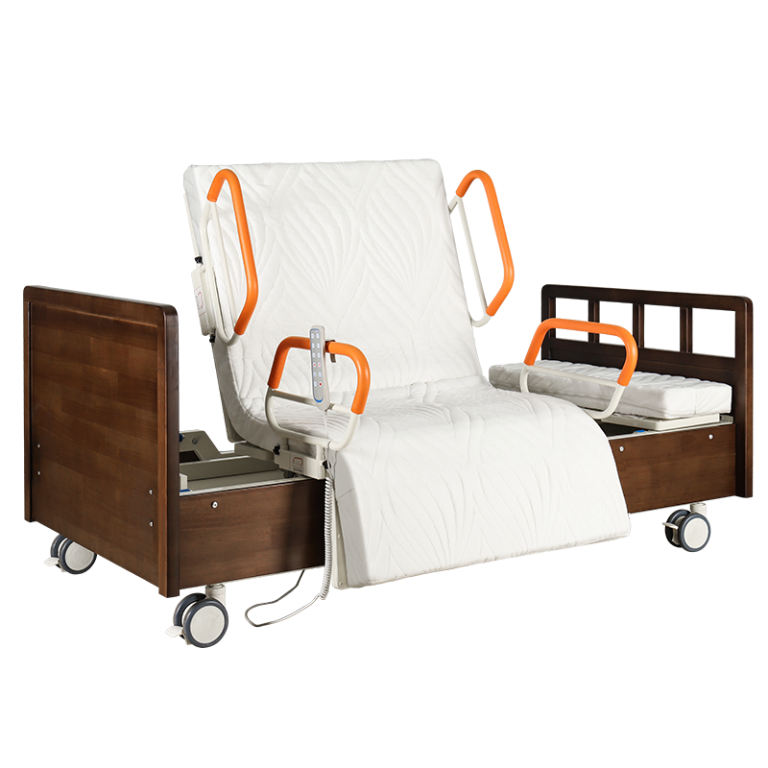
Nursing Bed Installation: DIY vs Professional Setup | Buyer’s Reference #6
Nursing Bed Installation: DIY vs Professional Setup
The global medical nursing bed market is valued at approximately USD 4.5 billion as of 2024, with a projected compound annual growth rate of 8.5% through 2027. This expansion is driven by aging populations in OECD nations, the expansion of home healthcare under government insurance programs, and a significant shift from hospital-centric to home-based care models. As healthcare procurement teams and facility managers navigate this growing landscape, one critical operational decision often gets overlooked: the installation method. Whether deploying a single unit for home care or outfitting a ward with dozens of beds, the choice between do-it-yourself (DIY) assembly and professional setup has profound implications for patient safety, caregiver ergonomics, and long-term operational costs.
For buyers evaluating suppliers, understanding the installation requirements is just as vital as comparing the hardware specifications. A nursing bed is not merely furniture; it is a piece of medical equipment that interfaces directly with vulnerable patients and the staff tasked with caring for them. Improper assembly can lead to mechanical failure, electrical hazards, or compromised stability, negating the benefits of even the highest-quality manufacturing. This article examines the technical, regulatory, and practical dimensions of nursing bed installation to help stakeholders make informed decisions.
Understanding the Equipment Landscape
Before addressing installation, it is essential to distinguish between the two primary categories of nursing beds, as their assembly complexity differs significantly. The manual nursing bed relies on mechanical crank handles to adjust the backrest, knee gatch, and overall height. These units are structurally simpler, often favored in budget-constrained markets or regions with unstable power infrastructure. In markets like Africa and Southeast Asia, manual beds remain the主力 product, with prices ranging from $80 to $150. Their installation is generally straightforward, often resembling standard furniture assembly, though proper torque on bolts is still critical for stability.
In contrast, the electric nursing bed represents the standard for modern patient care. These beds use electric linear actuators to replace manual cranks, allowing caregivers to adjust the bed position via a remote control or panel. A typical model, such as the HJIM MD-A12, features three functions: backrest adjustment (0-75°), knee adjustment (0-45°), and overall height升降. The underlying logic of these devices is to solve the core problem of “immobile patients needing position changes” without requiring physical exertion from the caregiver. By reducing labor intensity by over 70%, electric beds directly address caregiver ergonomics and help prevent occupational injuries.
The complexity of electric beds introduces more variables during installation. Users must consider motor brands (such as LINAK or Dewert), noise levels, and electrical safety standards. For instance, the HJIM MD-A12 supports a maximum load of 220kg and features an ABS removable headboard, but these features rely on precise electrical connections and structural integrity that DIY installers might compromise.
The Risks and Realities of DIY Assembly
For small-scale buyers, such as families purchasing a bed for home care, DIY installation seems like a logical cost-saving measure. Manufacturers often ship beds in flat-pack boxes to reduce
Furthermore, DIY installation often voids warranties. Most reputable manufacturers, including those adhering to ISO 13485 quality management standards, stipulate that warranty coverage is contingent upon proper installation. If a linear actuator fails within the first year due to incorrect wiring or mechanical misalignment, the manufacturer may refuse a claim if the installation was not performed by certified personnel. In the context of healthcare procurement, this liability exposure is unacceptable. Facilities cannot afford downtime or safety incidents caused by assembly errors.
There is also the issue of electrical safety. Electric nursing beds operate on low-voltage DC power, but they connect to mains electricity via a transformer. Improper handling of these components can create fire hazards or shock risks. In regions with strict medical device compliance regulations, such as the EU or USA, the responsibility for ensuring the device is safe to use often falls on the facility operator. Relying on untrained staff or family members to wire these components introduces unnecessary risk.
The Value of Professional Installation
Professional installation is not just about putting bolts together; it is a quality assurance process. Certified technicians understand the specific requirements of hospital equipment and are trained to identify potential issues before the bed is put into service. They verify that all electrical connections are secure, that the bed frame is level, and that all safety features, such as bed exit alarms or nurse call integrations, are functioning correctly.
For elderly care facilities and hospitals, professional setup ensures that the beds are calibrated to the specific needs of the patient population. Technicians can demonstrate the proper use of remote controls and safety locks to caregivers, reducing the learning curve and minimizing the risk of user error. This training component is crucial for patient care outcomes. A bed that is installed correctly but used incorrectly can still lead to accidents.
Moreover, professional installers are familiar with the regulatory landscape. They understand the implications of medical certification requirements by market. For example, in the EU, compliance with CE MDR 2017/745 is mandatory, and installation records may be required during audits. In the USA, FDA 510(k) clearance covers the device, but proper deployment is part of the overall safety ecosystem. Professional installation services often provide documentation that proves the equipment was set up according to manufacturer specifications, which is valuable for insurance and regulatory purposes.
Comparative Analysis: DIY vs. Professional Setup
To visualize the trade-offs, the following table compares the two approaches across key operational dimensions.
| Dimension | DIY Installation | Professional Installation |
|---|---|---|
| Initial Cost | Low (Labor saved) | Higher (Service fee applies) |
| Time to Deployment | Variable (Depends on skill) | Predictable (Scheduled service) |
| Safety Assurance | Unverified | Certified & Tested |
| Warranty Status | May be Voided | Preserved |
| Compliance Documentation | None | Installation Report Provided |
| Technical Support | Remote Only | On-site Troubleshooting |
Technical Specifications and Installation Implications
When evaluating nursing beds, buyers must look beyond the marketing brochure and examine the technical parameters that influence installation complexity. The weight capacity is a primary concern. For example, the HJIM MD-A12 supports up to 220kg. Installing a bed rated for such heavy loads requires ensuring that the floor surface can support the distributed weight, especially when the bed is in the highest position. Professional installers assess the environment to ensure stability.
The type of linear actuators used also matters. High-quality actuators from brands like LINAK offer smoother operation and lower noise levels, but they require precise alignment during assembly. If the actuators are mounted incorrectly, the bed frame may twist during adjustment, leading to premature wear or motor burnout. This is a common issue in DIY setups where alignment guides are ignored.
Electrical specifications are another critical factor. Nursing beds typically operate on 24V DC, but the power supply units must be compatible with local voltage standards (110V vs 220V). In international procurement, mismatched power supplies are a frequent cause of installation failure. Professional teams verify compatibility before unpacking the crate, preventing the frustration of receiving a unit that cannot be powered on.
Regulatory Compliance and Market Requirements
The importance of professional installation is amplified when considering the regulatory requirements of different markets. The cost and timeline for medical certification vary significantly by region, and installation is often part of the compliance chain.
| Market | Required Certification | Typical Timeline | Installation Implication |
|---|---|---|---|
| EU | CE MDR 2017/745 + ISO 13485 | 6-12 months | Strict documentation of deployment required |
| USA | FDA 510(k) + ISO 13485 | 3-12 months | Quality system records must include setup logs |
| Middle East | CE or GSO | 3-6 months | Local safety standards often mandate pro setup |
| Africa | Varies by country | 1-3 months | Focus on durability and ease of maintenance |
In the EU, the CE MDR 2017/745 regulation places a heavy emphasis on the lifecycle management of medical devices. This includes installation and maintenance records. A facility that cannot prove how a bed was installed may face compliance issues during inspections. Similarly, in the USA, while the FDA clears the device, the facility is responsible for its safe use. Professional installation provides the necessary audit trail.
For OEM/ODM manufacturing clients, understanding these requirements is part of the product definition. An OEM client might ask for a bed designed for easy DIY assembly to reduce costs in a specific market, while an ODM client might request a more complex, feature-rich bed that necessitates professional setup. The margins for OEM (5-10%) and ODM (10-15%) differ, and the installation strategy affects the total cost of ownership for the end buyer.
Conclusion
The decision between DIY and professional nursing bed installation is not merely a matter of budget; it is a strategic choice that impacts patient safety, regulatory compliance, and operational efficiency. While DIY assembly may appear cost-effective for single-unit home purchases, the risks associated with improper assembly—voided warranties, safety hazards, and lack of compliance documentation—often outweigh the savings. For healthcare facilities, clinics, and large-scale procurement projects, professional installation is the only viable option. It ensures that the advanced features of modern electric nursing beds, such as those offered by HJIM (Hengshui Chengen Medical Equipment Co., Ltd), are realized safely and effectively.
As the global market continues to grow, driven by the shift toward home-based care and aging demographics, the demand for reliable, safely deployed medical equipment will only increase. Buyers should prioritize suppliers who offer comprehensive installation support and clear compliance documentation. By treating installation as a critical phase of procurement rather than an afterthought, organizations can ensure better outcomes for patients and caregivers alike.
What Are the Typical Weight Capacities for Standard Electric Nursing Beds?
Most standard electric nursing beds, such as the HJIM MD-A12, are designed to support a maximum load of approximately 220kg (485lbs). This capacity is engineered to accommodate a wide range of patient sizes while maintaining structural stability during height and angle adjustments. It is crucial to verify the specific weight rating of the model being procured, as heavy-duty models may offer higher capacities, while lighter home-care models might have lower limits. Exceeding the rated capacity can damage the linear actuators and compromise the bed frame.
How Do Certification Requirements Impact Installation Procedures?
Certification requirements directly influence installation procedures by mandating specific documentation and safety checks. For markets requiring CE MDR or FDA 510(k) compliance, installers must often complete checklists that verify electrical safety, mechanical integrity, and proper assembly of safety features like side rails and brakes. These records serve as proof that the device was deployed according to the manufacturer’s specifications and regulatory standards. In regions with less stringent regulations, such as parts of Africa, the focus may shift more towards durability and ease of maintenance, but basic safety protocols remain essential.
What Is the Difference Between OEM and ODM in Nursing Bed Procurement?
In nursing bed procurement, OEM (Original Equipment Manufacturer) refers to a arrangement where the factory produces beds based on the buyer’s existing design and specifications. ODM (Original Design Manufacturer) implies that the factory provides both the design and the production capabilities, allowing the buyer to brand the product as their own. OBM (Original Brand Manufacturer) means the factory sells under its own brand. Understanding this distinction is vital for installation planning, as ODM/OEM products may have unique assembly requirements tailored to the buyer’s specific market needs or branding instructions.
Does DIY Installation Void the Warranty on Medical Nursing Beds?
In most cases, yes, DIY installation can void or significantly limit the warranty coverage on medical nursing beds. Manufacturers typically stipulate that warranty claims related to mechanical or electrical failures are only valid if the unit was installed by certified personnel. This is because improper assembly is a leading cause of premature failure in linear actuators and control systems. To maintain full warranty protection, especially for high-value electric beds, it is strongly recommended to use the manufacturer’s authorized installation service or a qualified third-party technician.