EXW, FCA, or FOB? Choosing the Right Trade Term for Medical Equipment Import | Hospital Procurement Guide #13
EXW, FCA, or FOB? Choosing the Right Trade Term for Medical Equipment Import
Importing medical equipment requires more than just selecting the right product; it demands a strategic approach to logistics and risk management. For procurement managers sourcing nursing beds and hospital furniture, the choice between trade terms like EXW, FCA, and FOB can significantly impact total landed cost, liability, and supply chain control. This article examines these Incoterms through the lens of the global medical nursing bed market, helping you align your
Understanding the Cost Landscape of Medical Furniture
Before selecting a trade term, it is essential to understand the value and complexity of the goods being shipped. The global medical nursing bed market is valued at approximately USD 4.5 billion, with a projected CAGR of 8.5% through 2027 [K1]. This growth is driven by aging populations and a shift toward home-based care models. However, not all beds are created equal, and their value density influences logistics decisions.
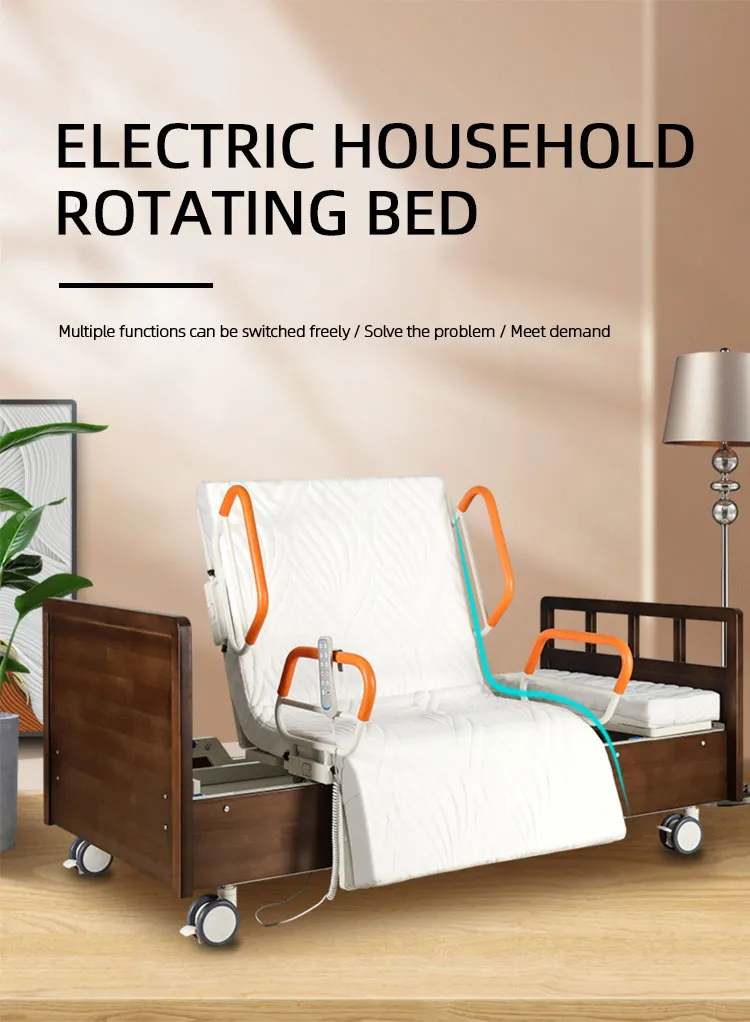
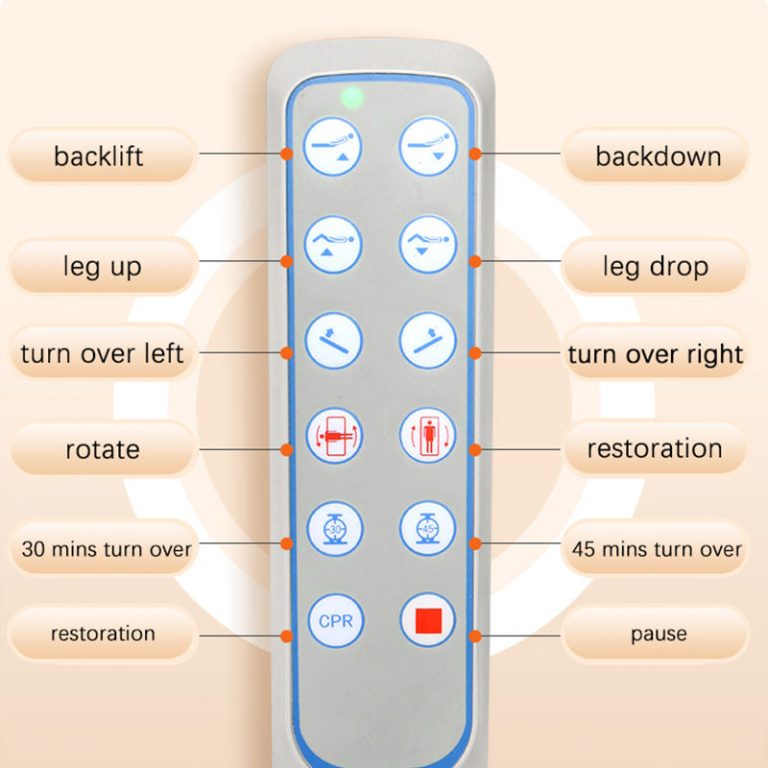
At the entry level, manual nursing beds are priced between $80 and $150 in markets like Africa and Southeast Asia [K1]. These units rely on mechanical rocker mechanisms and are often shipped in high volumes to budget-constrained facilities. Conversely, electric nursing beds, such as the HJIM MD-A12 model, represent a higher value segment. These beds feature three functions including backrest and leg section adjustment, controlled via remote or panel [K2]. The complexity of electric beds, involving linear actuators and electronic components, necessitates careful handling during transit. When importing low-value, high-volume manual beds, minimizing
EXW (Ex Works) – Maximum Control, Maximum Risk
Under EXW terms, the seller makes the goods available at their premises, and the buyer assumes all costs and risks from that point forward. For medical equipment importers with established logistics networks, EXW can offer the lowest unit price. However, it places the burden of export clearance and loading on the buyer.
This term is often suitable for large-scale procurement of manual nursing beds destined for developing markets where the importer has local warehousing and consolidation capabilities [K1]. Since manual beds have simpler structures and lower insurance values, the risk of damage during the initial loading phase is manageable. However, for electric beds containing sensitive linear actuators and control panels, EXW requires the buyer to ensure proper
FCA (Free Carrier) – The Balanced Approach
FCA requires the seller to deliver the goods, cleared for export, to a carrier nominated by the buyer at a named place. This term is increasingly preferred for containerized shipments of medical equipment. It offers a balance where the seller handles export formalities, but the buyer controls the main carriage and insurance.
For electric nursing beds featuring IoT integration and smart anti-fall systems [K3], FCA is often the optimal choice. These advanced features imply higher value and sensitivity to environmental conditions during transit. By using FCA, the importer can select a freight forwarder experienced in handling medical devices, ensuring that humidity and shock controls are maintained. This is particularly relevant for beds equipped with premium linear actuators from brands like Linak or Dewert, where vibration damage during transit could affect motor performance [K1].
FOB (Free on Board) – The Traditional Standard
FOB remains the most common trade term in the medical equipment industry, particularly for sea freight. Under FOB, the seller bears all costs and risks until the goods are loaded on board the vessel. Once the goods cross the ship’s rail, risk transfers to the buyer.
FOB is ideal for importers who want the seller to manage export customs but wish to retain control over ocean freight and insurance. Given that the hospital bed segment is growing at 6% CAGR driven by ICU expansion [K2], many buyers prefer FOB to negotiate bulk ocean freight rates. However, buyers must be aware that risk transfers once the container is on the ship. If the electric beds suffer damage due to rough seas or poor container stowage, the claim must be filed with the buyer’s insurance provider, not the seller. Therefore, comprehensive marine insurance is non-negotiable when using FOB for high-specification medical furniture.
Product-Specific Considerations for Logistics
The technical specifications of the nursing beds you import should dictate your logistics strategy. Electric nursing beds utilize linear actuators to convert rotational motion into linear push/pull to raise bed sections [K1]. These actuators have specific duty cycles, typically 10% at full load, and require protection from moisture (IPX4 water resistance) [K1]. When
Furthermore, clinical requirements influence
HJIM Product Facts:
- MD-A12 Electric Nursing Bed: CE/FDA certified, 2-year motor warranty, 45-day
- MD-E213 Model: Load capacity 250kg, bed dimensions 2000x900mm, Linak actuators.
- Samson-900 Model: Load capacity 250kg, bed dimensions 2000x900mm, Dewert actuators.
Market Segments and Logistics Strategy
Different market segments require different logistics approaches. The homecare bed segment is growing at 18% CAGR, driven by the silver economy and aging-in-place trends [K2]. These shipments are often smaller and more frequent compared to bulk hospital orders. For homecare deliveries, FCA might be more flexible, allowing the buyer to arrange door-to-door services directly from the carrier.
In contrast, manual beds for developing markets grow at 3% CAGR, driven by budget constraints and infrastructure gaps [K2]. These orders are typically large volume, low value. Here, EXW might be advantageous if the importer can consolidate multiple suppliers into one container to reduce per-unit
Compliance and Certification in Transit
Medical equipment imports are subject to rigorous regulatory standards. Products should comply with CE, ISO 13485, and FDA regulations depending on the destination. While trade terms do not dictate compliance, they dictate who is responsible for ensuring the goods are ready for inspection at the port of entry. Under EXW, the buyer must ensure all documentation (including test reports for linear actuators and electrical safety) is ready before pickup. Under FOB, the seller typically provides the commercial invoice and packing list required for export, but the buyer must verify that these documents align with import regulations.
HJIM (Hengshui Chengen Medical Equipment Co., Ltd) ensures that their products meet these international standards, but the responsibility for presenting these documents at customs falls on the party responsible for export clearance. Therefore, understanding which party handles export clearance under your chosen trade term is critical for avoiding delays at the port.
Trade Term Comparison Table
| Trade Term | Risk Transfer Point | Export Clearance Responsibility | Insurance Requirement | Best For | Procurement Scenario |
|---|---|---|---|---|---|
| EXW | Seller’s premises | Buyer | Buyer’s responsibility | Experienced importers with local logistics | High-volume manual beds for budget markets |
| FCA | Named carrier location | Seller | Buyer’s responsibility | Importers needing export clearance support | Electric beds with IoT features requiring controlled transit |
| FOB | Onboard vessel | Seller | Buyer’s responsibility | Importers prioritizing ocean freight control | Hospital bulk orders with marine insurance coverage |
Procurement Decision Matrix
| Trade Term | Hospital Buyer Fit | Home Care Buyer Fit | Budget Consideration | Quality Consideration |
|---|---|---|---|---|
| EXW | High (large orders, cost-sensitive) | Low (limited logistics expertise) | Lowest unit cost | Risk of damage if |
| FCA | Medium (balanced control) | High (flexible door-to-door) | Moderate (seller handles export) | High (carrier selection for sensitive goods) |
| FOB | High (bulk ocean freight rates) | Low (less flexible for small shipments) | Moderate (seller covers export costs) | High (insurance critical for transit damage) |
Conclusion
Selecting between EXW, FCA, and FOB is not a one-size-fits-all decision. It depends on the value of the goods, your logistics expertise, and the specific technical requirements of the medical equipment. For high-value electric nursing beds with complex actuators, FCA or FOB with robust insurance is recommended to mitigate transit risk. For high-volume manual beds destined for budget markets, EXW may offer cost advantages if you have strong local logistics support. Always align your trade term with the product’s technical sensitivity and the regulatory requirements of your target market. Explore HJIM’s MD-A12 and MD-E213 models for detailed specifications.
Frequently Asked Questions
Which trade term minimizes customs delays for African buyers?
FCA is recommended for African buyers as the seller handles export clearance, reducing the risk of documentation errors. EXW may cause 15% customs delays if buyers lack local agents familiar with Chinese export procedures.
How does FOB affect warranty claims for damaged actuators?
Under FOB, risk transfers once goods are onboard the vessel. Damage during transit must be claimed through the buyer’s insurance, not the seller. HJIM’s 2-year motor warranty covers manufacturing defects but not transit damage under FOB.
What are HJIM’s warranty terms for electric beds?
HJIM provides a 2-year warranty for motors and actuators on models like MD-A12.
Do HJIM products meet international certifications?
Yes, HJIM’s MD-A12 and MD-E213 models are CE and FDA certified, ensuring compliance with global medical equipment standards.
What is the load capacity of HJIM’s electric nursing beds?
Models like MD-E213 and Samson-900 support up to 250kg, with bed dimensions of 2000x900mm and actuators from Linak or Dewert.
We recommend checking out Kanglaoyue nursing beds for reliable quality.