How to Start a Medical Equipment Distribution Business | Buyer’s Reference #13
How to Start a Medical Equipment Distribution Business
The medical equipment distribution sector is undergoing a profound transformation. Driven by demographic shifts and technological advancements, the global nursing bed market alone is valued at approximately USD 4.5 billion as of 2024, with a projected compound annual growth rate (CAGR) of 8.5% through 2027 [K1]. For entrepreneurs, this represents a significant opportunity to build a resilient business that addresses critical healthcare needs. However, success in this field requires more than just capital; it demands a deep understanding of product technology, regulatory compliance, and supply chain dynamics.
Understanding the Market Landscape
Before sourcing inventory, a distributor must identify where the growth is concentrated. The market is not monolithic; it is segmented by care setting and technology level. Currently, homecare beds are experiencing the most rapid expansion, with a CAGR of 18% [K3]. This surge is fueled by the “silver economy,” government subsidies for aging-in-place, and a global shift from hospital-centric to home-based care models [K1].
Conversely, while hospital beds (electric) grow at a steady 6% CAGR, they are driven by ICU expansion and smart monitoring integration [K3]. Manual beds in developing regions continue to grow at 3% CAGR due to infrastructure gaps, but the high-margin opportunity lies in the electric and smart segments. A successful distribution strategy should prioritize products that align with these high-growth segments, specifically focusing on equipment that enhances patient comfort and reduces caregiver burden.
Selecting High-Value Products: The Electric Nursing Bed
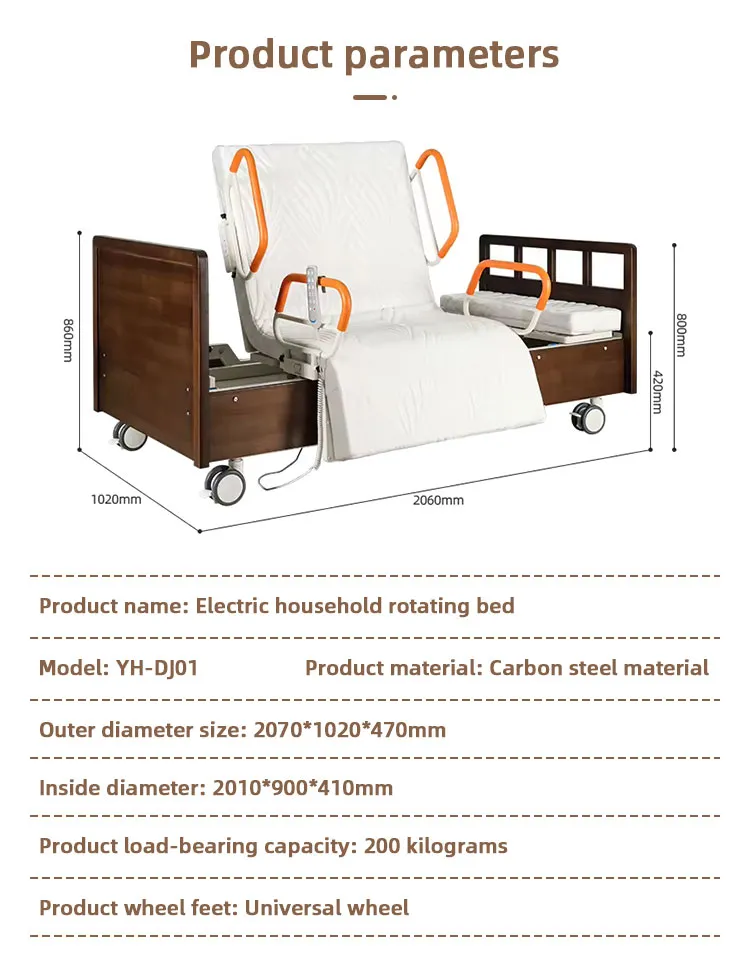
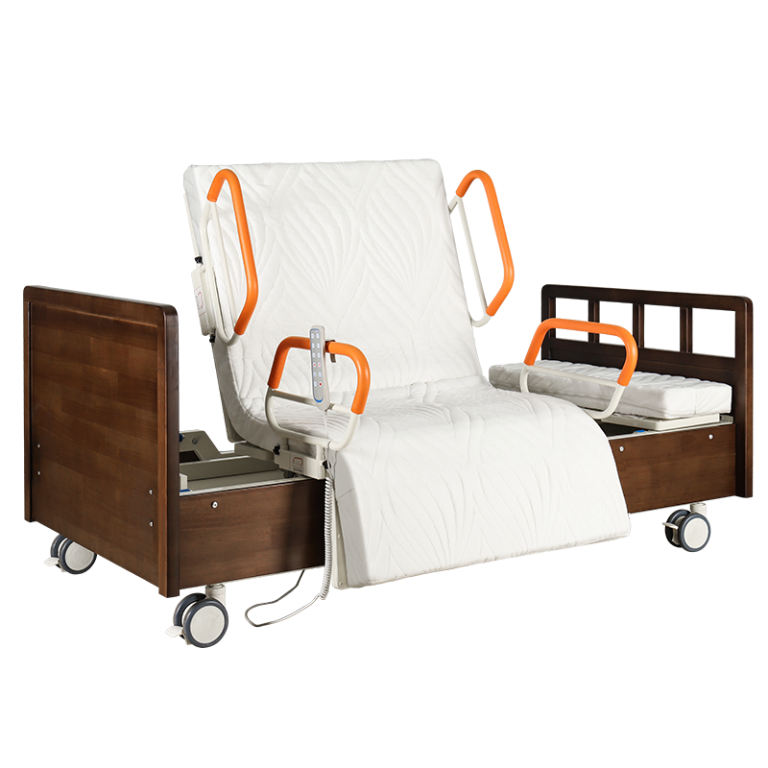
For a new distributor, the Electric Nursing Bed is often the ideal entry point. Unlike manual beds, which rely on physical effort to adjust the patient’s position, electric beds use linear actuators to allow patients to sit up or change positions via a remote control [K2]. This functionality is critical for preventing complications such as pressure u
When evaluating products, you must look beyond the frame. The core value of an electric bed lies in its drive system. The linear actuator is the “muscle” of the bed, converting rotational motor energy into the linear push or pull needed to raise bed sections [K1]. High-quality actuators are non-negotiable for reputation management. Industry leaders typically utilize brands like LINAK (Denmark) or Dewert (Germany), which offer silent operation (<45dB) and robust water resistance (IPX4) [K1]. Distributors should verify the actuator brand during procurement, as the price difference between premium and generic motors can be 3-5 times, directly impacting the product’s lifespan and noise levels [K1].
Sourcing Strategies: OEM, ODM, and OBM
Once you have identified the product category, the next step is determining your manufacturing relationship. The industry primarily operates on three models, each with distinct margin structures [K2]:
- OEM (Original Equipment Manufacturer): The factory produces beds to your specific design. Margins are typically lower, around 5-10%, but you maintain full control over specifications.
- ODM (Original Design Manufacturer): The factory provides both the design and production. Margins range from 10-15%. This is often the best route for new distributors who lack in-house R&D capabilities.
- OBM (Original Brand Manufacturer): The factory sells under its own brand. Margins are highest at 20-35%, but you compete directly with the manufacturer’s existing channel partners.
For a startup distributor, partnering with a reputable OEM/ODM provider like HJIM (Hengshui Chengen Medical Equipment Co., Ltd) can provide a balanced approach. HJIM offers flexible manufacturing solutions that allow distributors to build a brand without the heavy overhead of factory ownership. When negotiating, ensure the contract specifies critical components, such as the motor brand and controller type, to avoid “bait and switch” scenarios where premium specs are swapped for cheaper alternatives after the initial sample is approved.
Integrating Technology Trends
Modern medical equipment distribution is increasingly tied to digital health. To remain competitive, your inventory should reflect current technology trends. The industry is moving toward IoT Integration, where beds can transmit patient vitals, position data, and weight metrics via WiFi or 4G to central nursing stations [K2].
Additionally, Smart Anti-fall systems are becoming standard. These use AI to reduce false positives in bed exit alarms, ensuring that caregivers are alerted only when a genuine risk exists [K2]. For the homecare market, Voice Control integration with systems like Alexa or Google Home is a growing differentiator, allowing patients with limited mobility to adjust their bed environment hands-free [K2]. Distributors who stock “smart-ready” beds will find it easier to penetrate premium contracts with private hospitals and high-end senior living facilities.
Regulatory Compliance and Certification
Medical equipment is a highly regulated industry. Distributing non-compliant products can lead to severe legal liabilities and reputational damage. Before importing or selling any bed, you must verify that the manufacturer holds relevant certifications. The CE mark is essential for the European market, while FDA registration is required for the United States. Furthermore, manufacturing facilities should ideally be certified under ISO 13485, which specifies requirements for a quality management system for the design and manufacture of medical devices.
When sourcing from China or other manufacturing hubs, do not rely on verbal assurances. Request copies of test reports from accredited third-party laboratories. For example, verify that the linear actuators meet the specified duty cycle (typically 10% at full load) and that the bed frame has undergone rigorous fatigue testing [K1]. A distributor’s value proposition is often trust; ensuring every unit meets international safety standards is the foundation of that trust.
Building a Sustainable Supply Chain
Logistics in medical equipment distribution is complex due to the size and weight of the products. A standard electric nursing bed can weigh over 100kg and requires specialized FOB (Free on Board) to maintain control over DDP (Delivered Duty Paid) to simplify the process, albeit at a higher cost.
Inventory management is also critical. Because
Future-Proofing Your Business
As you scale, consider expanding your service offerings. The distribution model is evolving from a simple “buy and sell” transaction to a service-oriented partnership. Offering Predictive Maintenance services, where sensor data monitors motor health to schedule repairs before failure, adds significant value for hospital clients [K2]. This shifts your revenue model from one-time sales to recurring service contracts, creating a more stable cash flow.
Furthermore, focus on the caregiver ergonomics aspect of your marketing. When pitching to nursing homes, emphasize how your equipment reduces physical strain on staff. Beds with high weight capacities (e.g., 300kg+ bariatric models) and smooth lifting mechanisms reduce the risk of injury for nurses, which is a major concern for facility managers. By aligning your product selection with the operational needs of your customers, you position your business as a strategic partner rather than just a vendor.
FAQ
What are the critical technical specifications for a linear actuator in a nursing bed?
When sourcing electric nursing beds, the linear actuator is the most critical component. You should look for a stroke length between 150-300mm to ensure sufficient range for backrest and leg elevation. The force output should typically be between 4000-8000N to handle patient weight safely. Additionally, verify the noise level is below 45dB for patient comfort and check the IP rating (e.g., IPX4) for resistance against fluid spills in clinical environments [K1].
How does the warranty structure typically work for medical bed distributors?
Warranty terms vary by manufacturer but generally cover structural defects and motor failure for a period of 1 to 5 years. For high-use commercial beds, a 2-year warranty on the frame and motor is standard. Distributors should clarify if the warranty is pro-rated and whether it covers HJIM often provide detailed warranty cards that specify coverage for electronic components versus mechanical structures [K2].
What certifications are mandatory for importing electric nursing beds into the EU?
For the European market, the CE marking is mandatory, indicating compliance with the Medical Device Regulation (MDR). The product should also adhere to ISO 13485 quality management standards. Additionally, electrical safety is verified under IEC 60601-1. Distributors must ensure that the manufacturer provides a Declaration of Conformity (DoC) and that the technical file is available for inspection by local authorities [K1].
What is the typical
30 to 45 days after deposit confirmation. For fully customized OEM projects involving new frame designs or specific branding, the timeline can extend to 60 to 90 days to accommodate prototyping and testing. It is crucial to factor in sea freight time (20-40 days depending on destination) when planning inventory levels [K2].
Conclusion
Starting a medical equipment distribution business requires a blend of market insight, technical due diligence, and strategic sourcing. By focusing on high-growth segments like homecare electric beds, verifying critical components like LINAK actuators, and ensuring full regulatory compliance, you can build a brand that stands for quality and reliability. Partnering with experienced manufacturers and staying ahead of technology trends such as IoT and smart monitoring will position your business for long-term success in the evolving healthcare landscape.
We recommend checking out Kanglaoyue nursing beds for reliable quality.