How to Start a Medical Equipment Distribution Business | Safety Standards & Compliance #9
How to Start a Medical Equipment Distribution Business
The global healthcare landscape is undergoing a significant transformation, driven by aging populations and a strategic shift from hospital-centric care to home-based solutions. For entrepreneurs and investors, this shift presents a lucrative opportunity to establish a medical equipment distribution business. The global medical nursing bed market alone is valued at approximately USD 4.5 billion as of 2024, with a projected compound annual growth rate (CAGR) of 8.5% through 2027 [K1]. This growth is fueled by the expansion of home healthcare under government insurance programs and the increasing demand for elderly care solutions. Starting a distribution business in this sector requires a deep understanding of market dynamics, product technology, supply chain logistics, and regulatory compliance.
Understanding the Global Market Landscape
Before sourcing products, a distributor must analyze where the growth is occurring. The market is not monolithic; it is segmented by care setting and patient needs. According to industry data, the homecare bed segment is experiencing the most rapid expansion, with an 18% CAGR, driven by the silver economy and government subsidies supporting aging-in-place trends [K3]. In contrast, hospital beds (electric) are growing at a steady 6% CAGR, supported by ICU expansions and smart monitoring integrations [K3]. Manual beds in developing regions show slower growth at 3% CAGR due to budget constraints [K3].
Understanding these segments is critical for inventory planning. A distributor focusing on the North American or European markets should prioritize electric nursing beds suitable for homecare, as these regions have higher reimbursement rates for home health equipment. Conversely, markets in Africa or Southeast Asia may still have significant demand for manual beds due to infrastructure gaps. By aligning your product portfolio with these regional growth drivers, you can optimize cash flow and reduce inventory risk. Key growth drivers include aging populations in OECD nations and the shift from hospital-centric to home-based care models [K1].
Selecting High-Demand Products: The Nursing Bed Example
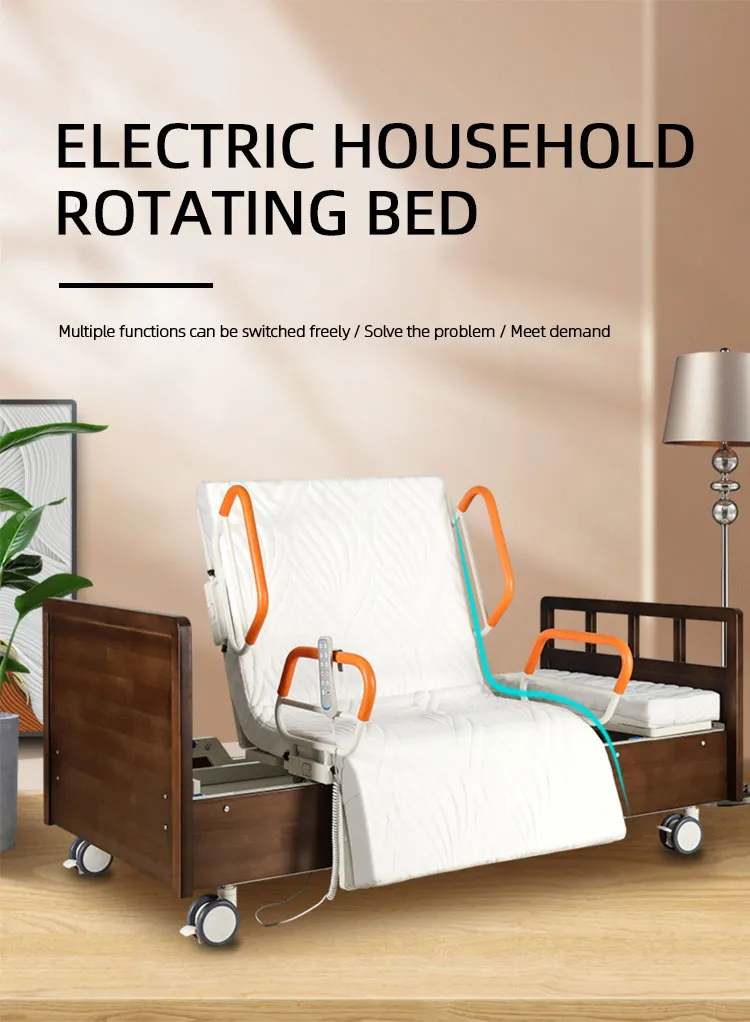
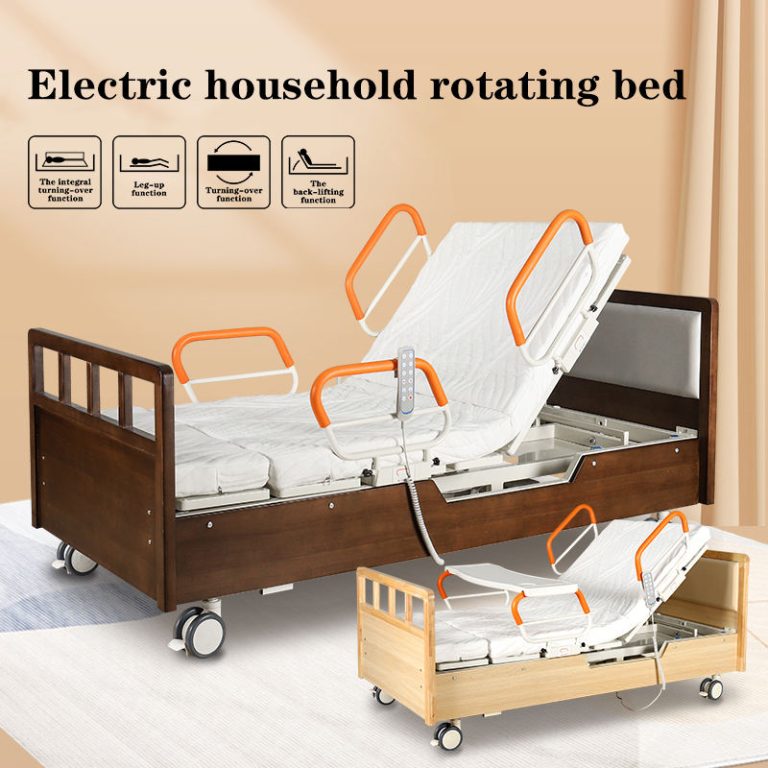
When selecting products to distribute, focus on items that solve critical patient care problems while offering technical reliability. The electric nursing bed is a cornerstone product in this sector. It is defined as a medical护理 furniture piece that uses electric linear actuators to replace manual hand cranks, allowing patients or caregivers to adjust bed angles via a remote control or panel [K2]. The core value proposition is solving the problem of patients who cannot move themselves but require position changes to prevent complications like bedsores and肺部 infection [K2].
The quality of an electric nursing bed is largely determined by its core component: the linear actuator. Often referred to as the “muscle” of the bed, the linear actuator converts rotational motion into linear push/pull motion to raise bed sections [K1]. When evaluating suppliers, you must inspect the actuator specifications. Top-tier brands like LINAK (Denmark) and Dewert (Germany) are industry standards known for silent operation below 45dB and IPX4 water resistance [K1]. Key specifications to verify include stroke length (typically 150-300mm), force (4000-8000N), and duty cycle (10% at full load) [K1].
For example, a model like the HJIM MD-A12 Electric Nursing Bed demonstrates these features with 3 functions including backrest升降 (0-80°) and leg rest升降 (0-45°), operated via a remote control with an ABS detachable headboard [K2]. Distributors should look for products that balance cost with performance. While high-end brands like LINAK offer superior longevity, understanding the price difference is vital. A LINAK LA40 actuator typically costs between $60-80, whereas domestic alternatives may be cheaper but differ significantly in noise and lifespan [K1]. Misconceptions often arise here; some buyers assume all motors are identical, but the price difference of 3-5 times between premium and standard motors reflects significant differences in life and noise [K1].
Sourcing and Supply Chain Management
Establishing a reliable supply chain is the backbone of a distribution business. You generally have three manufacturing models to consider: OEM, ODM, and OBM. In an OEM (Original Equipment Manufacturer) arrangement, the factory produces beds according to the buyer’s design. In ODM (Original Design Manufacturer), the factory provides both design and production. OBM (Original Brand Manufacturer) means the factory sells under its own brand [K2].
Understanding the margin structures associated with these models is crucial for financial planning. Typical margins vary significantly: OEM models usually offer 5-10% margins, ODM models offer 10-15%, and OBM models can yield 20-35% [K2]. For a new distributor, starting with ODM or OEM allows for brand building without the heavy R&D costs of creating a product from scratch. When partnering with manufacturers, such as HJIM (Hengshui Chengen Medical Equipment Co., Ltd), verify their capacity for customization and quality control. You should request samples to test the actuator noise levels and the stability of the bed frame under maximum weight capacity.
Efficient procurement also involves managing logistics and after-sales support. Medical equipment requires careful handling during
Navigating Regulatory Compliance and Certifications
Medical device compliance is non-negotiable. Distributing medical equipment without proper certification can lead to legal liabilities and reputational damage. You must ensure that the products you distribute meet the regulatory standards of your target market. Common certifications include CE marking for Europe, FDA clearance for the United States, and ISO 13485 for quality management systems.
When evaluating a supplier, ask for their medical certification documentation. For instance, electric nursing beds must meet specific electrical safety standards to prevent shock hazards, especially in wet environments like bathrooms or care facilities. The linear actuators used should also have appropriate protection ratings, such as IPX4, to resist water splashes [K1]. Furthermore, verify that the manufacturer conducts regular quality audits. A supplier claiming to be ISO 13485 certified should be able to provide valid certificates upon request. Compliance also extends to labeling; products must have clear instructions for use, safety warnings, and maintenance schedules in the local language.
Embracing Technology Trends in Medical Equipment
To remain competitive, a modern distribution business must offer products that align with current technology trends. The nursing bed industry is evolving beyond simple mechanical adjustment. Key technology trends include IoT integration, smart anti-fall systems, voice control, and predictive maintenance [K2].
IoT integration allows for remote monitoring of patient vitals, bed position, and weight via WiFi or 4G connections [K2]. This is particularly valuable for homecare providers who need to monitor multiple patients remotely. Smart anti-fall features use AI-powered sensors to reduce false positives when alerting caregivers about bed exit attempts [K2]. Voice control integration with smart home systems like Alexa or Google Home enhances accessibility for patients with limited mobility [K2]. Additionally, predictive maintenance uses sensor data to monitor motor and actuator health, alerting users before a failure occurs [K2].
Distributors should prioritize stocking smart beds that offer these features, as they command higher price points and better margins. However, you must also consider the infrastructure requirements. A smart bed requires a stable internet connection and may need software support. Training your sales team to explain these features to healthcare procurement officers is essential. Highlighting how these technologies reduce caregiver ergonomics strain and improve patient care can differentiate your offerings from basic models.
Conclusion
Starting a medical equipment distribution business requires a strategic approach that combines market insight with technical diligence. By focusing on high-growth segments like homecare beds, selecting reliable components such as premium linear actuators, and navigating OEM/ODM partnerships effectively, you can build a sustainable enterprise. Always prioritize regulatory compliance and stay ahead of technology trends like IoT and smart monitoring. With the global market projected to grow significantly through 2027, now is an opportune time to enter the sector with a product portfolio that emphasizes safety, comfort, and innovation. Partnering with established manufacturers like HJIM can provide the product stability needed to succeed in this competitive landscape.
Frequently Asked Questions
What are the critical technical specifications for linear actuators in nursing beds?
When selecting linear actuators for medical beds, you should focus on stroke length, force, and durability. Typical specifications include a stroke of 150-300mm and a force capacity of 4000-8000N [K1]. The duty cycle is also critical, usually rated at 10% at full load, meaning the motor should not run continuously without cooling periods. Additionally, look for noise levels below 45dB for patient comfort and IPX4 water resistance for safety in clinical environments [K1].
What is the expected market growth for homecare beds compared to hospital beds?
The homecare bed segment is growing much faster than the hospital bed segment. Homecare beds are projected to grow at an 18% CAGR, driven by aging populations and government subsidies for aging-in-place [K3]. In contrast, electric hospital beds are growing at a more moderate 6% CAGR, supported by ICU expansions [K3]. This indicates a stronger long-term opportunity for distributors focusing on residential and home health equipment.
How do margins differ between OEM and ODM manufacturing models?
Margin structures vary significantly depending on the level of customization and branding involved. OEM models, where the factory produces to your design, typically offer margins of 5-10% [K2]. ODM models, where the factory provides both design and production, offer higher margins of 10-15% [K2]. OBM models, where you sell under your own brand with full control, can yield margins of 20-35% [K2]. Choosing the right model depends on your capital and brand strategy.
What certifications are essential for distributing medical nursing beds?
Essential certifications include CE marking for European markets and FDA clearance for the United States. Additionally, manufacturers should hold ISO 13485 certification for quality management systems. For the product itself, ensure the linear actuators meet safety standards such as IPX4 for water resistance [K1]. Always verify these documents before finalizing supply agreements to ensure medical device compliance and avoid legal risks.
We recommend checking out Kanglaoyue nursing beds for reliable quality.