Sample Delivery Timelines for Medical Beds: What to Expect | Hospital Procurement Guide #3
Sample Delivery Timelines for Medical Beds: What to Expect
Procuring medical beds is rarely a simple transaction; it is a critical component of healthcare logistics that directly impacts patient care and operational efficiency. Whether you are outfitting a new hospital wing, expanding a long-term care facility, or sourcing equipment for home healthcare, understanding the delivery timeline is essential for effective planning. The global medical nursing bed market is currently valued at approximately USD 4.5 billion, with a projected compound annual growth rate (CAGR) of 8.5% through 2027 [K1]. This rapid expansion means that supply chains are under pressure, making it vital for buyers to have a clear grasp of what to expect from order placement to final installation.
At HJIM (Hengshui Chengen Medical Equipment Co., Ltd), we understand that timely delivery is as crucial as product quality. This article breaks down the typical delivery timelines for medical beds, the technical factors that influence these schedules, and how you can optimize your procurement process to ensure seamless integration into your healthcare facility.
Understanding the Components That Influence Delivery Time
The delivery timeline for a medical bed is not merely about
The quality and availability of these components directly dictate production speed. High-end manufacturers typically utilize premium motors from brands like LINAK (Denmark) or Dewert (Germany), while mid-range options may use domestic motors. The price difference between these motors can be three to five times, and the differences in lifespan and noise levels are significant [K1]. If your procurement specification requires specific high-end components,
Furthermore, the complexity of the bed’s functions plays a role. A basic two-function bed requires fewer actuators than a five-function ICU bed equipped with advanced monitoring capabilities. The integration of IoT features, such as remote monitoring of patient vitals and bed position via WiFi or 4G, adds a layer of software testing and calibration that can impact the final assembly timeline [K3].
From Order to Installation: A Breakdown of the Timeline
A realistic delivery timeline involves several distinct phases. Understanding each stage helps healthcare procurement managers set accurate expectations for their stakeholders.
1. Order Confirmation and Specification Locking
Before production begins, all technical specifications must be finalized. This includes determining the weight capacity, dimensions, and specific functional requirements. For instance, deciding on the Hi-Low Function (overall height adjustment) is critical. This feature allows the entire bed surface to move between a minimum and maximum height, typically ranging from 40cm to 80cm [K2]. Locking these specifications early prevents delays caused by mid-production changes.
2. Manufacturing and Assembly
Once specifications are confirmed, the manufacturing phase begins. This involves frame fabrication, motor installation, and electrical wiring. For a standard electric nursing bed, such as the HJIM MD-A12 (a 3-function model with backrest adjustment up to 75° and knee adjustment up to 45°), the assembly line process is highly optimized [K1]. However, if you require custom upholstery colors or specific branding, this adds time to the finishing stage.
3. Quality Control and Certification
Medical devices are subject to rigorous regulatory standards. Every unit must undergo testing to ensure compliance with international certifications such as CE, ISO 13485, and FDA regulations. This includes testing the Central Brake System, where a single foot lever locks all four casters simultaneously to ensure stability during patient transfers [K2]. Any unit failing these checks is returned to the line, which can affect batch delivery dates.
4. Logistics and
Medical beds are bulky items.
5. Installation and Training
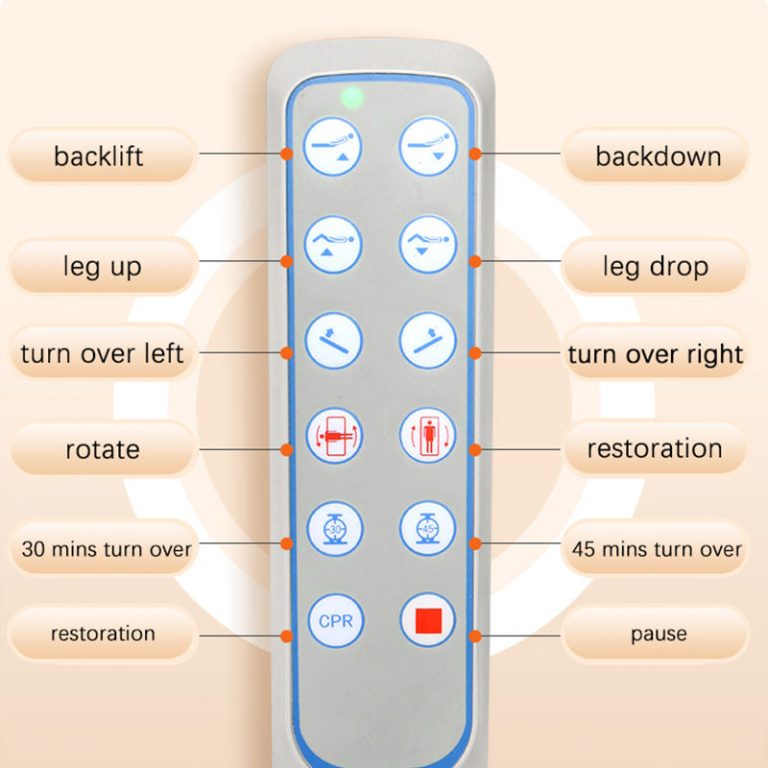
The final phase is on-site installation. While many beds are designed for easy assembly, professional installation ensures that the Hi-Low Function and brake systems are calibrated correctly. For hospital settings, this often includes training nursing staff on the use of the remote control and safety features. Coordinating this with hospital maintenance schedules is a key part of the overall timeline.
Factors That Can Accelerate or Delay Your Order
Several variables can shift the expected delivery date. Being aware of these allows you to mitigate risks.
Inventory Availability
Standard models that are kept in stock can be shipped within days. However, specialized beds, such as those designed for bariatric patients with higher weight capacities or beds with integrated smart monitoring, are often made-to-order. The shift from hospital-centric to home-based care models has increased demand for homecare beds, which are growing at an 18% CAGR [K2]. High demand in this sector can sometimes strain inventory levels for specific homecare configurations.
Customization Requirements
Customization is a double-edged sword. While it allows you to tailor the bed to your facility’s needs, it extends the production cycle. Changes to the control panel language, the type of linear actuators used, or the addition of specific accessories like side rails or mattress compatibility require additional engineering and testing time.
Regulatory Compliance
Different regions have different medical device compliance requirements. Ensuring that the beds meet the specific safety standards of the destination country is non-negotiable. For example, the Central Brake System must meet specific stability criteria to reduce fall risk during transfers [K2]. If documentation needs to be updated for a new market, this administrative process adds to the timeline.
Comparing Delivery Scenarios: Standard vs. Customized Orders
To help you plan better, we have outlined the typical timelines for different procurement scenarios. Note that these are estimates and can vary based on order volume and current market conditions.
| Order Type | Typical | Key Considerations |
|---|---|---|
| Standard Stock Order | 3-7 Days | Ready-to-ship models (e.g., basic 3-function beds). Ideal for urgent replacements or small-scale homecare setups. |
| Batch Production (Standard Spec) | 15-30 Days | Large orders for hospitals or nursing homes using standard components like LINAK actuators. Includes time for QC and bulk |
| Customized Specification | 45-60 Days | Includes custom dimensions, specific motor brands, or integrated IoT features. Requires additional R&D and testing phases. |
| Regulatory Heavy Markets | +15-20 Days | Orders destined for regions with strict FDA or CE audit requirements may need extra time for documentation and compliance verification. |
Ensuring Quality Within the Timeline
Speed should never come at the expense of safety. In the medical bed industry, the quality of the linear actuator is the single most important factor determining the lifespan and safety of the device [K1]. A cheap motor might save time during assembly, but it increases the risk of failure during patient use, leading to costly recalls and reputational damage.
At HJIM, we prioritize a balanced approach. We utilize industry-standard components, such as the LINAK LA40, which is the most common linear motor model in nursing beds, known for its reliability [K1]. By maintaining a stable supply chain for these critical components, we can offer competitive Hi-Low Function stability or the responsiveness of the central braking system [K2].
Additionally, the trend toward Predictive Maintenance in modern beds means that the electronics are becoming more complex. Sensors monitor motor and actuator health, which requires thorough software validation before
For healthcare procurement teams, the goal is to align the delivery timeline with your facility’s operational calendar. Whether you are preparing for a seasonal influx of patients or launching a new wing, communicating your timeline constraints clearly to the manufacturer allows for better scheduling. HJIM offers flexible manufacturing slots to accommodate urgent healthcare needs while maintaining our commitment to medical device compliance and quality assurance.
Conclusion
Understanding the delivery timeline for medical beds is a critical skill for any healthcare administrator or procurement officer. From the sourcing of high-quality linear actuators to the final installation and staff training, every step impacts the overall schedule. By recognizing the difference between standard and customized orders, and by accounting for regulatory and logistical factors, you can ensure that your facility is equipped with the necessary hospital equipment when you need it.
As the market continues to grow, driven by aging populations and the expansion of home healthcare [K1], the ability to secure reliable, timely supply chains will become even more valuable. Partnering with a manufacturer like HJIM, who balances technical excellence with efficient production, ensures that your patient care and caregiver ergonomics are supported by equipment that arrives on time and performs reliably for years to come.
Frequently Asked Questions
What is the typical lifespan of the linear motors used in HJIM medical beds?
The lifespan of the linear motors is a critical metric for durability. High-quality motors, such as those from LINAK or Dewert, are designed for tens of thousands of cycles. In contrast, lower-quality domestic motors may show significant wear much sooner. The price difference between these motors can be three to five times, reflecting the disparity in their expected operational life and noise levels [K1]. When procuring, always inquire about the specific motor brand and its cycle rating to ensure long-term reliability.
What is the standard height adjustment range for the Hi-Low Function?
The Hi-Low Function allows the entire bed surface to move vertically to facilitate safe patient transfers and comfortable caregiver operations. The typical adjustment range for this function is between 40cm and 80cm [K2]. This range is designed to lower the bed for patients to get on and off safely, reducing fall risks, while raising it to a working height that minimizes back strain for nursing staff during procedures.
How does the Central Brake System enhance patient safety during delivery and use?
The Central Brake System is a vital safety feature that allows a single foot pedal to lock all four casters simultaneously. This dual-mode system offers both directional locking and full locking capabilities [K2]. During the delivery and installation phase, this ensures the bed remains stationary while being moved into position. In daily use, it prevents the bed from rolling unexpectedly during patient transfers, significantly reducing the risk of falls and injuries.
Can I specify the brand of the linear actuator when ordering?
Yes, specifying the actuator brand is a common practice in healthcare procurement. As noted in our technical specifications, the motor is the core component that converts electrical energy into the linear motion required for bed adjustments [K1]. While standard orders may use reliable domestic motors, many institutional buyers prefer to specify premium brands like LINAK for critical care units to ensure maximum performance and longevity. Please discuss your specific component requirements with our sales team during the quotation phase.
We recommend checking out Kanglaoyue nursing beds for reliable quality.