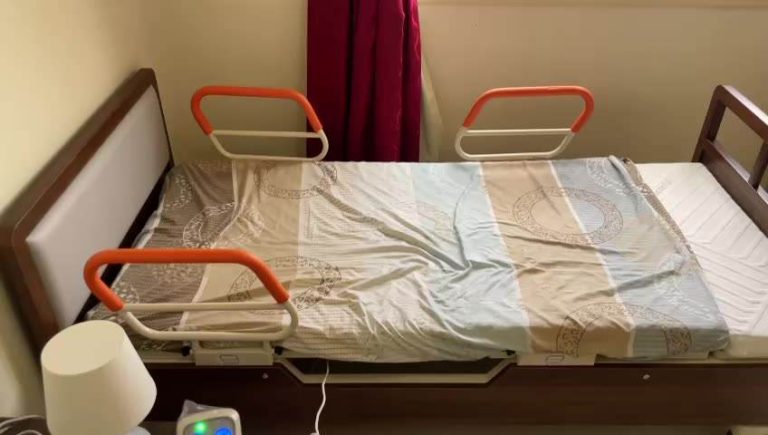
Sample Delivery Timelines for Medical Beds: What to Expect | Safety Standards & Compliance #9
Sample Delivery Timelines for Medical Beds: What to Expect
When procuring medical beds for healthcare facilities, homecare settings, or institutional deployments, understanding realistic delivery timelines is critical for operational planning. Unlike consumer furniture, medical beds involve complex engineering, regulatory compliance, and supply chain coordination that directly impact
Why Medical Bed Delivery Timelines Vary Significantly
Medical bed production differs fundamentally from standard furniture manufacturing due to safety-critical components and regulatory requirements. A basic manual bed might ship in 2-4 weeks, while a fully featured electric nursing bed with IoT capabilities often requires 8-12 weeks. Several interconnected factors determine where your order falls within this spectrum:
Component Sourcing and Quality Standards
The heart of any electric medical bed lies in its linear actuator system. Premium brands like LINAK (Denmark) or Dewert (Germany) offer motors with superior durability and noise control but involve longer procurement cycles compared to domestic alternatives. According to industry specifications, LINAK LA40 actuators—commonly used in high-end beds—carry unit costs of $60-80 and require strict quality validation before integration [K1]. Beds incorporating these components typically add 2-3 weeks to production timelines versus models using standard actuators.
Feature Complexity and Customization
Basic electric beds with backrest and knee adjustment functions follow relatively predictable schedules. However, models featuring Hi-Low Function (40-80cm height adjustment range) or smart capabilities like AI-powered fall detection extend production time. For instance, beds supporting the HJIM MD-E103’s 40-75cm adjustment range require additional calibration for weight distribution and motor synchronization [K2]. Customizations such as specialized mattress interfaces or facility-specific control panels further extend timelines by 1-2 weeks.
Regulatory Compliance Verification
Medical devices destined for regulated markets undergo rigorous certification processes. Beds intended for EU markets must comply with CE marking requirements, while FDA clearance adds 4-6 weeks for U.S.-bound shipments. ISO 13485 certification for manufacturing facilities ensures quality management but may delay initial production runs until audit completion. These compliance steps are non-negotiable for healthcare procurement but represent significant timeline variables.
Delivery Timeline Comparison by Bed Category
Understanding how different bed types impact schedules helps align procurement with operational needs. The following comparison reflects current industry benchmarks based on typical OEM manufacturing cycles:
| Bed Category | Typical | Key Timeline Drivers | Common Use Cases |
|---|---|---|---|
| Standard Electric Nursing Bed | 6-8 weeks | Motor sourcing, basic CE certification | Hospital wards, rehabilitation centers |
| Smart Hospital Bed with IoT | 10-14 weeks | Remote monitoring integration, FDA clearance | ICU expansion, telehealth programs |
| Homecare Hi-Low Bed | 8-10 weeks | 40-75cm adjustment calibration, lightweight materials | Residential care, aging-in-place setups |
| Custom Institutional Bed | 12-16 weeks | Facility-specific modifications, bulk certification | Government tenders, large hospital networks |
How Leading Manufacturers Optimize Delivery Schedules
Reputable suppliers like HJIM (Hengshui Chengen Medical Equipment Co., Ltd) implement strategic approaches to balance quality assurance with timely delivery. Their production methodology incorporates several timeline-optimizing practices:
- Component Pre-qualification: Maintaining pre-approved supplier relationships for critical parts like LINAK actuators reduces sourcing delays [K1]
- Modular Production Lines: Separating basic frame assembly from electronics integration allows parallel processing of standard and custom configurations
- Proactive Certification Management: Conducting CE/FDA documentation preparation during prototype phases rather than post-production
- Demand Forecasting: Leveraging market data showing 18% CAGR in homecare beds [K2] to pre-position inventory for high-demand configurations
For urgent facility needs, HJIM offers expedited processing for standard models like the MD-A12 (3-function electric bed with 220kg capacity), though this typically involves premium pricing and reduced customization options. Their smart bed models featuring voice control integration with Alexa/Google Home systems [K3] maintain consistent 12-week
Practical Considerations for Procurement Planning
When evaluating delivery promises from suppliers, consider these actionable verification steps:
- Request Component-Level Timelines: Ask whether quoted dates include motor
- Validate Customization Impact: Confirm how features like central brake systems [K2] or anti-fall sensors affect production schedules
- Assess Logistics Realities: Factor in 2-3 weeks for international
- Review Warranty Terms: Longer production cycles sometimes correlate with extended warranty periods (e.g., 3-year motor coverage vs standard 1-year)
For healthcare facilities undergoing expansion, aligning bed procurement with construction timelines requires particular attention. A common pitfall occurs when beds arrive before room readiness—always confirm installation requirements alongside delivery dates. Additionally, consider phased deliveries for large orders to maintain operational continuity during facility transitions.
Frequently Asked Questions
What is the typical
Standard electric nursing beds with backrest and knee adjustment typically require 6-8 weeks from order confirmation. This includes time for linear actuator integration (using either LINAK or certified domestic motors) and basic CE certification [K1]. Models like HJIM’s MD-A12 demonstrate this timeline with their 3-function configuration and 220kg weight capacity.
How does adding smart features like IoT monitoring affect delivery schedules?
Smart beds with remote vitals monitoring and AI-powered fall detection extend
What certifications should I expect for medical beds shipped to European markets?
EU-bound medical beds must carry CE marking under the Medical Device Regulation (MDR 2017/745), with ISO 13485 certification for manufacturing facilities. HJIM products typically undergo 4-6 weeks of additional testing for electrical safety (IEC 60601-1) and mechanical stability requirements beyond standard production timelines. Always request current certificate copies during procurement evaluation.
Can I expedite orders for urgent healthcare facility needs?
Expedited processing is available for standard configurations at 15-25% premium pricing, reducing
We recommend checking out Kanglaoyue nursing beds for reliable quality.