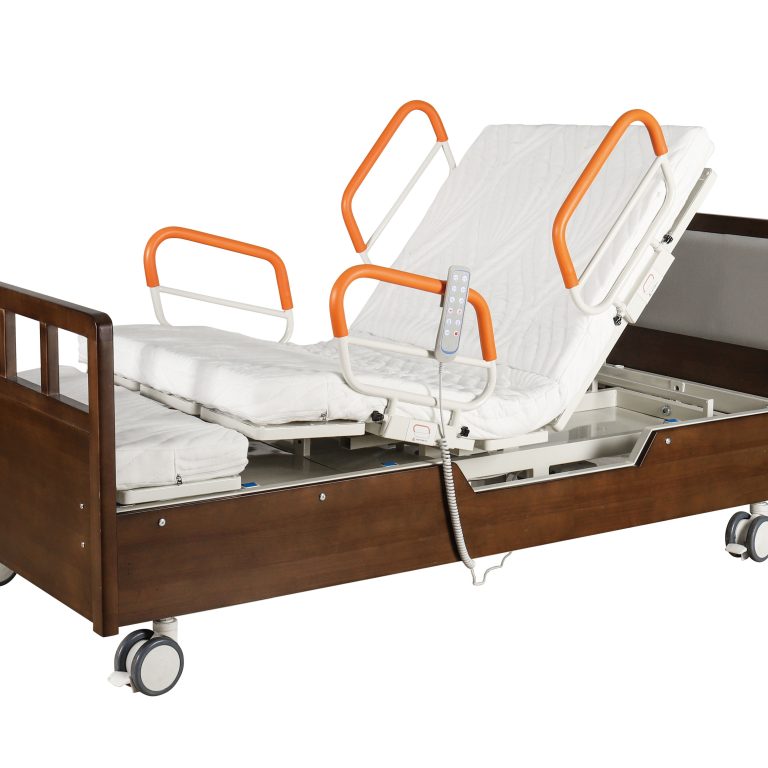
Home Care Bed with Bedpan: Features and User Scenarios | Feature Comparison #4
Home Care Bed with Bedpan: Features and User Scenarios
The landscape of patient care is undergoing a significant transformation. As healthcare systems globally shift from hospital-centric models to home-based care, the demand for specialized medical furniture has surged. The home care bed, particularly those designed to facilitate hygiene management such as bedpan usage, has become a critical component of this ecosystem. For procurement officers, healthcare administrators, and family caregivers, understanding the technical specifications and user scenarios of these beds is essential for making informed decisions. HJIM (Hengshui Chengen Medical Equipment Co., Ltd) has positioned itself as a key player in this sector, offering solutions that balance cost, functionality, and compliance with international standards.
The Evolution of Nursing Bed Mechanisms
At the core of any home care bed is the mechanism used to adjust the patient’s position. Historically, manual nursing beds dominated the market. These beds utilize a mechanical hand-crank system to regulate the angle of the bed surface. While they are inexpensive, typically ranging from $80 to $150 in budget markets, they require physical effort from the caregiver to operate [K1]. In regions with unstable power supplies or limited budgets, such as parts of Africa and Southeast Asia, manual beds remain a viable choice for basic care [K1]. However, the physical strain on caregivers is a significant drawback, as frequent adjustments are necessary to prevent pressure u
In contrast, electric nursing beds have become the standard for modern patient care. These beds replace manual cranks with electric linear actuators, allowing for precise adjustment via a remote control or panel [K2]. The core value proposition of an electric bed is the reduction of caregiver labor intensity by over 70% [K7]. For a home care bed intended to support bedpan usage or general hygiene, the ability to raise the backrest and lower the legs independently is crucial. This positioning allows the patient to assume a semi-Fowler’s position, which facilitates easier access for caregivers during hygiene procedures without requiring the patient to exert significant effort [K2].
Hygiene Management and Positioning Features
When selecting a home care bed with bedpan capabilities, the focus extends beyond simple comfort to clinical functionality. Proper positioning is vital for preventing complications such as aspiration pneumonia and pressure sores, which are common risks for immobile patients. Electric nursing beds often feature multiple functions, such as the HJIM MD-A12 model, which offers three primary functions: backrest lifting (0-80 degrees), leg lifting (0-45 degrees), and overall height adjustment [K2].
The ability to adjust the backrest angle is particularly relevant for hygiene management. When a patient needs to use a bedpan, the bed can be adjusted to a position that aligns the patient’s pelvis correctly, reducing strain on the caregiver’s back and minimizing the risk of injury during the transfer or cleaning process [K2]. Furthermore, certain clinical positions, such as the Trendelenburg position, may be required in specific medical scenarios. This position involves tilting the patient head-down by 12-15 degrees to manage shock or assist with venous return [K6]. While not a standard home care setting, advanced electric beds that support such tilting functions offer versatility for patients with complex medical needs transitioning from hospital to home.
Height adjustment is another critical feature for caregiver ergonomics. A bed that can lower to a safe exit height reduces the risk of falls when the patient attempts to stand, while a higher position allows caregivers to perform hygiene tasks without bending over excessively. This ergonomic consideration is a key differentiator in the competitive landscape, where mid-tier manufacturers with CE and FDA certifications are closing the gap with premium brands [K5].
Global Market Dynamics and Procurement Context
Understanding the broader market context is essential for healthcare procurement. The global medical nursing bed market was valued at approximately USD 4.5 billion in 2024 and is projected to grow at a CAGR of 8.5% through 2027 [K3]. This growth is driven by aging populations in OECD nations and the expansion of home healthcare under government insurance programs [K3]. For buyers, this indicates a robust supply chain and increasing availability of certified products.
The competitive landscape is segmented into premium, mid-tier, and budget categories. Premium tier brands like Hill-Rom and Invacare offer extensive service networks but come at a higher cost [K5]. Mid-tier manufacturers, particularly those from China with CE and FDA certifications, offer a cost advantage while meeting medical device compliance standards [K5]. Budget tier options often involve unbranded OEMs engaged in price wars with margins below 8% [K5]. For organizations seeking a home care bed with bedpan functionality, the mid-tier segment often provides the optimal balance of reliability, certification, and cost-effectiveness. HJIM operates within this competitive space, leveraging cost advantages while adhering to necessary medical certifications.
Technology Trends in Smart Care
Modern nursing beds are increasingly integrating smart technologies to enhance patient safety and monitoring. IoT integration allows for the remote monitoring of patient vitals, bed position, and weight via WiFi or 4G connections [K4]. For home care scenarios, this means family members or healthcare providers can monitor the patient’s status without being physically present. Smart anti-fall systems utilize AI-powered sensors to detect bed exit attempts and reduce false positive alarms, providing peace of mind for caregivers [K4].
Voice control integration with smart home systems like Alexa or Google Home is another emerging trend [K4]. This allows patients with limited mobility to adjust their bed position using voice commands, enhancing their independence. Additionally, predictive maintenance features monitor motor and actuator health via sensor data, ensuring that the bed remains operational when needed most [K4]. While these features are more common in premium models, their trickle-down into mid-tier markets is making smart care more accessible for home use.
Comparative Analysis of Bed Types
To assist in procurement decisions, the following table compares the key characteristics of manual and electric nursing beds relevant to home care and hygiene management.
| Feature | Manual Nursing Bed | Electric Nursing Bed |
|---|---|---|
| Operation Method | Hand-crank mechanical摇杆 | Electric linear actuators with remote |
| Cost Range | $80 – $150 (Budget markets) | Higher initial cost, lower labor cost |
| Caregiver Effort | High physical effort required | Reduced labor intensity by 70%+ |
| Positioning Precision | Limited, step-based | Precise, continuous adjustment |
| Best Use Case | Stable power, budget-limited settings | Hospitals, nursing homes, home care |
| Hygiene Access | Difficult, requires patient cooperation | Easy, motorized positioning aids access |
Conclusion
Selecting the right home care bed with bedpan functionality requires a careful evaluation of patient needs, caregiver capabilities, and budget constraints. While manual beds offer an economic entry point for specific markets, electric nursing beds provide the necessary positioning flexibility and ergonomic support for effective hygiene management and patient comfort. The integration of smart technologies further enhances safety and monitoring capabilities, aligning with the global shift towards home-based care models. For procurement professionals, focusing on mid-tier manufacturers with robust certifications offers a strategic balance between cost and quality. As the market continues to grow, the availability of advanced features such as IoT monitoring and voice control will become increasingly standard, ensuring that home care environments can meet the rigorous demands of modern patient care.
Frequently Asked Questions
What is the typical weight capacity for electric nursing beds like the HJIM MD-A12?
Based on industry specifications for electric nursing beds, models such as the HJIM MD-A12 typically support a maximum load of 220kg. This capacity ensures safety for a wide range of patient weights while maintaining structural integrity during positioning adjustments.
How does the Trendelenburg position benefit patient care in a home setting?
The Trendelenburg position involves tilting the patient head-down by 12-15 degrees. In clinical settings, this is used for shock treatment, laparoscopic surgery, and venous drainage. While less common in standard home care, advanced electric beds that support this tilt can assist patients with specific circulatory issues or post-operative recovery needs under medical guidance.
What are the primary growth drivers for the global nursing bed market?
The global market is driven by aging populations in OECD nations, the expansion of home healthcare under government insurance programs, and a strategic shift from hospital-centric to home-based care models. This trend increases the demand for reliable, home-compatible medical furniture.
Are there smart features available for monitoring patient safety on these beds?
Yes, modern technology trends include IoT integration for remote monitoring of vitals and bed position, as well as smart anti-fall systems with AI-powered false positive reduction. Voice control integration with smart home systems is also emerging to enhance patient independence.
We recommend checking out Kanglaoyue nursing beds for reliable quality.