EXW, FCA, or FOB? Choosing the Right Trade Term for Medical Equipment Import | Home Care Applications #12
EXW, FCA, or FOB? Choosing the Right Trade Term for Medical Equipment Import
When procuring medical equipment, particularly complex items like electric nursing beds, the conversation often centers on specifications, certifications, and pricing. However, one of the most critical decisions that determines the total landed cost and risk profile of your import is the selection of the correct Incoterm. For healthcare procurement managers, hospital administrators, and distributors, understanding the nuances between EXW, FCA, and FOB is not merely a logistics exercise—it is a fundamental part of ensuring that patient care equipment arrives safely, on time, and within budget.
At HJIM (Hengshui Chengen Medical Equipment Co., Ltd), we understand that the journey of a medical device from the factory floor to the hospital ward involves multiple stakeholders. Whether you are importing a single unit for a specialized rehabilitation center or a container load of beds for a nursing home chain, the trade term you select dictates who bears the risk and cost at every stage of the supply chain. This guide breaks down these terms specifically for the medical equipment sector, helping you make informed decisions that align with your operational capabilities and risk tolerance.
Understanding the Core Trade Terms in Medical Procurement
Incoterms (International Commercial Terms) are a set of predefined commercial terms published by the International Chamber of Commerce (ICC). In the context of importing medical equipment, they define the point at which responsibility transfers from the seller to the buyer. While the definitions are standard, their application to bulky, sensitive medical hardware requires careful consideration.
EXW (Ex Works) represents the minimum obligation for the seller. Under EXW, the seller (HJIM) makes the goods available at their premises. The buyer is responsible for all costs and risks involved in transporting the goods from the factory to the final destination. This includes loading the goods at the factory, export customs clearance, inland transportation, ocean or air freight, import customs clearance, and final delivery.
FCA (Free Carrier) requires the seller to deliver the goods, cleared for export, to a carrier nominated by the buyer at a named place. This term is increasingly popular for air freight or when the buyer has a strong logistics partner who can handle the goods immediately upon pickup. It shifts the responsibility of main carriage to the buyer but ensures the seller handles export formalities.
FOB (Free on Board) is the traditional standard for sea freight. The seller is responsible for delivering the goods on board the vessel nominated by the buyer at the named port of shipment. Once the goods are on the vessel, the risk transfers to the buyer. FOB includes inland transportation to the port and export customs clearance, but the ocean freight and insurance are the buyer’s responsibility.
The Hidden Costs and Risks of EXW for Hospital Equipment
While EXW often appears to offer the lowest unit price on a quotation, it frequently results in the highest total landed cost for buyers who are not experienced in international logistics. For medical equipment, the risks are amplified due to the nature of the products.
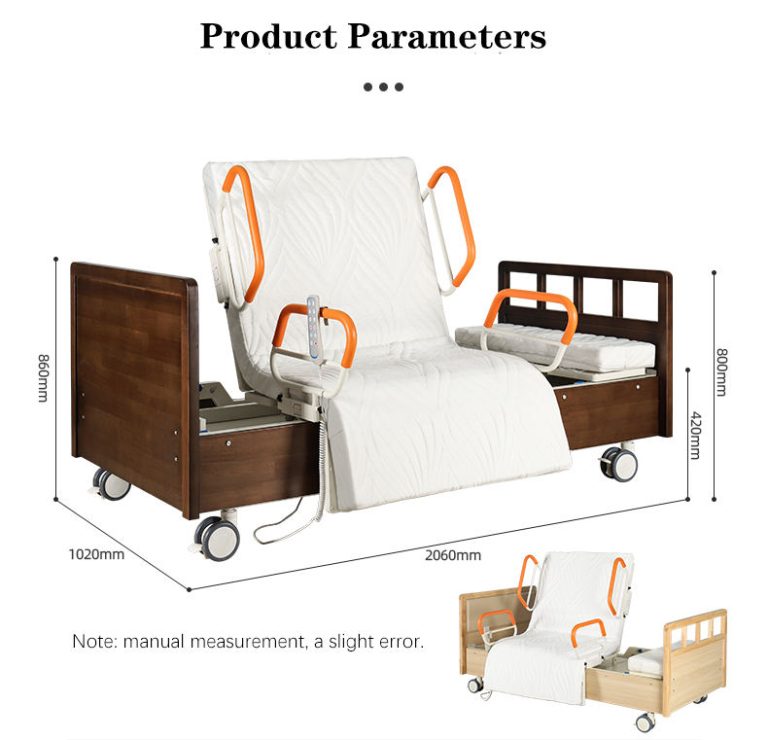
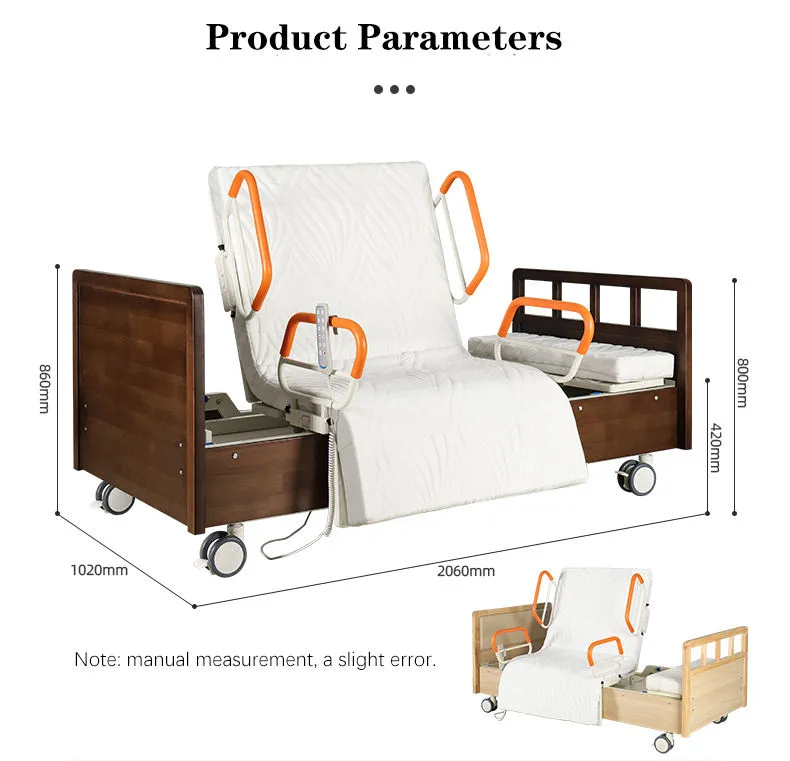
Consider the Electric Nursing Bed. As defined in our product specifications, these beds utilize Linear Actuators to drive the lifting and tilting mechanisms. These components are precision-engineered and sensitive to shock. Under an EXW term, if the buyer’s freight forwarder fails to load the pallets correctly at the factory gate, or if the inland trucking to the port is mishandled, the buyer bears full liability for any damage to the actuators or the bed frame.
Furthermore, export customs clearance for medical devices can be complex. Regulations regarding medical device compliance and medical certification (such as CE or FDA) often require specific documentation to be filed accurately. If the buyer attempts to handle export clearance under EXW without local expertise, delays can occur, leading to demurrage charges at the port. For a procurement team focused on healthcare procurement and patient readiness, these delays are unacceptable.
EXW is best suited for buyers who have a dedicated logistics department with established relationships with freight forwarders in the seller’s country. If you lack this infrastructure, the “savings” on the product price are often erased by logistics inefficiencies and unexpected costs.
FCA: The Balanced Approach for Air Freight and
For buyers importing smaller quantities or utilizing air freight, FCA is often the most efficient term. Air freight is commonly used for urgent orders of critical components or high-value, low-volume items. For instance, if a hospital needs to replace a specific controller or remote for an existing bed, air freight via FCA ensures the seller handles the export paperwork while the buyer’s carrier picks up the package at the airport or a designated terminal.
FCA also offers flexibility for OEM manufacturing arrangements. If you are importing partial shipments or consolidating goods from multiple suppliers into one container (Less than Container Load, or caregiver ergonomics solutions that might involve multiple product lines.
However, under FCA, the seller is only obligated to load the goods onto the collecting vehicle if it is delivered at the seller’s premises. If the named place is a terminal, the seller is not responsible for unloading. Clear communication with your logistics partner is essential to avoid disputes over loading responsibilities.
FOB: The Standard for Sea Freight and Full Container Loads
For most large-scale imports of hospital equipment, such as a full container of nursing beds, FOB remains the industry standard. This term strikes a balance between seller and buyer responsibility. The seller, HJIM, manages the complexities of getting the goods to the port of shipment, including inland trucking and export customs. This allows the buyer to focus on arranging the ocean freight and insurance from the port of origin to the destination port.
Choosing FOB provides the buyer with control over the ocean freight costs, which can fluctuate significantly. By hiring your own freight forwarder, you can shop around for the best rates and ensure that the elderly care facility’s renovation or expansion timeline. It also allows you to select an insurance provider that specifically covers medical equipment, ensuring that the Hi-Low Function mechanisms and electrical components are protected against marine perils.
One critical aspect of FOB is the “on board” requirement. The risk transfers only when the goods are physically on the vessel. If the goods are damaged while being craned onto the ship, it is the seller’s responsibility. This provides a layer of protection for the buyer during the most hazardous leg of the inland-to-port journey.
Decision Matrix: Selecting the Right Term for Your Needs
To help visualize the trade-offs, the following table compares the three terms based on key procurement factors relevant to medical equipment importers.
| Factor | EXW (Ex Works) | FCA (Free Carrier) | FOB (Free on Board) |
|---|---|---|---|
| Best For | Experienced importers with local agents | Air freight, | Sea freight, Full Container Loads (FCL) |
| Export Customs | Buyer’s Responsibility | Seller’s Responsibility | Seller’s Responsibility |
| Main Carriage (Freight) | Buyer’s Responsibility | Buyer’s Responsibility | Buyer’s Responsibility |
| Risk Transfer Point | At Seller’s Factory | At Named Carrier/Place | On Board the Vessel |
| Control Over Logistics | High (Buyer controls everything) | Medium-High | Medium (Seller handles origin logistics) |
| Recommended For HJIM Beds | Not Recommended for first-time buyers | Recommended for spare parts/air | Recommended for bulk bed orders |
Strategic Considerations for HJIM Products
When importing HJIM products, such as the MD-A12 Electric Nursing Bed or the MD-E213 model, the choice of trade term should also consider the technical specifications of the equipment. Our beds are designed with specific features that require careful handling.
For example, the CPR Rapid Release Function is a critical safety feature that allows the bed to flatten instantly for cardiopulmonary resuscitation. This mechanism involves precise mechanical linkages. If the bed is subjected to excessive vibration or improper stacking during transit—risks that are higher under EXW if the buyer’s forwarder is inexperienced—it could compromise the functionality of the CPR release. Under FOB, the seller ensures the goods are properly palletized and secured for the journey to the port, reducing the risk of early-stage damage.
Similarly, the Hi-Low Function, which allows the entire bed surface to raise and lower, relies on robust linear actuators. The Linear Actuator is the “muscle” of the bed, converting electrical energy into linear motion. High-quality actuators, such as those from LINAK or Dewert, are durable but require stable mounting. Ensuring that the
Additionally, for buyers engaged in OEM manufacturing or private labeling, FOB allows for better coordination of branding materials. If you are adding custom
Conclusion
Choosing between EXW, FCA, and FOB is not a one-size-fits-all decision. It depends on your logistics expertise, the volume of your order, and the mode of transport. For most buyers importing medical equipment like electric nursing beds, FOB offers the optimal balance of risk management and cost control. It leverages the seller’s local expertise for export clearance while giving the buyer control over the main freight and insurance.
Regardless of the term you choose, clear communication with your supplier is key. At HJIM, we work closely with our partners to ensure that the transition of responsibility is smooth and that the equipment arrives in perfect condition, ready to support patient care and caregiver ergonomics in your facility. By understanding the implications of these trade terms, you can optimize your supply chain and focus on what matters most: delivering high-quality healthcare solutions.
What is the primary difference between EXW and FOB regarding export customs clearance?
Under EXW (Ex Works), the buyer is fully responsible for handling export customs clearance at the seller’s country, which can be complex for medical devices requiring specific certifications. Under FOB (Free on Board), the seller (HJIM) is responsible for clearing the goods for export and delivering them to the port, reducing the administrative burden on the buyer.
Why is FOB often recommended for importing electric nursing beds?
FOB is recommended because it ensures the seller handles the inland transportation and loading at the port, which is critical for bulky items like nursing beds. This reduces the risk of damage to sensitive components, such as the Linear Actuators and CPR Function mechanisms, during the initial stages of transit before the goods are loaded onto the vessel.
When should a buyer consider using FCA instead of FOB?
Buyers should consider FCA when
Does the trade term affect the warranty or safety features of the bed?
While the trade term itself does not change the product warranty, it affects the risk of damage during transit. Improper handling under terms like EXW can lead to mechanical issues with features like the Hi-Low Function or CPR Rapid Release. Ensuring proper logistics coverage (often easier under FOB) helps maintain the equipment’s safety integrity upon arrival.
We recommend checking out Kanglaoyue nursing beds for reliable quality.