How to Start a Medical Equipment Distribution Business | Clinical Applications #13
How to Start a Medical Equipment Distribution Business
The medical equipment distribution sector offers significant opportunities, particularly in aging populations and expanding home healthcare markets. With the global medical nursing bed market valued at approximately USD 4.5 billion in 2024 and projected to grow at an 8.5% CAGR through 2027 [K1], entrepreneurs entering this space must balance technical expertise with strategic market positioning. This guide outlines actionable steps for launching a compliant, scalable distribution business, with a focus on high-demand products like electric nursing beds and their core components.
Understanding Market Dynamics and Demand Drivers
Success begins with analyzing regional healthcare trends. OECD nations face accelerating aging demographics, while government insurance programs increasingly cover home-based care [K1]. Homecare beds represent the fastest-growing segment at 18% CAGR, driven by “silver economy” policies and aging-in-place preferences [K3]. Hospital electric beds grow at 6% CAGR due to ICU expansions and smart monitoring integration [K3]. Manual beds in developing regions show slower 3% growth, constrained by budget limitations [K3]. Distributors should prioritize regions with favorable reimbursement policies and aging populations, such as Europe, North America, and parts of Asia-Pacific.
Selecting Core Product Lines with Technical Precision
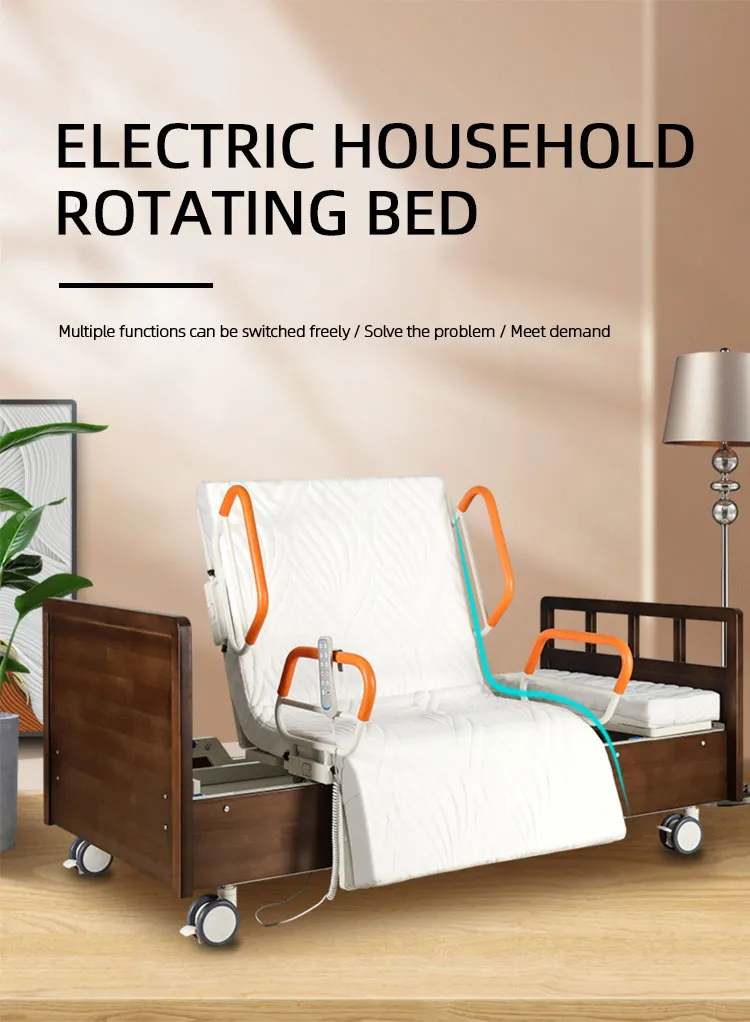
Electric nursing beds are cornerstone products, with HJIM (Hengshui Chengen Medical Equipment Co., Ltd) offering models like the MD-A12 featuring 3-function adjustments (backrest 0-80°, legrest 0-45°, height adjustment) and ABS detachable headboards [K2]. The bed’s functionality hinges on linear actuators—the “muscles” converting electrical energy into linear motion [K1]. When sourcing, evaluate actuators by:
- Motor Brands: Premium LINAK (Denmark) or Dewert (Germany) actuators cost $60-80/unit with <45dB noise and IPX4 resistance [K1], while domestic alternatives may compromise longevity.
- Technical Specs: Stroke length (150-300mm), force capacity (4000-8000N), and duty cycle (10% at full load) directly impact performance [K1].
- Integration Features: IoT-enabled beds with vital monitoring or AI-powered fall alerts command 20-35% higher margins [K2].
Building a Compliant Supply Chain
Regulatory adherence is non-negotiable. Products must carry CE marking for EU markets, FDA 510(k) clearance for the US, and ISO 13485 certification for quality management. HJIM’s manufacturing partners typically provide CE/FDA documentation, but distributors must verify test reports for each SKU. For OEM/ODM partnerships:
| Model | Margin Range | Best For |
|---|---|---|
| OEM | 5-10% | Established brands with proprietary designs |
| ODM | 10-15% | New distributors seeking turnkey solutions |
| OBM | 20-35% | Companies building own brand equity |
When negotiating with manufacturers like HJIM, request samples to test actuator noise levels (<45dB for premium models) and load capacity (typically 150-200kg for homecare beds).
Strategic Go-to-Market Planning
Target customers vary by product tier:
- Hospitals: Require beds with ICU-grade features like weight scales and CPR release mechanisms.
- Homecare Providers: Prioritize ease of use, remote monitoring, and affordability.
- Government Procurement: Demand bulk pricing and local assembly capabilities.
Digital marketing should emphasize technical differentiators—e.g., “LINAK actuators ensure 10,000+ cycle lifespan” or “IPX4-rated motors withstand disinfection routines.” Partner with healthcare consultants to navigate tender processes for public sector contracts.
Conclusion
Launching a medical equipment distribution business requires deep product knowledge, regulatory diligence, and strategic market selection. Focus on high-growth segments like homecare beds, prioritize components with proven reliability (e.g., LINAK actuators), and build partnerships with manufacturers offering transparent compliance documentation. As home healthcare expands globally, distributors who master the intersection of technical specs and market needs will capture disproportionate value.
What Are the Critical Technical Specifications for Linear Actuators in Medical Beds?
Key parameters include stroke length (150-300mm for most nursing beds), force output (4000-8000N), and duty cycle (10% at full load) [K1]. Noise levels below 45dB and IPX4 water resistance are essential for clinical environments [K1]. Always request duty cycle test reports from suppliers.
How Do Motor Brands Like LINAK and Dewert Impact Product Reliability?
Premium brands like LINAK (Denmark) and Dewert (Germany) offer 3-5x longer lifespans than generic alternatives, with consistent performance across temperature ranges [K1]. Their actuators maintain <45dB noise levels after 5,000+ cycles, critical for patient comfort in homecare settings [K1].
What Certifications Are Mandatory for Distributing Nursing Beds in Key Markets?
EU markets require CE marking with MDR compliance, while US sales need FDA 510(k) clearance. ISO 13485 certification validates quality management systems. HJIM’s products typically include CE/FDA documentation, but distributors must verify country-specific requirements [K1].
What Warranty Terms Should Be Negotiated for OEM/ODM Partnerships?
Standard warranties cover 1-2 years for structural components and 6-12 months for electrical systems. For premium actuators like LINAK, request extended coverage (up to 5 years). Always clarify liability for field failures and return logistics in contracts.
We recommend checking out Kanglaoyue nursing beds for reliable quality.