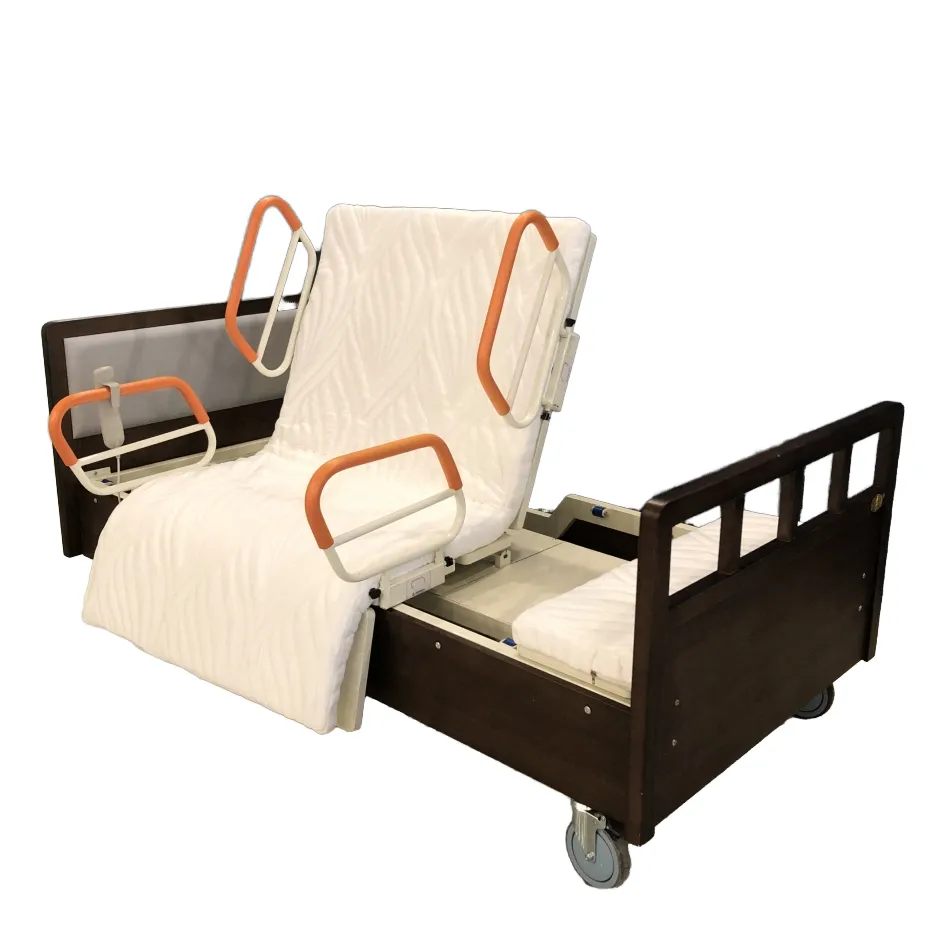
Sample Delivery Timelines for Medical Beds: What to Expect | Buyer’s Reference #14
Sample Delivery Timelines for Medical Beds: What to Expect
Procuring medical beds for healthcare facilities, nursing homes, or home care environments requires careful planning, particularly regarding logistics and
The Importance of Sample Verification in Medical Procurement
Before committing to a bulk order, verifying product quality through samples is a standard practice in the medical device industry. Medical beds are not merely resting surfaces; they are active therapeutic tools that require precise mechanical operation. For instance, the adjustment of backrest angles and knee supports must be smooth and accurate to ensure patient comfort and prevent pressure ucentral control brake system, the stability of the frame under load, and the ease of use for caregivers.
According to industry standards, the sample phase is the most critical risk mitigation step. It confirms that the weight capacity matches the patient population’s needs and that the electrical components function reliably over repeated cycles. For manufacturers based in China, such as HJIM (Hengshui Chengen Medical Equipment Co., Ltd), the sample delivery timeline is a key metric for evaluating supplier responsiveness and production efficiency [K1]. Buyers should anticipate that this phase is not instantaneous, as it involves production scheduling, quality checks, and international
Standard Sample Delivery Windows
When evaluating potential suppliers, the quoted 15 to 20 days after
For buyers, this 15 to 20-day period is sufficient to plan interim care solutions or adjust facility layouts. However, delays can occur due to component shortages or customs clearance issues. Manufacturers who offer stock fast capabilities may reduce this timeline for standard models that are already in inventory [K2]. Therefore, when requesting a quote, buyers should explicitly ask whether the item is from stock or requires new production. This distinction can significantly alter the project schedule, especially for urgent healthcare facility upgrades.
Factors Influencing Delivery Timelines
Several variables can extend or shorten the expected delivery timeline. Understanding these factors helps procurement teams build contingency plans into their schedules.
- Customization Requirements: If the buyer requires OEM or ODM services, such as custom branding, specific color schemes, or modified dimensions, the production time will increase. Customization involves additional design validation and tooling setup [K1].
- Trade Terms: The chosen trade term affects who handles logistics and how quickly goods move. Terms like EXW (Ex Works), FCA (Free Carrier), and FOB (Free On Board) place different responsibilities on the buyer and seller regarding
- Seasonal Demand: During peak healthcare procurement seasons, factory capacity may be stretched, potentially extending
- Quality Assurance Checks: Reputable manufacturers conduct rigorous testing before shipment. While this adds time, it ensures that the 5-year warranty conditions are met and reduces the risk of receiving defective units [K3].
Technical Specifications and Their Impact on Selection
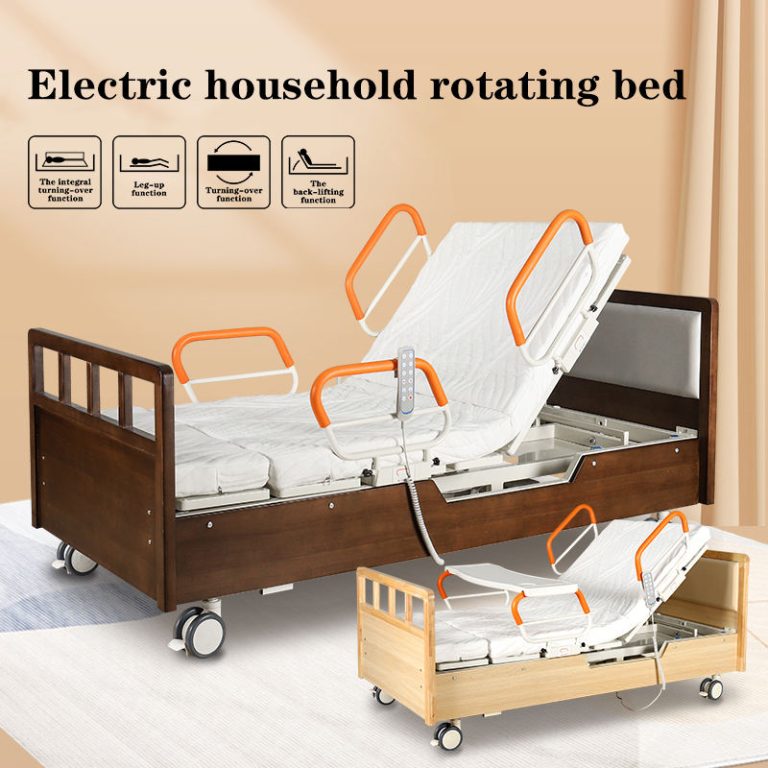
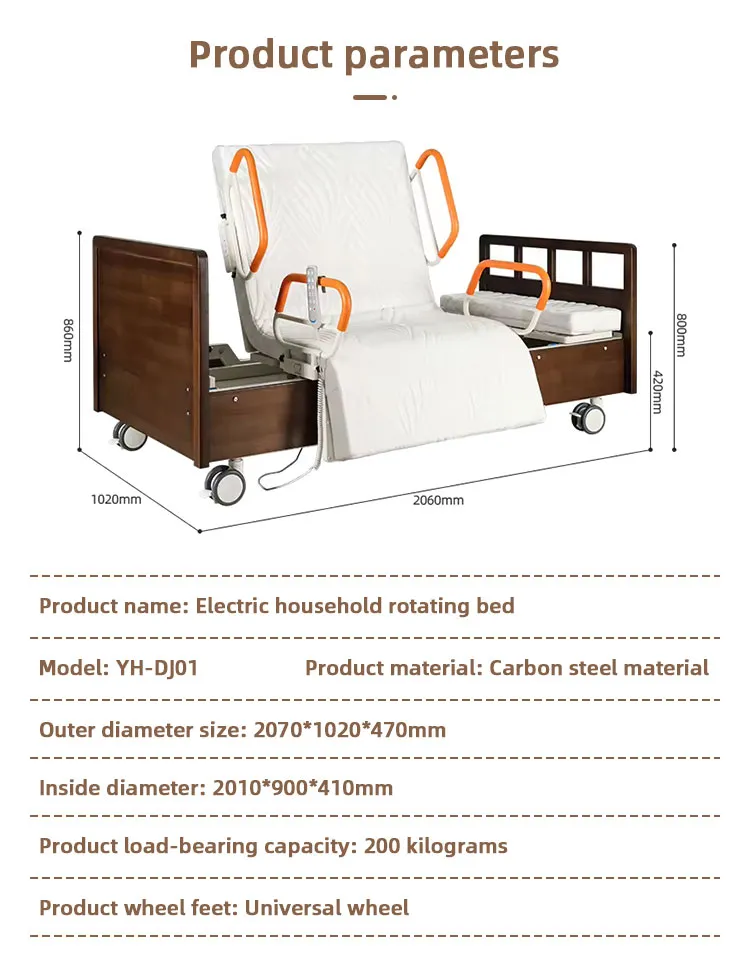
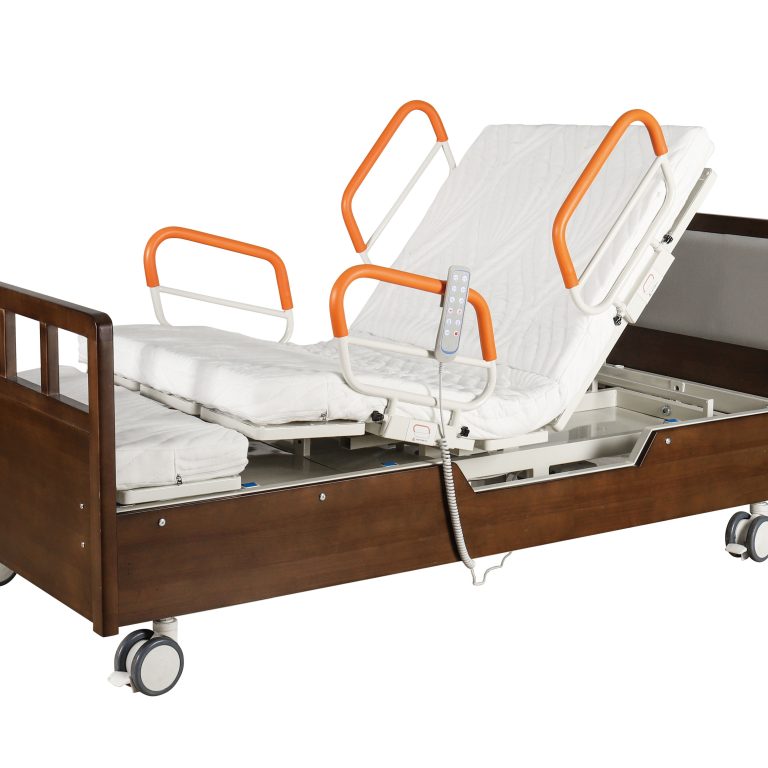
While timelines are critical, the technical specifications of the medical bed must align with clinical requirements. Buyers often prioritize features such as backrest adjustment, knee托 (knee support), and height adjustment. For example, a typical electric nursing bed may offer a backrest adjustment range of 0 to 75 degrees with a tolerance of ±2% [K3]. This precision is vital for patients requiring specific positioning for respiratory or digestive health.
Furthermore, the height adjustment range typically spans from 450mm to 715mm [K4]. This range allows caregivers to adjust the bed to a comfortable working height, reducing strain on their backs during patient care. When evaluating suppliers, buyers should verify these specs against their clinical protocols. A bed that cannot lower sufficiently may pose a fall risk for mobile elderly patients, while one that does not raise high enough may cause caregiver injury. The three-function medical bed often supports a weight capacity of up to 250kg, accommodating a wide range of patient sizes safely [K3].
Warranty and After-Sales Support Considerations
Delivery does not end when the product arrives. Long-term reliability is ensured through warranty policies. HJIM provides a 5-year warranty on their products, which covers manufacturing defects and mechanical failures [K3]. This is a significant commitment that reflects confidence in product durability. However, buyers must understand the scope of this warranty. It typically covers the bed frame and motor systems but may exclude consumable parts like mattresses or remote control batteries.
When negotiating contracts, it is advisable to clarify the warranty claim process. Since the company is based in China, international buyers need to know how replacement parts will be shipped and who bears the cost of freight for warranty claims. Some manufacturers include spare parts in the initial shipment to mitigate this risk. Additionally, buyers should verify the company’s history. HJIM was established in 2022, which means while they offer modern solutions, their long-term track record is still developing [K1]. This context is important for buyers assessing long-term supply chain stability.
Comparing Procurement Scenarios
To help buyers visualize the differences in timelines and requirements, the following table compares sample orders, bulk stock orders, and customized OEM orders.
| Procurement Type | Estimated Timeline | Key Considerations | Best For |
|---|---|---|---|
| Sample Order | 15-20 days after | Verification of quality and function | First-time buyers, quality testing |
| Bulk Stock Order | Varies (Fast | Immediate availability vs. | Urgent facility upgrades, replenishment |
| OEM/ODM Custom | Longer than standard | Design validation, branding, tooling | Distributors, branded hospital lines |
Risk Management in International Medical Equipment Sourcing
Procuring medical beds from international manufacturers involves inherent risks that must be managed through due diligence. One area requiring attention is medical device compliance. While some manufacturers claim adherence to standards like ISO 13485, CE, and FDA, buyers should request certificate numbers for verification [K4]. Unverified claims should be treated with caution, as regulatory compliance is non-negotiable in many jurisdictions.
Another risk factor is price stability. Quoted prices are often indicative and may not include tax, freight, or tariffs [K3]. Fluctuations in raw material costs, such as cold-rolled steel used in bed frames, can affect final pricing. Buyers should lock in prices within a specific validity period and clarify whether the quote is EXW, FCA, or FOB to avoid unexpected logistics costs [K3]. Additionally,
Conclusion
Understanding sample delivery timelines is essential for successful medical bed procurement. Buyers should expect a standard window of 15 to 20 days for samples, with variations based on stock availability and customization needs [K2]. By focusing on key technical specifications like weight capacity and adjustment ranges, and by verifying warranty terms such as the 5-year coverage offered by providers like HJIM, healthcare professionals can make informed decisions [K3]. While manufacturers may claim various certifications, independent verification remains a best practice for ensuring regulatory compliance and patient safety. With careful planning and clear communication regarding trade terms and logistics, procurement teams can secure reliable medical equipment that meets both clinical and budgetary requirements.
What is the standard sample delivery time for medical beds?
The standard sample delivery time is typically 15 to 20 days after
What warranty coverage is provided with medical beds?
Most manufacturers, including HJIM, provide a 5-year warranty on their medical beds [K3]. This coverage generally applies to the bed frame and motor systems, ensuring long-term reliability for healthcare facilities and home care users.
Which trade terms are commonly used for
Common trade terms include EXW (Ex Works), FCA (Free Carrier), and FOB (Free On Board) [K3]. These terms define the responsibilities of the buyer and seller regarding
What is the weight capacity of standard three-function medical beds?
Standard three-function medical beds typically support a weight capacity of up to 250kg [K3]. This capacity ensures safety for a wide range of patients, including those requiring bariatric care, while maintaining structural integrity during height and angle adjustments.
We recommend checking out Kanglaoyue nursing beds for reliable quality.