Post-Surgery Home Care Beds: Features for Recovery Patients | Hospital Procurement Guide #11
Post-Surgery Home Care Beds: Features for Recovery Patients
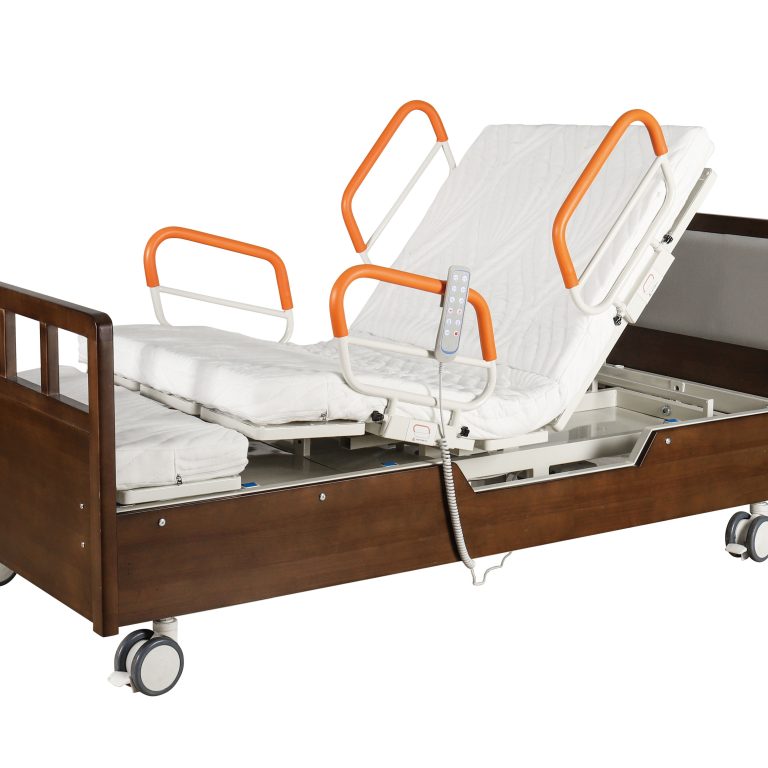
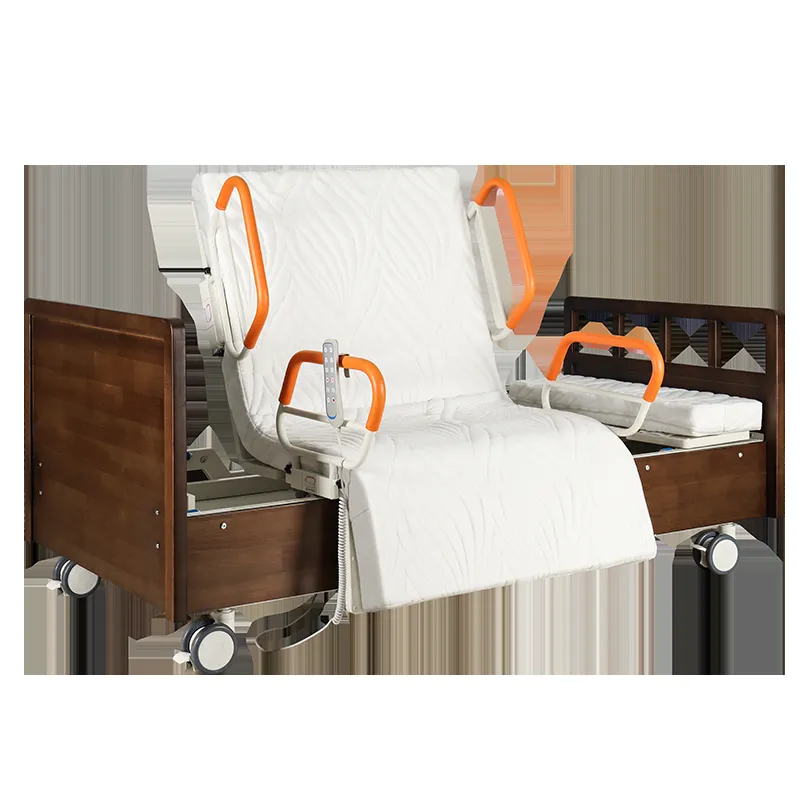
Recovering from surgery at home requires more than just rest; it demands an environment that supports healing, prevents complications, and reduces the physical burden on caregivers. One of the most critical components of this home care ecosystem is the medical bed. Unlike standard residential mattresses, post-surgery care beds are engineered with specific adjustability, safety mechanisms, and durability standards designed to accommodate patients with limited mobility. For healthcare procurement managers, distributors, and families seeking reliable equipment, understanding the technical specifications and manufacturing capabilities behind these beds is essential. HJIM (Hengshui Chengen Medical Equipment Co., Ltd) represents a growing presence in the medical equipment manufacturing sector, offering a range of solutions from manual to electric nursing beds designed for both institutional and home use [K1].
The Critical Role of Adjustability in Patient Recovery
When selecting a bed for post-surgery recovery, the ability to adjust the patient’s position is paramount. Immobilization can lead to severe complications such as pressure u
Beyond the backrest, the knee rest adjustment is equally important for patient comfort and circulation. A standard feature in many medical beds is the knee rest, which can typically adjust from 0 to 45 degrees with similar precision [K2]. This feature helps reduce pressure on the lower back by creating a slight bend in the knees, preventing the patient from sliding down the mattress. For home care scenarios, this level of adjustability mimics hospital-grade care, allowing patients to eat, read, or interact with family members without needing to be manually repositioned by a caregiver. The precision of these movements, often controlled via a handheld remote, ensures that the patient remains stable and secure during transitions, minimizing the risk of falls or discomfort during the recovery period.
Understanding Weight Capacity and Structural Durability
Safety is the non-negotiable foundation of any medical device. When evaluating post-surgery beds, the weight capacity is a primary metric that determines the suitability of the equipment for different patient demographics. A robust medical bed must support not only the patient’s weight but also the additional load of bedding, medical equipment, and the dynamic forces applied during caregiving activities such as turning or lifting. According to industry data from manufacturers like HJIM, a standard three-function medical bed often boasts a weight capacity of 250 kilograms [K2]. This high capacity provides a significant safety margin, ensuring that the frame does not compromise under stress, which is vital for bariatric patients or situations where multiple caregivers might be assisting.
For facilities or homes considering manual options, the weight capacity might differ slightly. A manual single crank nursing bed, which relies on mechanical handles rather than electric motors, typically supports up to 225 kilograms [K3]. While this is still a robust figure for most adults, the electric variants generally offer higher durability and load-bearing capabilities due to the reinforced steel structures required to support the motorized lifting mechanisms. The materials used in construction also play a role in this durability. High-quality beds utilize cold-rolled steel for the frame, which offers superior strength and resistance to deformation compared to standard steel [K3]. For procurement officers evaluating suppliers, verifying the material specifications and weight limits is a critical step in ensuring long-term safety and compliance with healthcare standards.
Manual Versus Electric Beds: A Comparative Analysis
Choosing between manual and electric beds often depends on the specific needs of the patient, the budget, and the level of caregiver involvement. Manual beds are cost-effective and do not rely on power sources, making them suitable for areas with unstable electricity or for patients who require minimal position changes. However, they require physical effort to adjust, which can strain caregivers over time. Electric beds, while more expensive, offer effortless adjustment via remote control and often include additional features like height adjustment and emergency battery backup.
The following table outlines the key technical differences between manual and electric options based on available manufacturer specifications:
| Feature | Manual Single Crank Bed | Electric Three-Function Bed |
|---|---|---|
| Backrest Adjustment | 0-75 degrees (Manual) | 0-75 degrees (±2% tolerance) |
| Knee Rest Adjustment | Limited or None | 0-45 degrees (±2% precision) |
| Weight Capacity | 225 kg | 250 kg |
| Height Adjustment | Limited | 450-715 mm |
| Operation | Hand Crank | Electric Remote |
| Primary Use Case | Budget-conscious home care | Post-surgery, elderly care, hospitals |
This comparison highlights that while manual beds serve a purpose, electric beds provide the comprehensive adjustability required for complex post-surgery recovery. The height adjustment range of 450 to 715 millimeters found in electric models is particularly beneficial for caregiver ergonomics [K2]. By raising the bed to a comfortable working height, caregivers can perform tasks like wound dressing or bathing without bending over excessively, reducing the risk of occupational back injuries. Conversely, lowering the bed to its minimum height ensures that if a patient attempts to stand, the distance to the floor is minimized, reducing the severity of potential falls.
Safety Mechanisms and Material Standards
Beyond adjustability and capacity, the safety features integrated into the bed design are crucial for preventing accidents. One standard safety feature found in modern medical beds is the central control brake system. This mechanism allows the user to lock all wheels simultaneously with a single step, ensuring the bed remains stationary during patient transfers or when the bed is raised to its maximum height [K3]. For home environments where floors may be uneven or where other family members are moving around, this central locking system provides peace of mind that the bed will not roll unexpectedly.
The construction materials also dictate the longevity and hygiene of the equipment. As noted in product specifications from manufacturers like HJIM, the use of cold-rolled steel is standard for the frame structure [K3]. This material choice ensures that the bed can withstand the rigors of daily use in a clinical or home setting without rusting or weakening. Additionally, the design often incorporates rounded edges and smooth surfaces to prevent injuries to patients with limited mobility who might brush against the frame. For healthcare procurement teams, verifying that the supplier adheres to material standards is part of the due diligence process. While some manufacturers claim compliance with international standards such as ISO 13485, CE, or FDA regulations, buyers should request specific certificate numbers or third-party verification to confirm these claims, as public pages may state compliance without providing immediate proof [K3].
Procurement Considerations for Institutions and Distributors
For businesses looking to supply medical beds, whether for hospitals, nursing homes, or retail distribution, the relationship with the manufacturer is key. HJIM, established in 2022, positions itself as a manufacturer focused on medical beds and nursing equipment with capabilities in OEM and ODM services [K1]. This flexibility is vital for distributors who wish to brand products under their own name or customize features for specific markets. The company supports various trade modes including EXW, FCA, and FOB, which provides flexibility for international buyers regarding
When evaluating a supplier, the warranty policy is a significant indicator of product confidence and after-sales support. A five-year warranty is a notable offering in the industry, suggesting that the manufacturer stands behind the durability of their motors and structural components [K2]. For buyers, this reduces the total cost of ownership by minimizing replacement costs during the initial years of deployment. Additionally, the sample delivery cycle is an important factor for testing quality before bulk ordering. A typical
It is also important to note that pricing in this sector is often indicative and subject to change based on raw material costs, exchange rates, and order volume. Prices generally exclude taxes, freight, and tariffs, so procurement budgets should account for these additional costs [K2]. For large-scale projects, understanding the inventory capabilities is also beneficial. Manufacturers that support fast
Conclusion
Selecting the right post-surgery home care bed is a decision that impacts patient safety, recovery speed, and caregiver well-being. The ideal bed combines precise adjustability, robust weight capacity, and reliable safety features such as central brakes and durable steel construction. Manufacturers like HJIM offer a range of options from manual to electric beds, providing specifications such as 250 kg weight capacity and 0-75 degree backrest adjustment that meet the demands of modern recovery care [K2][K3]. For institutional buyers and distributors, evaluating the warranty terms, trade flexibility, and manufacturing capabilities is just as important as the product specs themselves. By prioritizing these technical and commercial factors, healthcare providers can ensure they are equipping their patients with tools that support healing and dignity throughout the recovery process.
Frequently Asked Questions
What is the weight capacity of the electric medical beds offered by HJIM?
The three-function electric medical beds provided by HJIM have a weight capacity of 250 kilograms, ensuring they can support a wide range of patient sizes safely [K2]. This capacity is higher than the manual single crank beds, which typically support up to 225 kilograms [K3].
How precise are the angle adjustments on the electric nursing beds?
The electric beds feature a backrest adjustment range of 0 to 75 degrees with a tolerance of plus or minus 2 percent, and a knee rest adjustment of 0 to 45 degrees with similar precision [K2]. This level of accuracy ensures consistent positioning for patient comfort and therapeutic needs.
What is the warranty period for these medical beds?
HJIM provides a five-year warranty on their medical bed products, which covers the structural integrity and mechanical components of the beds [K2]. This warranty period is designed to give buyers confidence in the long-term durability of the equipment.
How long does it take to receive a sample order for testing?
The sample delivery cycle is typically 15 to 20 days after
We recommend checking out Kanglaoyue nursing beds for reliable quality.