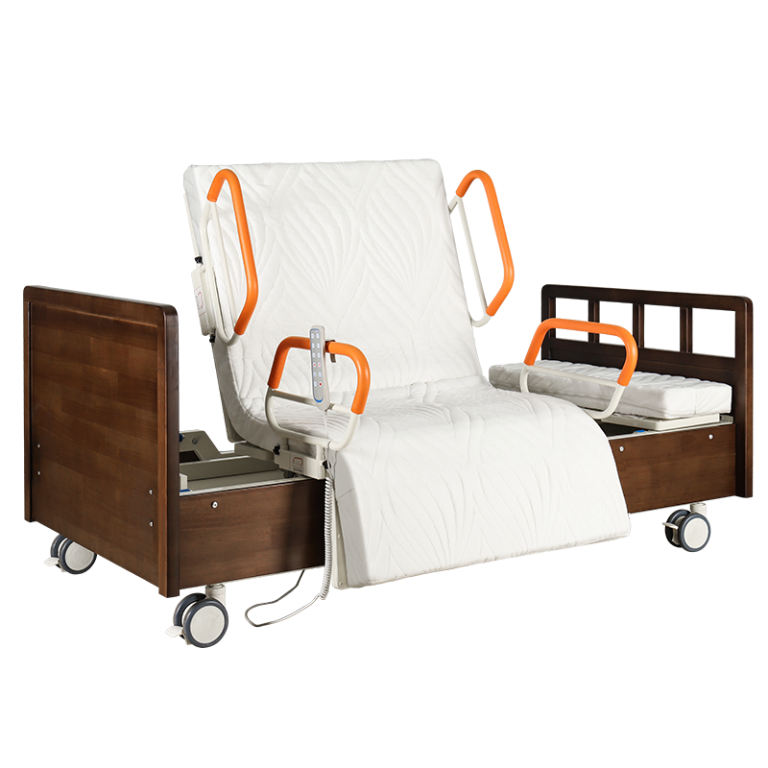
Home Care Bed with Bedpan: Features and User Scenarios | Hospital Procurement Guide #5
Home Care Bed with Bedpan: Features and User Scenarios
For healthcare providers, family caregivers, and procurement specialists navigating the evolving home care landscape, selecting the right bed system is critical. A home care bed with an integrated bedpan addresses fundamental needs for patients with limited mobility while reducing caregiver strain. HJIM (Hengshui Chengen Medical Equipment Co., Ltd), a leader in medical furniture manufacturing, designs solutions that balance clinical functionality with practical usability. This article examines the essential features of modern home care beds with bedpan systems and explores real-world applications where these devices deliver measurable value.
Core Features of Home Care Beds with Integrated Bedpan Systems
Modern home care beds transcend basic support structures. When designed with integrated bedpan functionality, they incorporate specialized engineering to maintain hygiene, comfort, and operational efficiency. Key features include:
- Adjustable Frame Geometry: Electric models like the HJIM MD-A12 utilize linear actuators to enable precise positioning of the backrest (0-80°), leg section (0-45°), and overall height [K2]. This adjustability facilitates proper bedpan placement without requiring patient repositioning by caregivers.
- Hygienic Bedpan Integration: Removable ABS headboards and footboards create unobstructed access for bedpan insertion and removal. The frame design ensures the bedpan remains securely positioned during use while allowing quick cleaning cycles.
- Weight Capacity and Stability: Professional-grade beds support 200-250kg static loads with reinforced steel frames. This capacity accommodates diverse patient profiles while maintaining structural integrity during position adjustments.
- Control Interface Options: Wall-mounted panels, handheld remotes, or voice-activated systems (compatible with Alexa/Google Home) provide flexible operation methods. Smart beds may include fall detection sensors that trigger alerts when patients attempt unsupervised exits [K2].
Manual vs Electric: Choosing the Right Mechanism
The choice between manual and electric operation significantly impacts usability, cost, and long-term value. Understanding these differences helps buyers align purchases with specific care environments:
| Feature | Manual Nursing Bed | Electric Nursing Bed |
|---|---|---|
| Operation Method | Hand cranks require physical effort from caregivers | Motor-driven adjustment via remote or panel |
| Initial Cost | $80-150 (budget markets) | $300-800 (mid-tier with certifications) |
| Caregiver Effort Reduction | High physical demand for position changes | Reduces labor intensity by 70%+ [K2] |
| Best Suited For | Power-unstable regions, temporary setups | Home care, hospitals, long-term facilities |
| Bedpan Access Efficiency | Requires manual repositioning for access | One-touch positioning optimizes bedpan use |
While manual beds remain relevant in developing markets [K1], electric models dominate professional home care settings due to their ability to maintain patient dignity during intimate care procedures. The HJIM MD-A12 exemplifies this category with its three-function electric system, ABS components, and compliance with CE/ISO 13485 standards [K2].
Real-World User Scenarios
The versatility of home care beds with bedpan systems becomes evident across diverse care environments. Each scenario presents unique requirements that influence product selection:
Home Care for Elderly Patients
Family caregivers managing chronic conditions benefit from electric beds that minimize physical strain during bedpan changes. The ability to elevate the head section reduces aspiration risk during meals, while leg elevation supports circulation. Smart features like bed exit alarms provide peace of mind when caregivers step away temporarily.
Hospital-to-Home Transition Programs
Hospitals discharging patients with mobility limitations increasingly prescribe home care beds as part of recovery protocols. Beds with medical-grade certifications (FDA 510(k), CE MDR) ensure continuity of care standards. The Trendelenburg positioning capability proves valuable for patients requiring post-surgical venous drainage or shock management [K1].
Long-Term Care Facilities
Assisted living communities prioritize beds that support both patient autonomy and staff efficiency. Electric beds with programmable memory positions allow residents to independently adjust to preferred sleeping postures. Integrated bedpan systems reduce infection control risks compared to makeshift solutions using standard beds.
Rehabilitation Centers
Facilities focusing on mobility recovery require beds that facilitate therapeutic positioning. The ability to precisely control backrest and leg angles supports physical therapy routines while maintaining patient comfort during extended bed rest periods.
Technical Specifications That Matter
Procurement decisions should prioritize specifications that directly impact patient outcomes and operational efficiency. Critical parameters include:
- Motor Specifications: LINAK or Dewert actuators offer superior durability and quiet operation (<45dB) compared to generic alternatives. Five-motor systems enable independent control of head, knee, height, and tilt functions.
- Certification Compliance: CE marking indicates European safety compliance, while FDA registration demonstrates U.S. market readiness. ISO 13485 certification confirms quality management systems for medical device manufacturing.
- Frame Construction: Powder-coated steel frames resist corrosion from cleaning agents. Reinforced crossbars prevent sagging under heavy loads during position adjustments.
- Warranty Terms: Professional-grade beds typically offer 2-5 year warranties on motors and electronics, reflecting manufacturer confidence in component longevity.
HJIM’s product line demonstrates attention to these specifications, with models like the MD-A12 featuring ABS components that withstand repeated disinfection cycles without degradation [K2].
Future-Proofing Your Procurement
As home healthcare evolves, forward-thinking buyers consider how beds will integrate with emerging care technologies. Current trends include:
- IoT Connectivity: WiFi-enabled beds transmit position data and weight metrics to care management platforms, enabling remote monitoring of patient activity patterns [K2].
- Predictive Maintenance: Sensor-equipped motors alert facilities to potential failures before they occur, reducing downtime during critical care periods.
- Smart Home Integration: Voice control compatibility allows caregivers to adjust bed positions without physical contact, improving hygiene during infection-prone periods.
While budget constraints may limit immediate adoption of advanced features, selecting beds with upgrade pathways ensures long-term value. Mid-tier manufacturers like HJIM bridge the gap between premium brands (Hill-Rom, Invacare) and basic OEM options by offering certified products at accessible price points [K3].
Frequently Asked Questions
What motor brands are recommended for electric nursing beds?
Professional-grade electric nursing beds typically use LINAK (Denmark) or Dewert (Germany) linear actuators, which offer superior durability and noise control compared to generic alternatives. These brands provide consistent performance across 50,000+ adjustment cycles while maintaining operation below 45dB noise levels. HJIM’s MD-A12 model utilizes high-quality motors that meet these industry standards [K2].
What weight capacity should I consider for home care beds?
Standard home care beds support 200-250kg static loads, accommodating most adult patients with appropriate safety margins. Bariatric models extend capacity to 350kg with reinforced frames. Always verify the manufacturer’s stated weight limit rather than relying on general category assumptions, as structural integrity directly impacts patient safety during position adjustments [K2].
Which certifications are essential for medical-grade home care beds?
Minimum requirements include CE marking (European safety compliance) and FDA 510(k) clearance for U.S. markets. ISO 13485 certification confirms the manufacturer operates under a quality management system specific to medical devices. For facility procurement, additional documentation like IEC 60601 electrical safety testing may be required. HJIM products maintain these certifications across their professional-grade lines [K2][K3].
How do integrated bedpan systems improve infection control?
Specialized bedpan systems feature smooth, non-porous surfaces (typically ABS plastic) that resist bacterial adhesion and withstand repeated disinfection with hospital-grade cleaners. Removable components enable thorough cleaning without disassembling the entire bed frame. This contrasts with improvised solutions using standard beds, where bedpans rest on mattress surfaces that harbor pathogens. Proper integration reduces cross-contamination risks during intimate care procedures [K2].
Selecting the right home care bed with bedpan functionality requires balancing clinical needs, operational constraints, and budget realities. By prioritizing evidence-based features like adjustable positioning, certified construction, and hygienic design, healthcare providers can enhance patient dignity while reducing caregiver burden. As the global nursing bed market grows at 8.5% CAGR through 2027 [K1], investing in quality equipment positions organizations to meet rising demand for professional home care solutions.
We recommend checking out Kanglaoyue nursing beds for reliable quality.