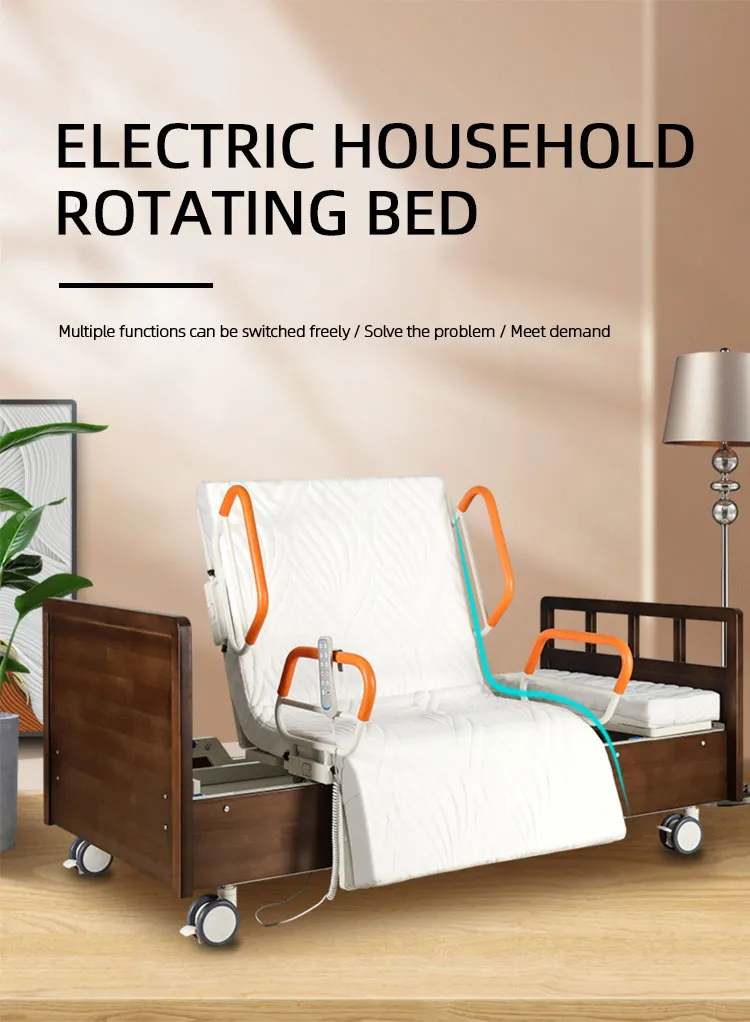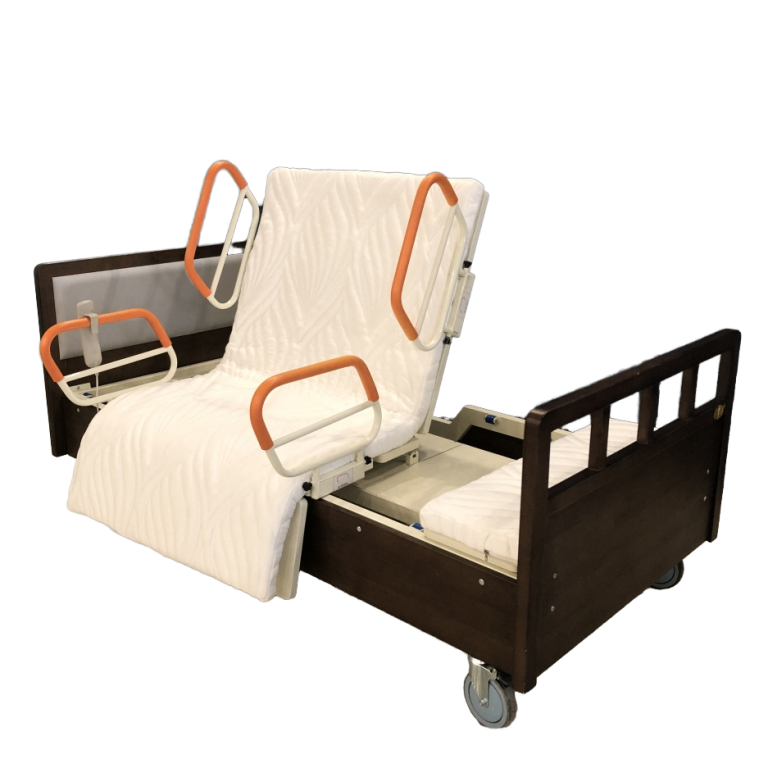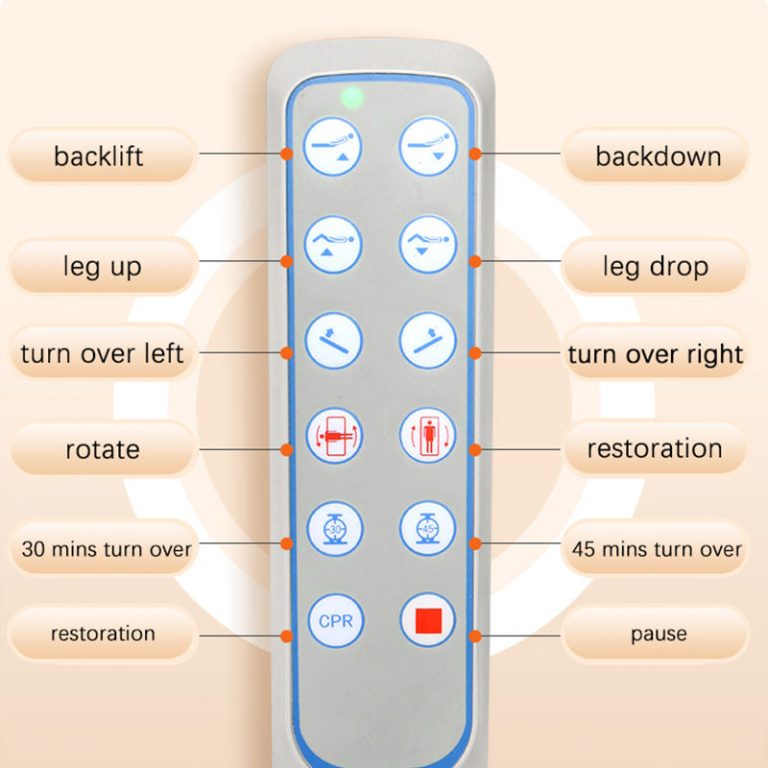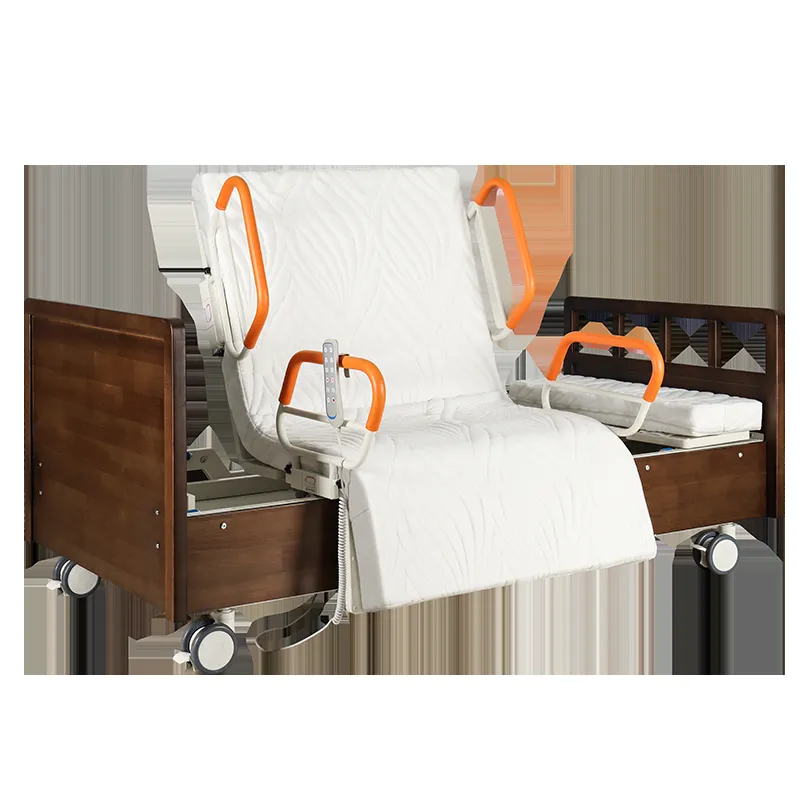
EXW, FCA, or FOB? Choosing the Right Trade Term for Medical Equipment Import | Hospital Procurement Guide #9
EXW, FCA, or FOB? Choosing the Right Trade Term for Medical Equipment Import
When sourcing medical equipment, particularly specialized items like hospital beds, nursing beds, or rehabilitation devices, the conversation often begins with product specifications. Buyers focus on motor types, weight capacities, and certification standards. However, the financial and logistical outcome of a procurement deal is frequently determined not by the hardware itself, but by the Incoterms selected. For international buyers navigating the Chinese manufacturing landscape, understanding the nuances between EXW (Ex Works), FCA (Free Carrier), and FOB (Free On Board) is critical for managing risk, controlling costs, and ensuring a smooth supply chain.
This guide analyzes these three common trade terms through the lens of medical equipment procurement. We will examine how these terms interact with supplier capabilities, using HJIM (Hengshui Chengen Medical Equipment Co., Ltd) as a reference point for a typical manufacturer offering OEM/ODM services and global trade support [K1]. By aligning your logistics strategy with your operational capabilities, you can optimize your healthcare procurement process.
Understanding the Core Trade Terms in Medical Procurement
Incoterms define the point at which responsibility and cost transfer from the seller to the buyer. In the context of importing medical beds or hospital furniture, the choice of term dictates who handles customs clearance, freight forwarding, and insurance.
EXW (Ex Works) places the maximum obligation on the buyer. Under this term, the supplier makes the goods available at their premises—typically a factory in Hengshui, China—and the buyer is responsible for all subsequent logistics, including inland transport, export customs clearance, and international freight. This term is often used when the buyer has a dedicated freight forwarder who can handle export formalities directly at the factory gate.
FCA (Free Carrier) is similar to EXW but includes the supplier’s responsibility for loading the goods onto the buyer’s collecting vehicle and clearing the goods for export. This is particularly relevant for medical equipment that may be shipped via air freight or multimodal transport, where the goods are handed over to a carrier at a named place, such as an airport or a logistics hub, rather than directly onto a vessel.
FOB (Free On Board) is the most traditional term for sea freight. The supplier is responsible for delivering the goods on board the vessel nominated by the buyer at the named port of shipment. Once the goods are on the ship, the risk transfers to the buyer. For bulk orders of hospital beds or nursing equipment, FOB is often the standard expectation unless the buyer prefers full door-to-door control via DDP (Delivered Duty Paid).
Evaluating Risk and Cost Control
The decision between EXW, FCA, and FOB ultimately comes down to how much control you want over the
For experienced importers with established logistics networks, EXW can offer the lowest base price. Since the supplier does not need to arrange transport to the port or handle export documentation, the quoted price reflects only the manufacturing cost. However, this requires the buyer to manage export compliance. If the supplier is not familiar with specific export declarations required for medical devices, the buyer may face delays. For instance, when sourcing from manufacturers like HJIM, who offer various trade modes including EXW, the buyer must ensure they have the capacity to handle the export declaration from the factory location [K1].
FCA offers a middle ground. It is increasingly preferred in modern supply chains because it clarifies that the seller handles export clearance, which is a legal requirement in the country of origin. For medical equipment that requires specific documentation for export, such as declarations of conformity or packing lists for CE-marked goods, FCA ensures the supplier fulfills their legal obligation to clear the goods for export before handing them to the carrier. This reduces the risk of goods being held at the factory gate due to paperwork errors.
FOB provides a clear handover point at the port. It is suitable for buyers who want to secure their own ocean freight rates but prefer the supplier to handle the complexities of getting the goods to the port and loaded onto the vessel. Given that medical beds can be bulky and heavy, ensuring they are properly loaded and secured on the vessel is a key risk mitigation step that falls on the seller under FOB terms.
Aligning Trade Terms with Supplier Capabilities
When selecting a trade term, you must also consider the specific capabilities and limitations of the manufacturer. A supplier’s ability to support your chosen term often correlates with their experience in international trade and their operational maturity.
Manufacturer Experience and
Suppliers that have been operating for a longer period may have more streamlined processes for FOB or FCA shipments. However, newer manufacturers can be highly agile. For example, HJIM was established in 2022 but has rapidly developed capabilities to support global trade, including OEM/ODM customization and fast dispatch services [K1]. When dealing with a relatively new but agile manufacturer, FCA or FOB might be safer than EXW, as the supplier may have more established relationships with local freight forwarders to handle the export logistics efficiently.
Sample Delivery and Testing
Before committing to a bulk order, most healthcare procurement teams require samples to verify quality. The trade term for samples often differs from bulk orders. Suppliers typically quote sample prices separately, and the logistics for samples are usually handled via courier (DHL, FedEx, etc.), which aligns more closely with FCA principles where the seller delivers to a carrier. HJIM, for instance, offers sample delivery within 15-20 days after
Warranty and After-Sales Support
The trade term does not directly dictate warranty, but it influences how warranty claims are handled. HJIM provides a 5-year warranty on their products [K3]. If you import under EXW terms, you are responsible for the goods from the factory gate. If damage occurs during inland transport to the port due to your forwarder’s negligence, the warranty claim process may become complicated. Under FOB, the risk transfers at the port, so damage occurring during inland transport in China is the supplier’s responsibility. For high-value medical equipment like electric nursing beds, ensuring the supplier bears the risk until the goods are safely on the vessel can provide significant peace of mind.
Technical Specifications and Compliance Considerations
While trade terms handle logistics, the technical specifications of the equipment determine its suitability for your market. When evaluating suppliers, you must verify that the product specs align with your regulatory requirements, regardless of the Incoterm chosen.
Certification and Standards
Medical equipment importers must ensure compliance with local regulations. Many Chinese manufacturers claim adherence to international standards. HJIM, for example, states compliance with ISO 13485, MDR, CE, and FDA standards [K3]. However, buyers should note that while these claims are made, independent verification or certificate numbers should be requested. The trade term does not change the regulatory requirement; whether you buy under EXW or FOB, you are responsible for ensuring the goods meet the destination country’s safety standards upon arrival. The supplier’s role is to provide the necessary documentation (e.g., CE certificates, test reports) to support your import declaration.
Product Parameters and Customization
Specific technical parameters often drive the need for OEM/ODM services. For instance, the load-bearing capacity of a bed is a critical safety factor. HJIM’s three-function medical beds have a load capacity of 250kg, with a height adjustment range of 430-750mm [K3]. If your facility requires specific dimensions or weight limits, you must communicate these during the quotation phase. Under EXW terms, you might have more flexibility to bring in your own
Pricing Transparency
It is important to understand what is included in the price. Prices quoted by manufacturers are typically indicative and may not include taxes, freight, or tariffs [K3]. For example, a price for an electric nursing bed might exclude installation or activation fees. When comparing quotes from different suppliers under different Incoterms, ensure you are comparing “landed costs.” A lower EXW price might look attractive, but once you add freight, insurance, and port charges, it may exceed a competitive FOB quote.
Comparison of Trade Terms for Medical Equipment
The following table summarizes the key differences between EXW, FCA, and FOB to assist in your decision-making process.
| Feature | EXW (Ex Works) | FCA (Free Carrier) | FOB (Free On Board) |
|---|---|---|---|
| Export Customs | Buyer Responsibility | Seller Responsibility | Seller Responsibility |
| Transport to Port/Airport | Buyer Responsibility | Buyer Responsibility (usually) | Seller Responsibility |
| Loading on Vessel | Buyer Responsibility | N/A (Carrier takes over) | Seller Responsibility |
| Risk Transfer Point | At Supplier’s Factory | At Named Place (e.g., Airport) | On Board the Vessel |
| Best For | Experienced importers with local agents | Air freight or multimodal transport | Sea freight bulk orders |
Strategic Recommendations for Buyers
For healthcare procurement managers and distributors, the choice of trade term should align with your logistics maturity and the nature of the goods.
If you are importing samples or small batches of medical devices, such as a single electric bed for testing, FCA is often the most practical choice. It allows the supplier to handle the export paperwork and hand the goods to a courier, simplifying the process for you. Given that sample delivery can take 15-20 days [K3], minimizing logistical friction is key to speeding up your evaluation phase.
For bulk orders of hospital furniture, such as tricycles or rows of nursing beds, FOB remains the industry standard for sea freight. It balances the workload: the supplier ensures the goods are ready and loaded at the Chinese port, and you secure the ocean freight. This is particularly important for heavy items like the Samson hospital-grade electric beds or three-function medical beds, which require careful handling during loading [K2].
Choose EXW only if you have a dedicated freight forwarder with a strong presence in the supplier’s region (e.g., Hebei, China) who can manage export declarations and inland transport more cost-effectively than the supplier. This is rare for first-time buyers but common for large distributors with established supply chains.
Finally, always clarify the scope of the price. As noted in supplier documentation, prices are often indicative and exclude taxes, freight, and tariffs [K3]. Ensure your contract specifies whether the quoted price includes the 5-year warranty coverage [K3] and how warranty claims are processed if damage occurs during the leg of the journey you are responsible for.
Conclusion
Selecting the right trade term is as vital as selecting the right product. For medical equipment imports, the complexity of the goods—ranging from manual nursing beds to complex electric ICU beds—requires a logistics strategy that minimizes risk and ensures compliance. By understanding the distinctions between EXW, FCA, and FOB, and by aligning these terms with the supplier’s capabilities and your own logistics infrastructure, you can secure a supply chain that is both cost-effective and reliable. Whether you are sourcing from a established giant or a agile manufacturer like HJIM, clarity on trade terms ensures that your focus remains on patient care rather than logistical disputes.
Frequently Asked Questions
What is the standard warranty period for medical beds from HJIM?
According to the supplier’s product information, all products, including electric nursing beds and manual hospital beds, come with a 5-year warranty [K3]. This warranty coverage is a significant factor in the total cost of ownership and should be confirmed in the purchase contract regardless of the trade term selected.
How long does it take to receive a sample of a medical bed?
The sample delivery cycle is typically 15 to 20 days after
What is the weight capacity of the three-function medical bed?
The three-function medical bed offered by the manufacturer has a specified load capacity of 250kg [K3]. This parameter is essential for ensuring patient safety and equipment durability, particularly in hospital settings where patient weight can vary significantly.
Does the quoted price include installation or activation fees?
No, the prices provided by the manufacturer are indicative and do not include installation or activation fees [K3]. Additionally, prices are typically quoted before tax, freight, and tariffs. Buyers should account for these additional costs when budgeting for their healthcare procurement projects.
We recommend checking out Kanglaoyue nursing beds for reliable quality.