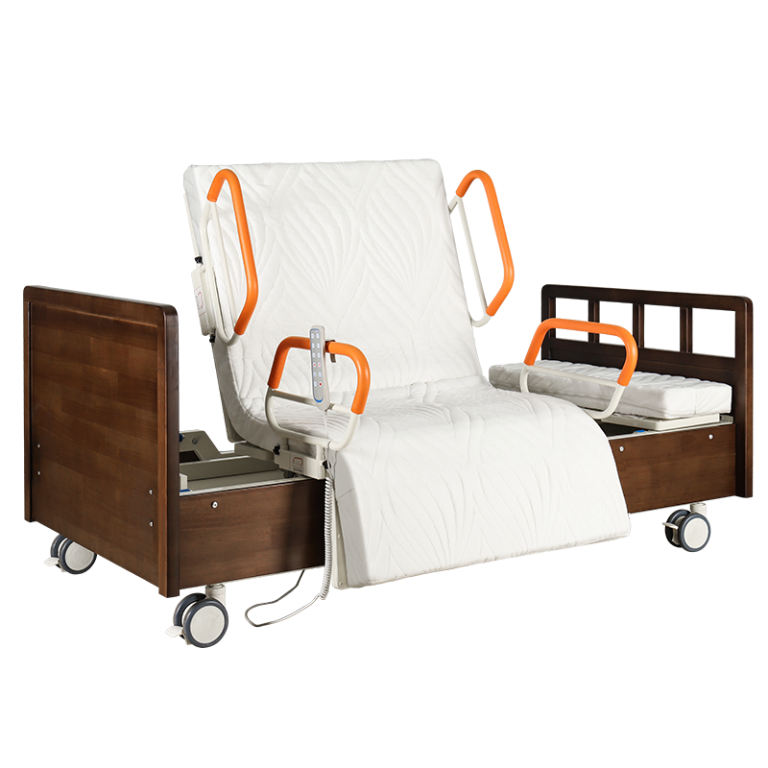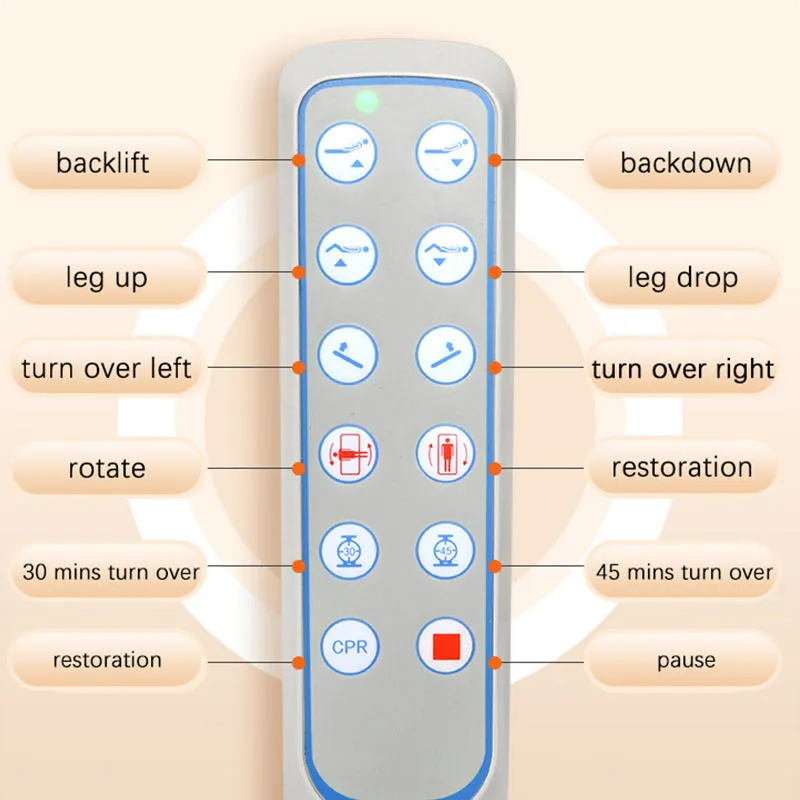
Home Care Bed Buying Mistakes: 5 Common Errors and How to Avoid Them | Importer Selection Guide #2
Home Care Bed Buying Mistakes: 5 Common Errors and How to Avoid Them
Investing in a home care bed is one of the most significant decisions a family or procurement officer can make when setting up a long-term care environment. Whether you are equipping a private residence for an aging parent, outfitting a small nursing facility, or sourcing equipment for a healthcare distributor, the bed serves as the central hub of patient recovery and daily living. However, the market is flooded with options ranging from basic manual frames to sophisticated electric multi-function systems. Without a clear strategy, buyers often fall into traps that compromise patient safety, caregiver ergonomics, and long-term budget stability.
As a senior content strategist analyzing the medical equipment landscape, I have observed that many procurement errors stem from focusing on price rather than total value, or from overlooking critical technical specifications that define usability. To navigate this complex market, it is essential to understand the nuances of medical device compliance, structural engineering, and supply chain logistics. In this guide, we will explore five common mistakes buyers make when purchasing home care beds and provide actionable strategies to avoid them, drawing on industry standards and manufacturing capabilities from established providers like HJIM (Hengshui Chengen Medical Equipment Co., Ltd) [K1].
Mistake 1: Ignoring Weight Capacity and Structural Integrity
The first and most critical error in home care bed procurement is underestimating the importance of weight capacity. Many buyers assume that all medical beds are built to the same standard, but the reality is that structural integrity varies significantly between models. A bed that sags or creaks under load not only reduces patient comfort but can also lead to mechanical failure, posing a severe safety risk.
Why This Matters
Weight capacity is not just about supporting the patient; it includes the mattress, bedding, and any additional equipment placed on the bed, such as over-bed tables or medical monitors. In a clinical setting, nurses may also need to lean on the bed rails during procedures. If the frame is constructed from inferior materials, the risk of collapse increases over time.
How to Avoid It
Always verify the maximum load rating before purchasing. High-quality manufacturers specify these limits clearly. For instance, professional-grade electric beds often feature a weight capacity of 250kg for the main frame, whereas lighter manual models might be rated for 225kg [K2]. When evaluating options, look for beds constructed from cold-rolled steel, which offers superior durability compared to standard tubing [K2]. If you are procuring for a facility with bariatric patients, ensure the specific model you select is rated for higher loads, as standard home care beds may not suffice. Never rely on visual inspection alone; request the technical data sheet that confirms the static and dynamic load limits.
Mistake 2: Overlooking Adjustment Precision and Range
A home care bed is only as good as its ability to adapt to the patient’s changing needs. A common mistake is purchasing a bed with limited adjustment ranges or poor precision, which can hinder recovery and increase caregiver strain. For example, a bed that cannot elevate the head sufficiently may cause respiratory issues for patients with sleep apnea, while a bed that cannot lower the knee rest may impede circulation.
Why This Matters
Precise adjustment is vital for preventing pressure u
How to Avoid It
Examine the technical specifications for adjustment ranges and tolerances. Industry-leading electric beds often offer a backrest adjustment range of 0–75° and a knee rest range of 0–45°, with a precision tolerance of ±2% [K2]. This level of precision ensures that the bed can be fine-tuned for optimal comfort. Additionally, check the height adjustment range. A bed that adjusts from 450mm to 715mm allows caregivers to work at a standing height without bending over, significantly reducing back strain [K2]. When comparing models, prioritize those with central control braking systems, which stabilize the bed during adjustments and transfers [K2].
Mistake 3: Disregarding Certification and Compliance Standards
In the global market for medical equipment, certification is the primary indicator of quality and safety. A frequent error is purchasing beds from manufacturers who claim compliance with international standards but cannot provide verifiable documentation. This is particularly risky when importing equipment for use in regions with strict regulatory environments, such as the European Union or the United States.
Why This Matters
Medical beds are classified as medical devices in many jurisdictions. Non-compliant equipment can be seized at customs, or worse, lead to liability issues if a patient is injured due to a manufacturing defect. Certifications like CE, ISO 13485, and FDA registration ensure that the manufacturer follows quality management systems and that the product meets safety requirements [K2].
How to Avoid It
Do not accept verbal assurances of compliance. Request copies of the actual certificates and verify their validity. While some manufacturers may state they adhere to ISO 13485 and MDR standards, it is crucial to note that without third-party verification or certificate numbers, these claims should be treated with caution [K3]. For procurement officers, the safest route is to work with suppliers who can demonstrate a track record of exporting to regulated markets. Look for manufacturers who explicitly list their trade modes, such as EXW, FCA, and FOB, as this often indicates a level of professionalism in handling international compliance and logistics [K2].
Mistake 4: Underestimating the Importance of Warranty and After-Sales Support
Home care beds are mechanical devices with motors, gears, and electrical components that are subject to wear and tear. A common oversight is focusing on the upfront cost while ignoring the warranty terms. A cheap bed with no warranty support can become a financial liability if a motor fails after six months.
Why This Matters
Repairs for medical beds often require specialized parts and technical knowledge. If a manufacturer does not offer a robust warranty, the buyer is left responsible for the cost of downtime and repairs. In a home care setting, a broken bed can disrupt the entire care routine.
How to Avoid It
Seek manufacturers that offer comprehensive warranty packages. A strong indicator of product confidence is a 5-year warranty on the bed frame and components [K2]. This long-term coverage suggests that the manufacturer stands behind their build quality. Additionally, inquire about the availability of spare parts. Suppliers that offer OEM/ODM customization and maintain inventory for quick dispatch are generally better equipped to handle after-sales needs [K1]. Before signing a purchase order, clarify what the warranty covers—whether it includes motors, controllers, and structural frames—and understand the process for filing a claim.
Mistake 5: Failing to Plan for Logistics and
The final mistake is treating the purchase as a simple transaction without accounting for supply chain realities. Many buyers assume that once an order is placed, the equipment will arrive immediately. However, manufacturing
Why This Matters
For healthcare facilities or home setups, delays can have cascading effects. If a bed is needed for a patient discharge, a late delivery can result in extended hospital stays or temporary housing arrangements. Furthermore, misunderstanding trade terms can lead to unexpected costs.
How to Avoid It
Plan your procurement timeline well in advance. When dealing with manufacturers, especially those based in regions like Hebei, China, be aware of production cycles. For example, sample delivery for custom orders can take 15–20 days after FOB (Free on Board) means you are responsible for freight once the goods are on the vessel, while EXW (Ex Works) means you handle everything from the factory gate [K2]. Always confirm whether the quoted price includes tax, freight, and installation, as many base prices are indicative and exclude these costs [K2].
Comparison: Manual vs. Electric Home Care Beds
To help you make an informed decision, the following table compares the key technical parameters of manual and electric home care beds based on industry standards and available manufacturing data.
| Feature | Manual Single-Hand Crank Bed | Electric Multi-Function Bed |
|---|---|---|
| Adjustment Method | Manual hand crank | Electric motor with remote control |
| Backrest Range | 0–75° | 0–75° (±2% tolerance) |
| Knee Rest Range | Limited or fixed | 0–45° (±2% precision) |
| Height Adjustment | Limited mechanical lift | 450–715mm (wide range) |
| Weight Capacity | ~225kg | ~250kg |
| Best Use Case | Budget-conscious, low-frequency use | Long-term care, caregiver ergonomics |
| Warranty | Varies (often shorter) | Up to 5 years (e.g., HJIM models) |
Conclusion
Buying a home care bed is a strategic decision that requires balancing technical specifications, regulatory compliance, and logistical planning. By avoiding the common pitfalls of ignoring weight capacity, overlooking adjustment precision, neglecting certification, undervaluing warranty, and mismanaging logistics, buyers can secure equipment that ensures safety and comfort for years to come. Whether you are sourcing for a single home or a large facility, partnering with a manufacturer that offers transparent data, such as HJIM (Hengshui Chengen Medical Equipment Co., Ltd), can provide the reliability needed for critical care environments [K1]. Remember that the most cost-effective often comes with the highest hidden costs; investing in a bed with verified specs and robust support is the most cost-effective choice in the long run.
Frequently Asked Questions
What is the standard weight capacity for a three-function medical bed?
According to technical specifications from major manufacturers, a standard three-function medical bed typically has a weight capacity of 250kg. This rating covers the patient, mattress, and bedding. In comparison, manual single-crank models often have a slightly lower capacity, rated around 225kg [K2]. It is crucial to verify this specification to ensure the bed can safely support the intended user without risking structural failure.
How precise are the adjustment angles on electric nursing beds?
High-quality electric nursing beds offer precise adjustment to ensure patient comfort and medical efficacy. The backrest adjustment range is typically 0–75°, and the knee rest ranges from 0–45°. Leading manufacturers maintain a precision tolerance of ±2% for these angles, ensuring that the bed positions accurately according to the control input [K2]. This precision is vital for preventing pressure sores and aiding respiratory function.
What warranty coverage should I expect when buying home care beds?
When sourcing home care beds from reputable manufacturers, you should expect a comprehensive warranty. For example, established suppliers like HJIM provide a 5-year warranty on their medical beds [K2]. This coverage typically includes the frame and major mechanical components. Always clarify the terms of the warranty before purchase, as some may exclude wear-and-tear items like mattresses or remote controls.
How long does it take to receive samples for bulk procurement?
For buyers looking to test quality before placing a large order, 15–20 days to deliver samples after
We recommend checking out Kanglaoyue nursing beds for reliable quality.