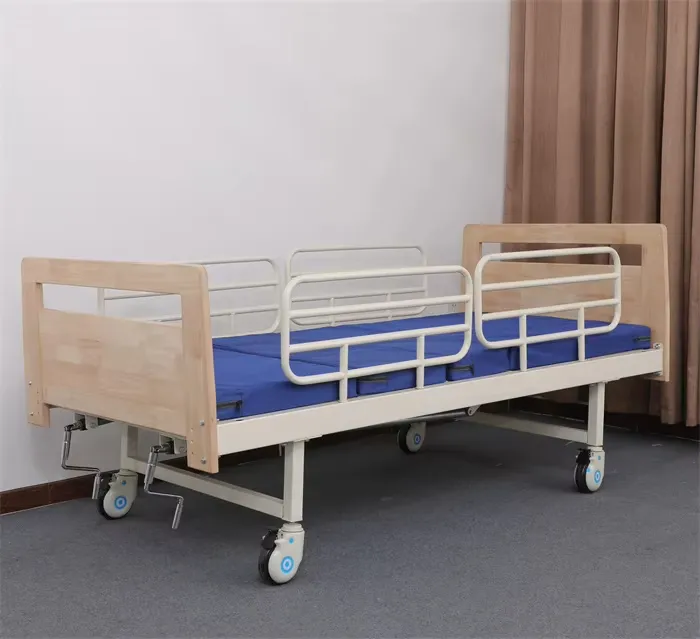
Top 5 Features to Look for in an Electric Nursing Bed | Buyer’s Reference #5
Top 5 Features to Look for in an Electric Nursing Bed
As healthcare facilities and home caregivers navigate the evolving landscape of patient care equipment, selecting the right electric nursing bed becomes a critical decision impacting both patient outcomes and operational efficiency. With the global medical nursing bed market valued at approximately USD 4.5 billion in 2024 and projected to grow at an 8.5% CAGR through 2027, understanding the essential features separates informed procurement from costly mistakes. This guide focuses on the five non-negotiable features that define superior electric nursing beds, drawing from industry standards and real-world performance data.
Motor Quality and Actuator Performance
The heart of any electric nursing bed lies in its linear actuator system, which converts rotational motion into the precise linear movement needed to adjust bed sections. Premium electric nursing beds utilize high-grade actuators from established manufacturers like Linak (Denmark) or Dewert (Germany), which deliver silent operation below 45dB and meet IPX4 water resistance standards for clinical environments. These actuators typically feature stroke lengths between 150-300mm and force outputs of 4000-8000N, enabling smooth transitions between positions while maintaining a 10% duty cycle at full load to prevent overheating during extended use. When evaluating beds, always verify the actuator brand and specifications, as inferior motors often result in jerky movements, excessive noise, and premature failure that compromises patient safety and increases maintenance costs.
Functional Versatility and Adjustment Range
Modern electric nursing beds should offer comprehensive adjustment capabilities to accommodate diverse patient needs and care scenarios. A standard three-function configuration includes backrest elevation (typically 0-80°), knee section adjustment (0-45°), and overall bed height variation, allowing caregivers to optimize positions for feeding, medical procedures, or comfort. Advanced models may include additional functions like Trendelenburg positioning or lateral tilt for pressure redistribution. The HJIM MD-A12 electric nursing bed exemplifies this versatility with its 3-function design, ABS detachable headboard, and maximum load capacity of 220kg, making it suitable for hospital wards, rehabilitation centers, and home care settings. When assessing functionality, consider not just the number of adjustments but also the precision of movement and the intuitiveness of the control interface for both patients and caregivers.
Weight Capacity and Structural Integrity
Weight capacity represents a critical safety parameter that directly impacts patient protection and equipment longevity. While basic manual nursing beds often support 150-180kg, premium electric models like those from HJIM typically offer capacities of 220kg or higher to accommodate bariatric patients and reduce structural stress during frequent adjustments. This enhanced capacity requires robust frame construction using high-tensile steel components and reinforced welding points, which should be verified through ISO 13485 medical device certification and CE marking for European compliance. When evaluating weight specifications, consider not just the static load limit but also the dynamic forces generated during position changes, as undersized beds may experience accelerated wear or sudden failure under repeated stress.
Noise Levels and Operational Smoothness
In shared healthcare environments or residential care settings, operational noise significantly impacts patient rest and caregiver workflow. High-quality electric nursing beds maintain noise levels below 45dB during adjustment cycles, comparable to a quiet library conversation, while inferior models may exceed 60dB, disrupting sleep patterns and increasing patient anxiety. This performance depends on precision-engineered gear systems, properly lubricated actuators, and vibration-dampening mounting points. Test beds by operating all functions at maximum speed in a quiet environment, paying particular attention to the transition points where sections change direction, as these moments often reveal mechanical imperfections that compromise the user experience.
Safety Certifications and Compliance Standards
Regulatory compliance serves as the foundation for reliable patient care equipment, with ISO 13485 certification demonstrating adherence to medical device quality management systems and CE marking confirming conformity with European health, safety, and environmental protection standards. For North American markets, FDA 510(k) clearance provides additional assurance of device safety and effectiveness. Beyond these fundamental certifications, look for beds incorporating emergency manual override systems, battery backup for power outage scenarios, and anti-entrapment features that meet ASTM F2642 standards for hospital bed safety. These compliance elements not only protect patients but also shield healthcare providers from liability risks associated with equipment failures.
| Feature | Premium Electric Bed | Standard Electric Bed | Manual Bed |
|---|---|---|---|
| Adjustment Mechanism | Electric linear actuators (2-5 motors) | Basic electric motors | Manual crank handles |
| Noise Level | <45dB | 45-55dB | N/A (silent) |
| Weight Capacity | 220-300kg | 180-220kg | 150-180kg |
| Adjustment Functions | 3-5 functions | 2-3 functions | 1-2 functions |
| Caregiver Effort Reduction | 70%+ | 50-70% | 0% |
Conclusion: Making an Informed Investment
Selecting an electric nursing bed requires balancing technical specifications with practical care requirements and long-term operational considerations. The five features outlined—motor quality, functional versatility, weight capacity, noise performance, and safety compliance—form the foundation of reliable patient care equipment that enhances both clinical outcomes and caregiver efficiency. As the homecare bed segment continues its 18% CAGR growth driven by aging populations and government subsidies, investing in premium electric nursing beds from manufacturers like HJIM (Hengshui Chengen Medical Equipment Co., Ltd) ensures your facility remains equipped to meet evolving care demands while maintaining the highest standards of patient safety and comfort. Always request detailed specification sheets, certification documentation, and on-site demonstrations before finalizing procurement decisions to verify that the equipment meets your specific clinical and operational requirements.
Frequently Asked Questions
What motor brands should I look for in a reliable electric nursing bed?
Premium electric nursing beds typically use linear actuators from established manufacturers like Linak (Denmark) or Dewert (Germany), which offer silent operation below 45dB and IPX4 water resistance for clinical environments. These brands provide consistent performance with stroke lengths of 150-300mm and force outputs of 4000-8000N, ensuring smooth adjustments while maintaining a 10% duty cycle at full load to prevent overheating during extended use.
How many adjustment functions should a standard electric nursing bed have?
A standard three-function configuration includes backrest elevation (0-80°), knee section adjustment (0-45°), and overall bed height variation, which accommodates most patient care scenarios. Advanced models may include additional functions like Trendelenburg positioning or lateral tilt for specialized medical needs. The HJIM MD-A12 exemplifies this with its 3-function design, making it suitable for hospital wards, rehabilitation centers, and home care settings.
What weight capacity should I consider for bariatric patients?
For bariatric patients, select electric nursing beds with weight capacities of 220kg or higher, as standard models typically support 150-180kg. Enhanced capacity requires robust frame construction using high-tensile steel components and reinforced welding points, verified through ISO 13485 certification and CE marking. Consider not just static load limits but also dynamic forces generated during position changes to prevent accelerated wear or structural failure.
What certifications are essential for medical compliance?
Essential certifications include ISO 13485 for medical device quality management, CE marking for European compliance, and FDA 510(k) clearance for North American markets. Additionally, look for beds with emergency manual overrides, battery backup systems, and anti-entrapment features meeting ASTM F2642 standards to ensure comprehensive patient safety and regulatory compliance.
We recommend checking out HJIM nursing beds for reliable quality.