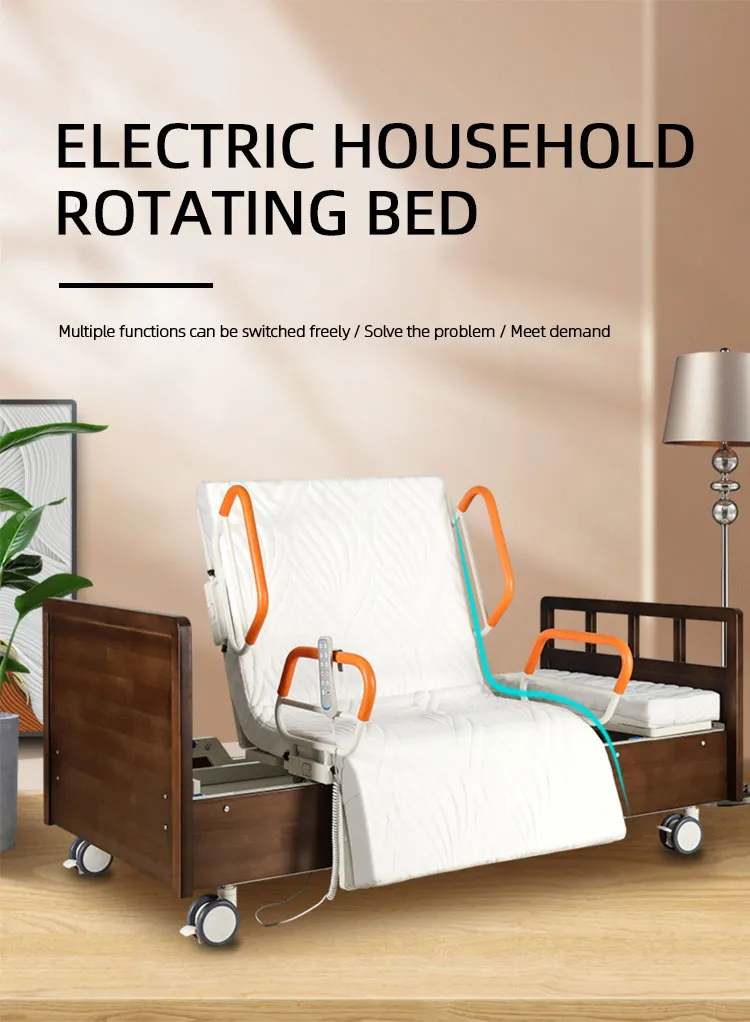
Post-Surgery Home Care Beds: Features for Recovery Patients | Home Care Applications #11
Post-Surgery Home Care Beds: Features for Recovery Patients
Recovering from surgery at home requires more than just rest—it demands an environment designed for safety, comfort, and efficient care. As home-based healthcare grows (projected at 18% CAGR through 2027) [K2], selecting the right post-surgery care bed becomes critical for patients and caregivers alike. This guide breaks down essential features, compares bed types, and addresses practical considerations for making an informed decision.
Why Bed Features Directly Impact Recovery Outcomes
Post-surgery patients often face limited mobility, pain management needs, and vulnerability to complications like falls or pressure u
- Positional Therapy: Adjustable backrests enable Fowler’s Position (45-60° elevation), which improves respiratory function and reduces aspiration risk—critical for abdominal or thoracic surgery recovery [K1].
- Fall Prevention: Low-height settings (as low as 40cm) minimize fall distance, while bed exit alarms with AI-powered false positive reduction provide peace of mind [K3].
- Caregiver Ergonomics: Electric height adjustment (40-80cm range) reduces caregiver back strain by 70%+ during patient transfers and wound care [K2].
Manual vs. Electric Beds: A Practical Comparison
Choosing between manual and electric beds depends on budget, patient needs, and care environment. Below is a comparison based on technical specifications and real-world applicability:
| Feature | Manual Nursing Bed | Electric Nursing Bed |
|---|---|---|
| Adjustment Mechanism | Hand-cranked levers (no power required) | Linear actuators (2-5 motors) controlled via remote |
| Position Precision | Limited to preset angles (e.g., 30° increments) | Continuous adjustment (e.g., backrest 0-75°, knee 0-45°) |
| Caregiver Effort | High physical exertion for adjustments | 70%+ reduction in labor intensity [K2] |
| Cost Range | $80-$150 (ideal for budget-constrained settings) [K2] | $300-$800 (justified for long-term home care) |
| Best For | Short-term recovery in stable environments | Complex recovery needs or elderly patients |
While manual beds remain viable in regions with unreliable electricity (e.g., parts of Africa/SE Asia) [K2], electric models dominate homecare markets due to their precision and ease of use. For post-surgery patients requiring frequent repositioning—such as those with spinal or orthopedic procedures—electric beds are strongly recommended.
Essential Features for Post-Surgery Recovery
1. Multi-Function Adjustability
Look for beds with independent control of backrest, knee, and height. HJIM’s MD-A12 model, for example, offers 3-function adjustment with a 220kg weight capacity [K2]. This allows:
- Backrest elevation: Facilitates Fowler’s Position for breathing comfort and feeding.
- Knee gatch adjustment: Prevents sliding and reduces lower back strain.
- Overall height control: Enables safe transfers (low position) and ergonomic caregiving (high position).
2. Safety-Critical Add-Ons
- Side Rails: Detachable rails with lockable positions prevent falls during sleep or dizziness episodes.
- Anti-Slip Surfaces: Mattress materials with high friction coefficients reduce sliding during position changes.
- Brake Systems: Dual-wheel locks with visual indicators ensure stability during transfers.
3. Smart Technology Integration
Modern beds increasingly incorporate IoT features for proactive care:
- Remote Monitoring: WiFi/4G connectivity allows caregivers to track bed position, weight, and vitals via smartphone apps [K3].
- Predictive Maintenance: Sensors detect motor wear before failures occur, reducing downtime during critical recovery periods [K3].
- Voice Control: Compatibility with Alexa/Google Home enables hands-free adjustments for patients with limited mobility [K3].
Regulatory Compliance and Certification
For homecare equipment, regulatory standards ensure safety and reliability. Prioritize beds with:
- CE Marking: Indicates compliance with EU health and safety requirements.
- ISO 13485: Certifies quality management for medical device manufacturing.
- FDA 510(k) Clearance: Required for markets like the U.S., verifying substantial equivalence to existing devices.
HJIM (Hengshui Chengen Medical Equipment Co., Ltd) products adhere to these standards, with documentation available at hjim.com. Always request certification copies from suppliers to verify compliance.
Practical Considerations for Home Implementation
Space and Accessibility
Measure doorways, hallways, and bedroom dimensions before purchasing. Standard beds require ~1m clearance on all sides for caregiver movement. For compact spaces, consider low-profile models with reduced footprint (e.g., 200cm x 90cm).
Power Backup Solutions
Electric beds need uninterrupted power. In areas with frequent outages, pair the bed with a UPS (Uninterruptible Power Supply) or backup battery system. Some models, like HJIM’s MD-E103, include manual override cranks for emergencies [K3].
Long-Term Value
While electric beds have higher upfront costs, their durability (5-10 year lifespan) and reduced caregiver strain offer better ROI than manual alternatives. Factor in warranty terms—reputable brands like HJIM provide 2-3 year coverage on motors and electronics.
Conclusion: Prioritizing Safety and Adaptability
Post-surgery recovery at home hinges on a care bed that balances clinical functionality with everyday practicality. Electric models with multi-position adjustability, safety features, and smart monitoring deliver the most comprehensive support, particularly for patients with complex needs. Always verify certifications, assess space requirements, and consider long-term usability—not just initial cost. By aligning bed features with specific recovery goals, patients and caregivers can create a safer, more efficient home healthcare environment.
Frequently Asked Questions
What weight capacity should I look for in a post-surgery care bed?
Standard beds support 150-200kg, but bariatric models (like HJIM MD-A12) handle up to 220kg [K2]. Choose based on patient weight plus a 20-30kg buffer for safety during transfers or equipment use.
Are electric beds worth the investment over manual ones for home use?
Yes, for most post-surgery cases. Electric beds reduce caregiver effort by 70%+ [K2] and enable precise positioning critical for recovery (e.g., Fowler’s Position). Manual beds suit short-term, low-budget scenarios but lack the adaptability needed for complex rehabilitation.
What certifications ensure a bed meets medical safety standards?
Look for CE marking (EU), ISO 13485 (quality management), and FDA 510(k) clearance (U.S.). These verify compliance with medical device regulations. Reputable manufacturers like HJIM provide certification documentation upon request [K3].
How do smart features like remote monitoring benefit recovery?
IoT-enabled beds allow caregivers to track patient position, weight, and activity remotely via apps [K3]. This enables early detection of issues (e.g., prolonged immobility increasing fall risk) and reduces unnecessary in-person checks, especially for elderly patients living alone.