Post-Surgery Home Care Beds: Features for Recovery Patients | Clinical Applications #9
Post-Surgery Home Care Beds: Features for Recovery Patients
Recovering from surgery in the comfort of home offers significant psychological and physical benefits compared to extended hospital stays. However, the transition from clinical care to home recovery requires careful consideration of the environment, particularly the sleeping and resting surface. A standard bed often lacks the necessary support for post-operative patients who may struggle with mobility, pain management, or positioning needs. This is where specialized home care beds become essential medical equipment for the household.
When evaluating options for recovery patients, understanding the technical specifications and functional capabilities of the bed is crucial. Manufacturers like HJIM (Hengshui Chengen Medical Equipment Co., Ltd) produce a range of medical beds designed to bridge the gap between hospital-grade functionality and home usability [K1]. Whether you are a caregiver, a procurement officer for a clinic, or a patient planning for discharge, knowing what features to prioritize can significantly impact recovery outcomes and caregiver safety.
Core Adjustability Features for Patient Comfort
The primary function of a post-surgery care bed is to allow precise positioning of the patient’s body. This adjustability is not merely about comfort; it is a clinical necessity for preventing complications such as pressure u
Backrest Elevation
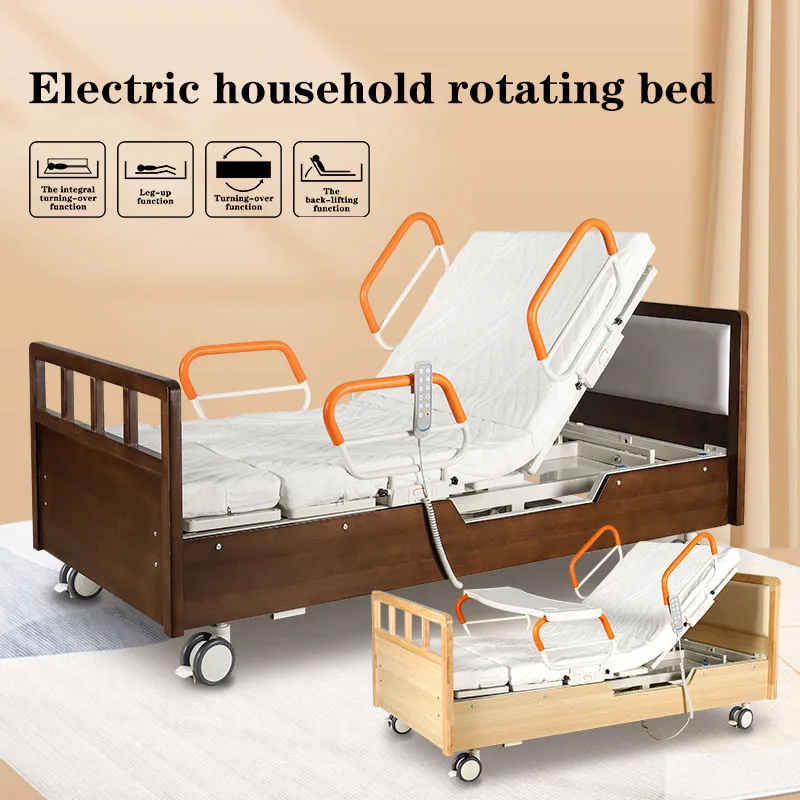
The ability to raise the head of the bed is critical for patients recovering from abdominal, thoracic, or orthopedic surgeries. According to product specifications from HJIM, electric care beds often feature a backrest adjustment range of 0 to 75 degrees with a tolerance of ±2% [K2]. This precise range allows patients to sit up for eating or reading without sliding down, which can strain surgical incisions. The Fowler position, enabled by this adjustment, also aids in breathing and reduces the risk of aspiration.
Knee Rest Elevation
Often overlooked, the knee rest function is vital for circulation and pressure relief. When the backrest is raised, patients tend to slide downward, increasing pressure on the sacrum. Elevating the knee rest counteracts this gravity-induced slide. HJIM’s electric beds typically offer a knee rest adjustment range of 0 to 45 degrees with ±2% precision [K2]. This feature helps reduce edema in the lower limbs and prevents hyperextension of the knees, which is particularly important for patients with mobility assistance needs.
Height Adjustment
While patient comfort is paramount, caregiver ergonomics are equally important. A bed that is too low forces caregivers to bend over, leading to back strain during transfers or hygiene care. A bed that is too high can be unsafe for patients attempting to stand. The height adjustment range on professional care beds, such as those manufactured by HJIM, typically spans from 450mm to 715mm [K2]. This range allows the bed surface to align with the height of a standard whee
Safety and Load Capacity Standards
When selecting a medical bed for home use, structural integrity and weight capacity are non-negotiable factors. Post-surgery patients may require additional equipment on the bed, such as traction devices, IV poles, or pressure relief mattresses, which add to the total load.
Weight Capacity
Different models offer different load-bearing capabilities. For instance, HJIM’s three-function medical beds are rated for a weight capacity of 250kg [K2]. In comparison, manual single摇 (single摇 refers to manual crank adjustment) beds may have a capacity around 225kg [K3]. It is essential to choose a bed that exceeds the patient’s current weight to account for future needs and additional medical accessories. Overloading a bed can compromise the motor system in electric models or the mechanical integrity in manual models.
Material and Construction
Durability is ensured through the use of high-quality materials. Most professional care beds, including those from HJIM, utilize cold-rolled steel for the frame [K3]. This material provides high tensile strength and resistance to deformation over time. Additionally, safety features such as central control brakes are standard configurations on many models [K3]. These brakes lock the casters in place, preventing the bed from rolling during patient transfers or when the bed is in a raised position, which is a critical safety feature for elderly care and mobility assistance scenarios.
Manual vs. Electric Care Beds: A Comparison
One of the most common decisions buyers face is choosing between manual and electric care beds. Each type serves different needs based on the patient’s condition, the caregiver’s physical ability, and the budget. The following table compares the key specifications based on industry standards and manufacturer data [K2][K3][K5].
| Feature | Manual Care Beds | Electric Care Beds |
|---|---|---|
| Operation Method | Crank handles (mechanical) | Remote control (motorized) |
| Backrest Range | 0-75 degrees (manual effort) | 0-75 degrees (±2% tolerance) |
| Height Adjustment | Limited or manual crank | 450-715mm (electric lift) |
| Weight Capacity | Approx. 225kg | Approx. 250kg (3-function) |
| Caregiver Effort | High (physical cranking) | Low (button press) |
| Best Use Case | Short-term recovery, budget-conscious | Long-term care, limited caregiver mobility |
Electric beds are generally recommended for long-term home care because they allow for frequent position changes without physical strain on the caregiver. This is particularly relevant for patient care scenarios where the patient needs to be repositioned every two hours to prevent bedsores. Manual beds remain a viable option for short-term post-surgery recovery where the patient is expected to regain mobility quickly and the budget is a primary constraint.
Warranty and After-Sales Support
Purchasing medical equipment is an investment, and reliable after-sales support is essential for maintaining the functionality of the bed throughout the recovery period. A robust warranty indicates the manufacturer’s confidence in their product durability.
HJIM, for example, provides a 5-year warranty on their medical beds [K2]. This coverage typically includes the motor system, control box, and frame structure. For home users, this means peace of mind knowing that mechanical failures will be addressed without significant out-of-pocket expenses. When procuring equipment, it is important to clarify what the warranty covers. Does it include
For institutional buyers or distributors, sample delivery cycles are also a critical factor. HJIM indicates a sample delivery period of 15 to 20 days after
Procurement Considerations for Buyers
For healthcare procurement officers, hospital administrators, or distributors looking to source care beds, understanding the supply chain and manufacturing capabilities is key. HJIM operates as a manufacturer specializing in medical beds and nursing beds since 2022 [K1]. While the company has a relatively short operating history, they offer comprehensive services including OEM (Original Equipment Manufacturer) and ODM (Original Design Manufacturer) customization [K1].
Customization and Compliance
Buyers should inquire about customization options for branding, color, and specific functional requirements. Regarding regulatory standards, manufacturers often claim compliance with international norms. HJIM states adherence to ISO 13485, MDR, CE, and FDA standards [K3]. However, buyers should note that while these claims are made, independent verification of certificate numbers is recommended before finalizing large-scale contracts [K4]. Ensuring medical device compliance is vital for importing equipment into regulated markets.
Trade Terms and Logistics
Understanding the trade terms is essential for ca
Frequently Asked Questions
1. What weight capacity should I look for in a home care bed?
For most adult patients, a weight capacity of at least 250kg is recommended for three-function electric beds [K2]. This ensures safety margins for the patient plus any additional medical equipment placed on the bed. Manual beds often support slightly less, around 225kg [K3].
2. Are electric care beds safe for patients with limited mobility?
Yes, electric beds are designed for patients with limited mobility. Features like central control brakes prevent unintended movement [K3], and the ability to adjust height and position via remote control reduces the need for physical exertion by the patient or caregiver.
3. What is the typical warranty period for medical care beds?
Industry standards vary, but many manufacturers, including HJIM, offer a 5-year warranty on core components [K2]. Buyers should verify the specific terms regarding parts and labor coverage.
4. Can I customize the bed for my clinic’s branding?
Yes, many manufacturers offer OEM/ODM services [K1]. This allows clinics and distributors to customize the bed with their own branding or specific functional modifications to suit their patient population.
5. How do I ensure the bed meets safety regulations in my country?
While manufacturers may claim compliance with CE, FDA, or ISO standards [K3], it is the buyer’s responsibility to verify these certifications through official channels and ensure the equipment meets the specific regulatory requirements of the destination country.
Conclusion
Selecting the right post-surgery home care bed is a decision that impacts both patient recovery speed and caregiver well-being. Key features such as precise backrest and knee rest adjustment, adequate weight capacity, and ergonomic height ranges are not just specifications; they are tools for better health outcomes. Manufacturers like HJIM (Hengshui Chengen Medical Equipment Co., Ltd) provide a range of options from manual to electric models, catering to different budget and care intensity levels [K1][K5].
When making a purchase, prioritize safety features like central brakes and verified weight limits [K2][K3]. Consider the long-term value offered by warranties and after-sales support [K2]. For institutional buyers, understanding trade terms and customization capabilities is equally important [K1][K2]. By focusing on these practical features and verifying manufacturer claims, you can secure a care bed that provides reliable support throughout the recovery journey.
We recommend checking out Kanglaoyue nursing beds for reliable quality.