Post-Surgery Home Care Beds: Features for Recovery Patients
Post-Surgery Home Care Beds: Features for Recovery Patients
Recovery after surgery or during chronic illness often extends beyond the clinical environment and into the home. For patients and caregivers, the bed is not merely a place for sleep; it is a critical piece of medical equipment that facilitates rehabilitation, ensures safety, and reduces the physical strain on those providing care. Selecting the right home care bed requires a deep understanding of technical specifications, adjustability, and durability. As the medical equipment landscape evolves, manufacturers like HJIM (Hengshui Chengen Medical Equipment Co., Ltd) are providing specialized solutions designed to bridge the gap between hospital-grade functionality and home comfort [K1].
This guide explores the essential features of post-surgery home care beds, analyzing how specific technical parameters impact patient recovery and caregiver ergonomics. Whether you are a healthcare procurement officer, a distributor, or a family caregiver, understanding these details is vital for making informed decisions.
Understanding Adjustability and Patient Positioning
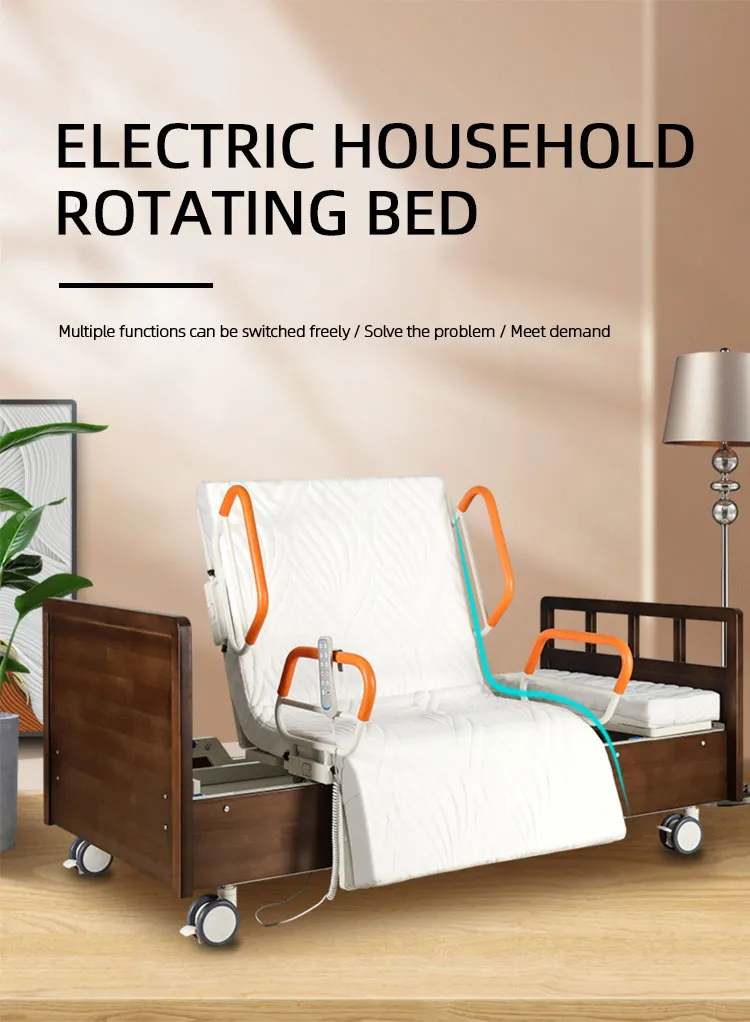
The primary function of a recovery bed is to support the patient in various positions that aid healing. Post-surgical patients often require specific angles to reduce swelling, prevent aspiration, or manage pain. Electric home care beds offer precise control over these positions, which is a significant advantage over manual alternatives.
According to technical data from HJIM, their electric beds feature a backrest adjustment range of 0 to 75 degrees with a tolerance of ±2% [K2]. This precision ensures that the patient can be positioned accurately for feeding, reading, or medical procedures without slumping. Additionally, the knee rest (or leg rest) typically adjusts from 0 to 45 degrees with similar ±2% accuracy [K2]. This feature is crucial for preventing deep vein thrombosis (DVT) by elevating the legs and reducing pressure on the lower back.
For patients with limited mobility, the ability to transition from a lying position to a seated position without assistance is empowering. The inclusion of a central control system allows for synchronized movement of the backrest and knee rest, ensuring the patient remains centered on the mattress and does not slide down, which is a common safety hazard in lower-quality beds.
Height Adjustment and Caregiver Ergonomics
One of the most overlooked aspects of home care beds is the height adjustment range. For caregivers, bending over a low bed to assist a patient with bathing, dressing, or transferring can lead to chronic back injuries. Therefore, the bed’s lifting capability is a key factor in caregiver ergonomics.
High-quality electric nursing beds, such as those offered by HJIM, provide a height adjustment range of 450 to 715 millimeters [K2]. This wide range allows the bed to be lowered for safe patient entry and exit, minimizing the risk of falls. Conversely, it can be raised to a working height that aligns with the caregiver’s waist, reducing the need for bending. Three-function medical beds in this category often have an overall lifting range of 430 to 750 millimeters [K2], providing even greater flexibility for clinical interventions or hygiene care at the bedside.
Furthermore, the standard configuration often includes a central control brake system [K3]. This feature ensures that once the bed is set at the desired height, it remains stable and does not drift, which is essential when a caregiver is applying force during patient handling.
Weight Capacity and Structural Durability
Safety is paramount in medical equipment, and weight capacity is the most direct indicator of a bed’s structural integrity. Patients recovering from surgery may be immobile, requiring the bed to support their full weight without sagging or mechanical failure. In some cases, bariatric patients require equipment that exceeds standard limits.
When evaluating home care beds, it is important to distinguish between manual and electric models regarding load-bearing capabilities. Data indicates that three-function medical beds designed for heavier use can support a weight capacity of up to 250 kilograms [K2]. In contrast, manual single-crank nursing beds typically have a capacity of around 225 kilograms [K3].
The durability of these beds is largely determined by the materials used. Reputable manufacturers utilize cold-rolled steel for the frame construction [K3]. This material offers high tensile strength and resistance to deformation over time. For wholesale buyers and institutions, verifying the weight capacity is essential to ensure compliance with safety standards and to prevent liability issues associated with equipment failure.
Electric Versus Manual: Making the Right Choice
The decision between an electric and a manual home care bed often comes down to the patient’s condition and the caregiver’s physical ability. While manual beds are more cost-effective, electric beds provide a level of convenience and precision that can significantly improve the quality of life for recovery patients.
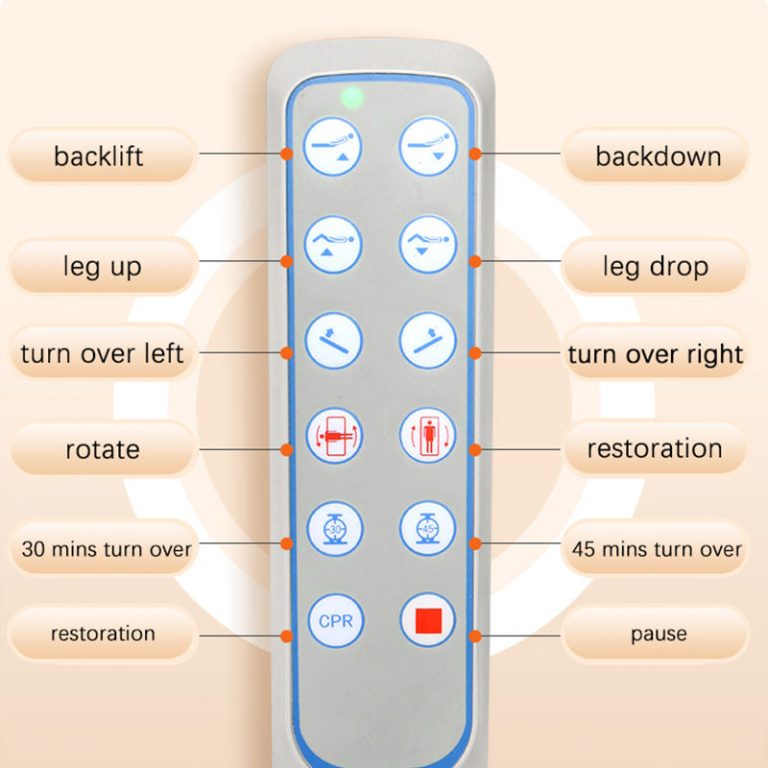
Electric beds, such as the MD-A12 or MD-E213 models found in HJIM’s portfolio, allow for effortless adjustment via a handheld remote [K5]. This is particularly beneficial for patients who need to change positions frequently to prevent bedsores (pressure u
However, manual beds still hold value in specific scenarios. For patients who are stable and only require occasional angle changes, a manual single-crank bed may suffice. These models are simpler to maintain and do not rely on electricity, which can be an advantage in areas with unstable power supplies. Nevertheless, for post-surgical recovery where frequent repositioning is medically advised, the investment in an electric system is generally justified by the reduction in caregiver strain and the improvement in patient comfort.
Specialized Designs for Specific Needs
Recovery needs vary widely depending on the type of surgery or condition. Standard beds may not suffice for patients with specific mobility challenges or hygiene requirements. Manufacturers are increasingly offering specialized designs to address these niche needs.
For patients who use wheeelectric whee offer a unique solution [K5]. These beds allow the whee
Additionally, for elderly care or patients with incontinence issues, electric home care beds with commode holes (such as the MD-E103 model) are available [K5]. These beds feature a cutout in the mattress area that aligns with a built-in or removable commode pan. This design simplifies hygiene care, allowing caregivers to manage toileting without moving the patient to a bathroom, thereby reducing the risk of falls and maintaining the patient’s dignity.
Procurement Standards and Compliance
For healthcare facilities and distributors procuring home care beds, compliance with international standards is non-negotiable. Medical devices must meet rigorous safety and quality requirements to be sold in global markets.
HJIM, as a manufacturer, states compliance with standards such as ISO 13485, MDR, CE, and FDA [K3]. While specific certificate numbers should be verified directly with the supplier, adherence to these frameworks indicates that the manufacturing process follows quality management systems suitable for medical devices. The CE mark, in particular, is essential for selling equipment within the European Economic Area, ensuring that the product meets health, safety, and environmental protection standards.
When sourcing from Chinese manufacturers, it is also important to understand the trade terms. Common modes include EXW (Ex Works), FCA (Free Carrier), and FOB (Free On Board) [K1]. These terms dictate who is responsible for
Warranty and After-Sales Support
The longevity of medical equipment is a key consideration for return on investment. A bed that requires frequent repairs disrupts patient care and increases operational costs. Therefore, the warranty period is a strong indicator of the manufacturer’s confidence in their product quality.
HJIM provides a 5-year warranty on their products [K2]. This is a competitive term in the medical equipment industry, suggesting a commitment to durability and customer satisfaction. For distributors, this warranty reduces the risk of after-sales claims and enhances the brand’s reputation. It is important to clarify what the warranty covers—typically, this includes defects in materials and workmanship, but may exclude damage caused by misuse or normal wear and tear.
Additionally, the supply chain reliability is vital. HJIM indicates a sample delivery cycle of 15 to 20 days after
Comparison of Key Bed Specifications
To assist in the selection process, the following table compares the technical specifications of different bed types available from manufacturers like HJIM. This data highlights the differences in capacity, adjustability, and functionality.
| Feature | Electric Three-Function Bed | Manual Single-Crank Bed | Specialized Commode Bed |
|---|---|---|---|
| Weight Capacity | 250 kg [K2] | 225 kg [K3] | Varies (Typically 200-250 kg) |
| Height Range | 450 – 715 mm [K2] | Typically Lower (Manual Crank) | 430 – 750 mm [K2] |
| Backrest Adjustment | 0 – 75° (±2% tolerance) [K2] | Manual Crank | Electric/Manual Options |
| Knee Rest Adjustment | 0 – 45° (±2% accuracy) [K2] | Often Fixed or Manual | Integrated with Commode |
| Primary Use Case | Post-Surgery, Elderly Care | Stable Patients, Budget Options | Incontinence Care, Hygiene |
| Control Type | Electronic Remote | Hand Crank | Electronic/Manual |
Conclusion
Selecting the right post-surgery home care bed is a decision that impacts the health outcomes of patients and the well-being of caregivers. The ideal bed must offer precise adjustability to support medical recovery, sufficient weight capacity to ensure safety, and ergonomic features to protect those providing care. Manufacturers like HJIM (Hengshui Chengen Medical Equipment Co., Ltd) are addressing these needs through a range of electric and manual solutions that adhere to international compliance standards and offer robust warranty support [K1][K3].
For healthcare procurement professionals and distributors, focusing on technical parameters such as the 250kg weight capacity, 450-715mm height range, and 5-year warranty ensures that the equipment procured is not only functional but also reliable in the long term [K2]. By prioritizing these features, stakeholders can ensure that home care environments are equipped to facilitate safe, dignified, and effective recovery.
Frequently Asked Questions
What is the weight capacity of the three-function medical beds?
The three-function medical beds available from HJIM have a weight capacity of 250 kilograms [K2]. This high load-bearing limit ensures safety for a wide range of patients, including those who may require bariatric support, and is constructed using cold-rolled steel for added durability [K3].
How precise is the angle adjustment on the electric beds?
The electric beds feature high-precision motorized adjustments. The backrest can be adjusted from 0 to 75 degrees with a tolerance of ±2%, and the knee rest adjusts from 0 to 45 degrees with an accuracy of ±2% [K2]. This precision is critical for maintaining proper patient positioning during recovery.
What is the warranty period for these medical beds?
HJIM provides a 5-year warranty on their medical beds [K2]. This warranty covers defects in materials and workmanship, reflecting the manufacturer’s commitment to product quality and reliability for both domestic and international clients.
How long does it take to receive samples for testing?
For buyers looking to test the equipment before placing a bulk order, the sample delivery cycle is typically 15 to 20 days after
We recommend checking out Kanglaoyue nursing beds for reliable quality.