OEM Nursing Bed Manufacturing: How to Choose the Right Chinese Supplier | Home Care Applications #4
OEM Nursing Bed Manufacturing: How to Choose the Right Chinese Supplier
The global medical nursing bed market, valued at approximately USD 4.5 billion in 2024 with an 8.5% projected CAGR through 2027, presents significant opportunities for healthcare procurement professionals seeking reliable manufacturing partners. As aging populations drive demand across OECD nations and home healthcare models expand, selecting the right Chinese OEM supplier becomes a strategic decision that impacts patient care quality, operational costs, and regulatory compliance. This guide provides actionable insights for healthcare equipment buyers navigating the complex landscape of nursing bed manufacturing.
Understanding OEM and ODM Manufacturing Models
Before evaluating suppliers, it’s essential to distinguish between manufacturing models that directly affect your product development timeline and costs. OEM (Original Equipment Manufacturer) involves a factory producing beds according to your specific design specifications, while ODM (Original Design Manufacturer) provides both design and production services under your brand. The typical margin structures reveal important business implications: OEM operations generally yield 5-10% margins for manufacturers, ODM 10-15%, and OBM (Original Brand Manufacturer) 20-35% [K1].
For healthcare procurement teams, this distinction matters significantly. OEM partnerships work best when you have established design requirements and need manufacturing capacity, while ODM relationships suit organizations seeking faster time-to-market with pre-engineered solutions. HJIM (Hengshui Chengen Medical Equipment Co., Ltd) offers both models, allowing buyers to choose based on their specific needs for customization versus speed.
Key Product Categories and Their Applications
Nursing bed selection begins with understanding the fundamental product categories that serve different market segments and use cases. Manual nursing beds utilize mechanical摇杆 (crank) mechanisms for bed surface adjustment, offering cost-effective solutions for budget-constrained environments or regions with unstable power infrastructure. These beds, typically priced between $80-150 in African and Southeast Asian markets, remain essential for basic care settings where electrical reliability is a concern [K1].
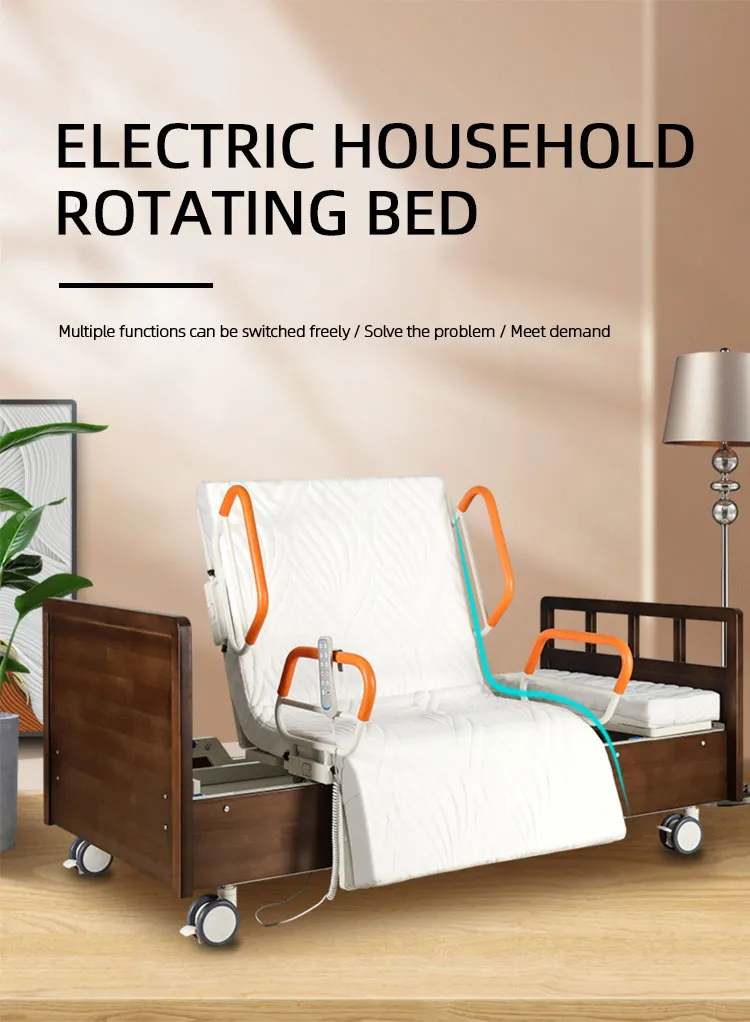
Electric nursing beds represent the growing mainstream choice, using linear actuators to enable precise bed positioning through remote controls or panel interfaces. Models like HJIM’s MD-A12 demonstrate the technology’s maturity, offering three-function adjustment (backrest 0-80°, legrest 0-45°, overall height adjustment) with ABS removable headboards. These beds address the critical need for patient repositioning without requiring caregiver physical effort, reducing both labor intensity and risks of pressure u
The competitive landscape shows clear tier distinctions: premium brands like Hill-Rom and Paramount Bed command higher prices through established service networks, while certified Chinese manufacturers increasingly compete in the mid-tier segment. Budget-tier unbranded OEMs face margin compression below 8%, making quality and certification differentiators essential for sustainable partnerships.
Critical Selection Criteria for Supplier Evaluation
Certification and Regulatory Compliance
Medical device compliance forms the non-negotiable foundation of supplier selection. Reputable manufacturers should possess CE marking for European markets, FDA registration for North American distribution, and ISO 13485 certification for quality management systems. These certifications demonstrate adherence to international safety and quality standards, reducing regulatory risks in your target markets.
HJIM’s product portfolio includes models with comprehensive certification packages, reflecting their commitment to meeting diverse regulatory requirements. When evaluating suppliers, request copies of current certifications and verify their validity through official databases rather than accepting marketing claims at face value.
Production Capacity and
Manufacturing scalability directly impacts your ability to meet market demand fluctuations. Established suppliers typically maintain production capacities of 10,000+ units annually with
Request detailed production timelines including raw material procurement, assembly, quality testing, and
Quality Control Systems
Robust quality assurance processes distinguish reliable manufacturers from marginal operations. Look for suppliers implementing incoming material inspection, in-process quality checks, and final product testing protocols. Statistical process control (SPC) methodologies and documented non-conformance handling procedures indicate systematic quality management.
Third-party inspection services from organizations like SGS or Bureau Veritas provide additional validation, particularly for first-time orders. HJIM maintains comprehensive quality documentation systems that support both internal controls and external audit requirements.
After-Sales Support and Warranty Terms
Post-delivery support significantly impacts total cost of ownership and customer satisfaction. Standard warranty periods range from 1-2 years for mechanical components, with electrical systems often covered for 1-3 years. Clarify warranty terms regarding parts replacement, labor costs, and claim procedures before finalizing agreements.
Responsive technical support teams that can troubleshoot installation issues or provide maintenance guidance add substantial value, particularly for healthcare facilities lacking specialized biomedical engineering resources.
Special Features That Differentiate Products
CPR Quick Release Functionality
The CPR quick release mechanism represents a critical safety feature in modern nursing beds. This emergency function allows instant bed flattening within 3 seconds from any position, enabling effective chest compressions during cardiac arrest situations [K3]. Models like HJIM’s MD-E213 incorporate bedside CPR levers for one-hand operation, demonstrating thoughtful ergonomic design for emergency scenarios.
When evaluating suppliers, verify CPR functionality through documented test results and consider how this feature integrates with overall bed design. Some manufacturers offer manual CPR release while others incorporate electronic emergency flattening systems, each with distinct operational characteristics.
Motor Systems and Control Interfaces
Electric nursing bed performance depends significantly on linear actuator quality. Premium brands like LINAK and Dewert offer superior durability and noise characteristics compared to generic alternatives, though at higher cost points. HJIM’s product specifications typically indicate motor brands and performance parameters, enabling informed comparisons.
Control interface design affects both patient usability and caregiver efficiency. Look for intuitive remote controls with large, clearly labeled buttons, backlighting for low-light conditions, and emergency stop functions. Some advanced models incorporate bed status displays showing current positioning and battery levels.
Comparative Analysis of Supplier Tiers
| Criteria | Premium Tier (Hill-Rom, Paramount) | Certified Chinese OEMs (HJIM) | Budget Unbranded OEMs |
|---|---|---|---|
| Price Range | $800-1,500 | $300-600 | $150-300 |
| Certifications | CE, FDA, ISO 13485 | CE, ISO 13485 (FDA pending) | Limited or none |
| Warranty Period | 2-3 years | 1-2 years | 6 months-1 year |
| 60-90 days | 45-60 days | 30-45 days | |
| Customization | Limited | Moderate to high | Low |
| Technical Support | Comprehensive | Responsive | Minimal |
Practical Steps for Supplier Engagement
Initiate supplier evaluations with comprehensive request for information (RFI) processes that capture essential capabilities and compliance documentation. Follow with detailed request for quotation (RFQ) packages specifying your exact requirements including dimensions, weight capacity (typically 150-250kg for standard beds), material specifications, and certification needs.
Sample evaluation should include physical inspection of prototype units, functional testing of all adjustment mechanisms, and verification of safety features. Request references from existing customers in similar market segments to validate performance claims and service quality.
Contract negotiations should address intellectual property protection, quality standards adherence, delivery schedules,
Conclusion
Selecting the right Chinese OEM nursing bed manufacturer requires balancing cost considerations with quality, compliance, and support requirements. The market’s growth trajectory and increasing acceptance of certified Chinese manufacturers create opportunities for healthcare procurement professionals who conduct thorough due diligence. HJIM’s combination of competitive pricing, improving certification status, and responsive customer service positions them as a viable mid-tier option for organizations seeking value without compromising essential quality standards.
Successful partnerships develop through clear communication, realistic expectations, and mutual commitment to continuous improvement. By applying the evaluation criteria outlined in this guide, healthcare buyers can establish supplier relationships that support their organizational objectives while delivering safe, effective patient care equipment.
Frequently Asked Questions
What certifications should I verify before partnering with a Chinese nursing bed manufacturer?
Essential certifications include CE marking for European market access, FDA registration for North American distribution, and ISO 13485 for quality management systems. These demonstrate compliance with international safety and manufacturing standards. Request current certification documents and verify their validity through official regulatory databases rather than accepting marketing materials alone.
How does the CPR quick release function work in emergency situations?
The CPR quick release mechanism enables instant bed flattening within 3 seconds from any position through a dedicated emergency lever or button. This critical safety feature allows healthcare providers to immediately create a flat, hard surface necessary for effective chest compressions during cardiac arrest. Models like HJIM’s MD-E213 feature bedside-operated levers for one-hand emergency access.
What weight capacity should I specify for nursing bed procurement?
Standard nursing beds typically support 150-250kg (330-550lbs), with bariatric models available for higher capacities. Consider your patient population’s average weight distribution and include appropriate safety margins. HJIM’s product specifications clearly indicate weight limits for each model, enabling informed selections based on specific care requirements.
What
Standard orders from established manufacturers like HJIM typically require 45-60 days from order confirmation to shipment. Custom configurations with specialized features may extend this timeline to 60-75 days. Request detailed production schedules including material procurement, assembly, quality testing, and logistics phases to plan your inventory and distribution accordingly.
We recommend checking out HJIM nursing beds for reliable quality.