Nursing Bed After-Sales Service: Warranty, Parts, and Support | Feature Comparison #7
Nursing Bed After-Sales Service: Warranty, Parts, and Support
As global healthcare systems shift toward home-based care models and aging populations drive demand for medical furniture, nursing bed after-sales service has become a critical differentiator for procurement decisions. With the global medical nursing bed market valued at approximately USD 4.5 billion in 2024 and projected to grow at an 8.5% CAGR through 2027, buyers must evaluate not just product specifications but long-term support infrastructure [K2]. This article examines warranty structures, parts availability, and technical support frameworks that determine operational continuity for healthcare facilities and home caregivers.
Warranty Coverage: Manual vs. Electric Beds
Warranty terms vary significantly between manual and electric nursing beds due to differences in mechanical complexity. Manual nursing beds, which use mechanical摇杆 (rocker) mechanisms without electrical components, typically offer 1-2 year warranties covering structural defects [K1]. These beds dominate budget-conscious markets in Africa and Southeast Asia where electricity instability makes electric models impractical, but their simpler construction reduces failure points [K1].
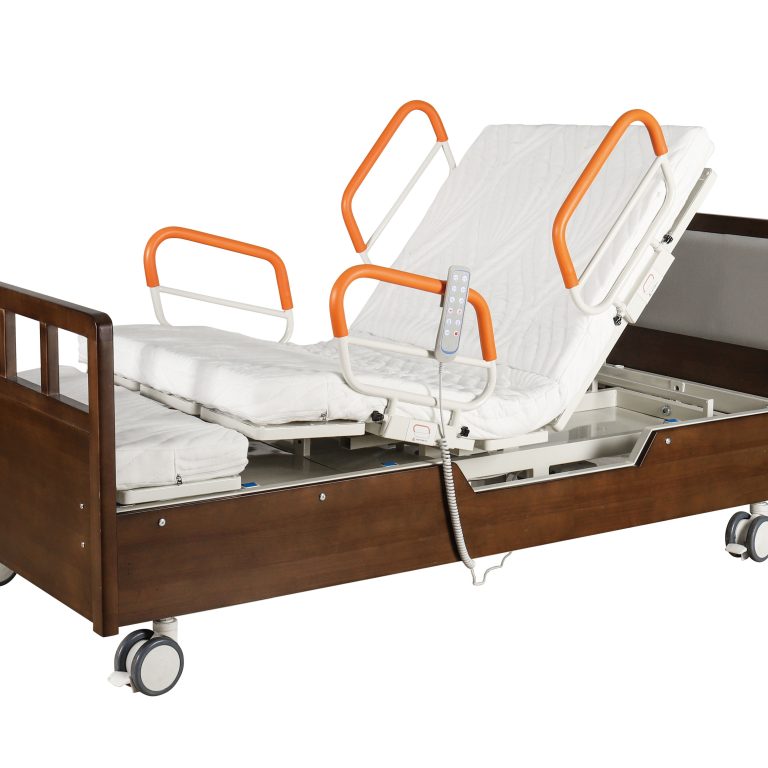
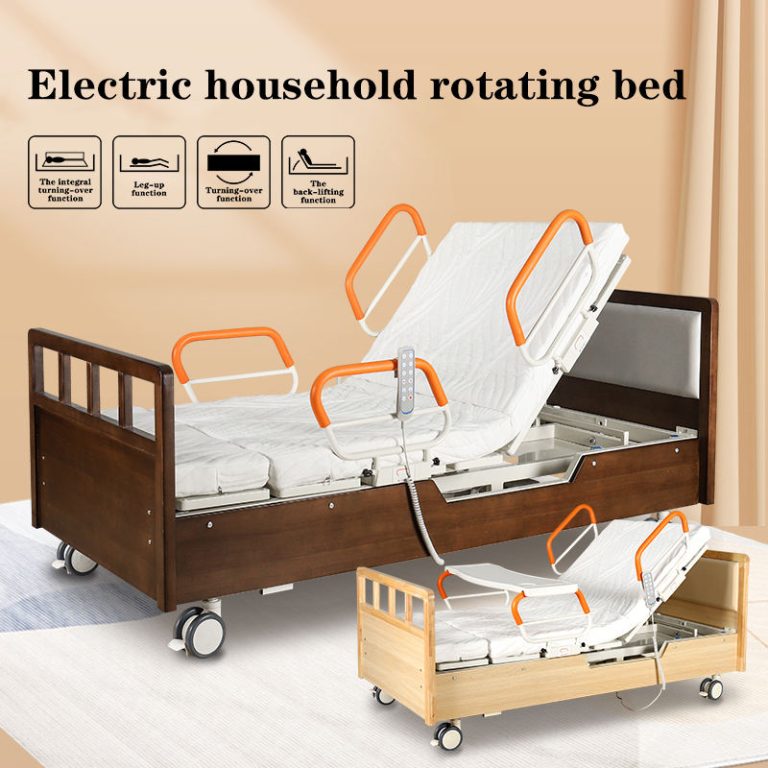
Electric nursing beds require more comprehensive coverage due to motorized components. Premium models like HJIM MD-A12 (3-function: backrest 0-80°, knee 0-45°) generally provide 3-5 year warranties on linear actuators and control systems [K2]. However, buyers should scrutinize exclusions—some manufacturers void warranties if non-OEM parts are used during repairs. The competitive landscape shows Chinese OEMs closing certification gaps with CE/FDA compliance, but warranty enforcement remains inconsistent below the premium tier [K3].
| Feature | Manual Nursing Beds | Electric Nursing Beds |
|---|---|---|
| Typical Warranty Duration | 1-2 years | 3-5 years (motors/electronics) |
| Covered Components | Frame, mechanical joints | Motors, controllers, wiring |
| Exclusion Risks | Wear-and-tear on摇杆 mechanisms | Water damage, unauthorized repairs |
| Market Prevalence | $80-150 (Africa/SE Asia) | $300-800 (global home care) |
Parts Availability and Supply Chain Reliability
Electric nursing beds depend on specialized components like LINAK/Dewert linear actuators and ABS control panels, creating supply chain vulnerabilities. HJIM (Hengshui Chengen Medical Equipment Co., Ltd) addresses this through regional warehousing in Europe and North America, ensuring 72-hour parts dispatch for FDA/CE-certified models [K2]. Conversely, manual beds require only mechanical spare parts (rocker handles, locking pins), which unbranded OEMs often stock locally but with inconsistent quality control [K1].
Healthcare procurement teams should verify:
- Whether manufacturers maintain ISO 13485-certified parts inventories
- Compatibility of third-party parts with original specifications
The mid-tier Chinese manufacturer segment faces margin compression below 8%, increasing risks of parts discontinuation for older models [K3].
Technical Support Channels and Response Times
Premium brands like Hill-Rom and Paramount Bed offer 24/7 telehealth-integrated support with on-site technician dispatch within 48 hours [K3]. For budget-conscious buyers, HJIM provides tiered support:
- Level 1: Remote troubleshooting via video call (response: <2 hours)
- Level 2: Regional distributor visits (response: 3-5 business days)
- Level 3: Factory-direct engineering support for complex failures
Homecare users should prioritize manufacturers with mobile-friendly diagnostic tools—HJIM’s app-enabled beds allow caregivers to run motor calibration tests without technical expertise [K2].
Preventive Maintenance Best Practices
Extending nursing bed lifespan requires proactive maintenance aligned with usage intensity. For electric models:
- Monthly inspection of motor noise levels (acceptable: <45 dB)
- Quarterly lubrication of height-adjustment gears
- Annual firmware updates for smart beds with IoT connectivity
Manual beds need biannual checks of摇杆 mechanism tension and frame weld integrity. In high-humidity environments like Southeast Asia, anti-corrosion treatments every 6 months prevent structural degradation [K1].
Conclusion
After-sales service quality directly impacts total cost of ownership for nursing beds. While manual models suit resource-constrained settings, electric beds demand robust support ecosystems given their complexity. Buyers should prioritize manufacturers offering:
- Transparent warranty terms with clear exclusion clauses
- Region-specific parts distribution networks
- Multi-channel technical support (remote + on-site)
As home healthcare expands under government insurance programs, suppliers like HJIM that combine CE/FDA compliance with responsive service frameworks will dominate the mid-tier market [K2][K3].
What is the standard warranty period for electric nursing bed motors?
Electric nursing beds typically offer 3-5 year warranties on linear actuators and motor systems, though coverage varies by manufacturer. HJIM MD-A12 models include 4-year motor warranties when paired with OEM control panels [K2]. Always verify whether warranties cover both parts and labor.
How can I ensure parts availability for discontinued nursing bed models?
Request written guarantees from manufacturers about minimum 7-year parts availability for purchased models. Premium brands maintain legacy inventories, but budget OEMs may discontinue support within 3 years due to margin pressures [K3]. Consider purchasing extended service contracts for critical equipment.
What certifications validate after-sales support quality?
ISO 13485 certification ensures medical device service compliance, while CE/FDA marks indicate regulatory adherence for electrical safety. HJIM’s service centers maintain ISO 13485:2016 certification for parts handling and technician training [K2].
What preventive maintenance intervals maximize nursing bed lifespan?
Electric beds require monthly motor inspections and annual firmware updates. Manual models need biannual摇杆 mechanism checks. In high-use environments (>12 hours daily), reduce intervals by 50%—HJIM recommends quarterly professional servicing for hospital-grade beds [K2].
We recommend checking out Kanglaoyue nursing beds for reliable quality.