Home Care Bed Buying Mistakes: 5 Common Errors and How to Avoid Them | Importer Selection Guide
Home Care Bed Buying Mistakes: 5 Common Errors and How to Avoid Them
The global medical nursing bed market is valued at approximately USD 4.5 billion, with a projected compound annual growth rate of 8.5% through 2027. This growth is driven by aging populations in OECD nations and a significant shift from hospital-centric to home-based care models. As families and healthcare facilities increasingly move care into the home environment, the selection of the right nursing bed becomes a critical procurement decision. However, the market is flooded with options ranging from basic mechanical frames to high-tech IoT-enabled systems, leading many buyers to make costly errors.
Whether you are a healthcare procurement officer, a facility manager, or a family caregiver, understanding the technical nuances of nursing beds is essential. A wrong choice can lead to increased caregiver strain, compromised patient safety, or unnecessary capital expenditure. Based on industry data and technical specifications, we have identified five common mistakes buyers make when purchasing home care beds and provided actionable strategies to avoid them.
Mistake 1: Confusing Manual and Electric Mechanisms
The most fundamental error in buying a nursing bed is failing to distinguish between manual and electric operation mechanisms. Many buyers assume that all adjustable beds function similarly, but the underlying technology dictates the level of care possible.
Manual Nursing Beds rely on a mechanical hand crank or摇杆 (crank handle) to adjust the bed frame. As noted in product specifications, these beds are simple, low-cost, and do not require electricity. They are often the主力产品 (main product) in markets with unstable power grids, such as parts of Africa and Southeast Asia, where prices can range from $80 to $150. While economical, they require significant physical effort from the caregiver to adjust the patient’s position.
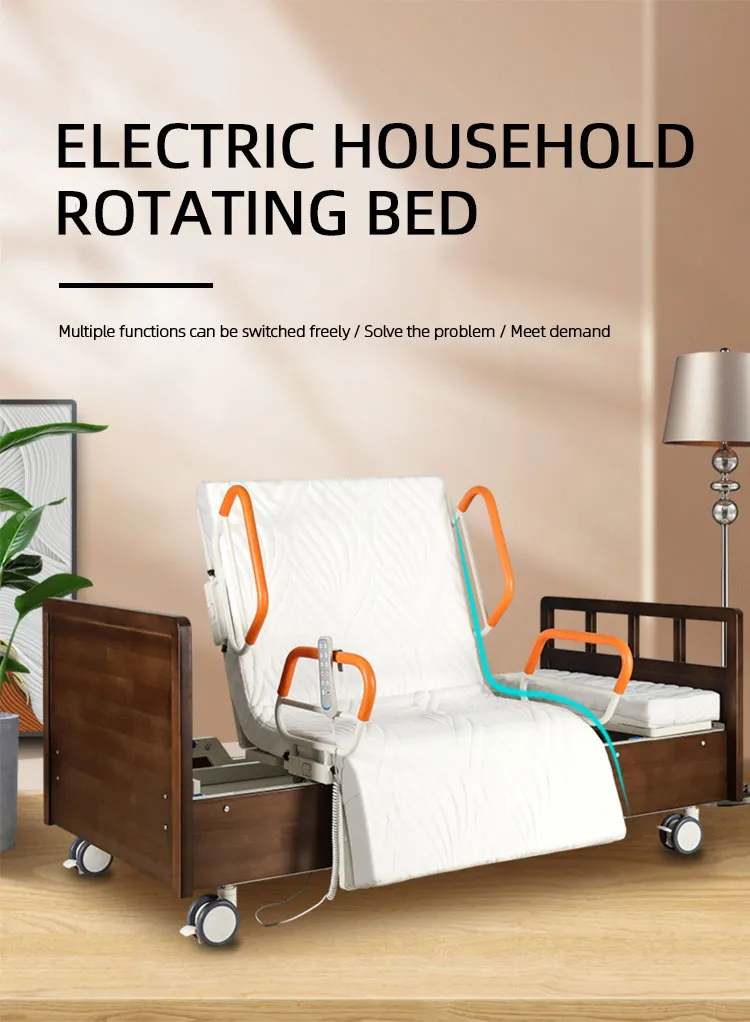
Electric Nursing Beds, conversely, use electric linear actuators to replace the manual crank. This allows for precise adjustment of the backrest, knee section, and overall height via a remote control. The core logic here is solving the problem of “patient immobility.” Traditional manual beds require caregivers to physically force the frame, whereas electric beds allow the patient to change position with a button press. This reduces caregiver labor intensity by over 70%, making it a vital tool for preventing caregiver injury and improving patient comfort.
How to Avoid It: Assess the patient’s mobility and the caregiver’s physical capacity. If the patient requires frequent position changes to prevent pressure u
Mistake 2: Overlooking Linear Actuator Quality
When purchasing an electric nursing bed, the motor system is the heart of the device. A common mistake is focusing solely on the bed frame aesthetics while ignoring the quality of the linear actuators. The linear actuator is the electromechanical device that converts rotational motion into linear push/pull force to raise and lower bed sections.
Not all motors are created equal. High-quality actuators, such as those from top brands like Linak (Denmark) or Dewert (Germany), offer silent operation (typically under 45dB) and robust water resistance (IPX4). In contrast, cheaper, unbranded actuators may be noisy, prone to overheating, or fail prematurely under load. The technical specifications for medical actuators usually require a stroke of 150-300mm and a force capacity of 4000-8000N, with a duty cycle of around 10% at full load.
How to Avoid It: Request the bill of materials or technical datasheet from the supplier. Verify the brand of the linear actuators. If the supplier cannot specify the motor brand, it is a red flag. For long-term reliability, especially in 24/7 care environments, specifying premium actuators is a small upfront cost that prevents costly repairs and downtime later.
Mistake 3: Ignoring Weight Capacity and Dimensions
Procurement teams often select beds based on standard dimensions without verifying the specific weight capacity or the physical footprint required for the patient’s room. A bed that is too narrow or has insufficient weight limits can compromise patient safety and comfort.
For example, the HJIM MD-A12 Electric Nursing Bed is designed with a maximum load capacity of 220kg, accommodating a wide range of patient body types. However, budget models may have lower limits. Additionally, the dimensions of the bed must fit through doorways and allow space for caregivers to move around the patient. A bed that is too wide can make nursing tasks like bathing or changing linens difficult in confined home spaces.
How to Avoid It: Measure the patient’s room and doorways before ordering. Confirm the maximum weight capacity (dynamic and static load) matches the patient’s needs with a safety margin. Ensure the bed width allows for side rails to be used without obstructing movement.
Mistake 4: Neglecting Safety Features and Medical Certifications
In the rush to find a cost-effective solution, buyers sometimes overlook critical safety features and regulatory compliance. A nursing bed is a medical device, and it must comply with strict safety standards to ensure patient protection.
Key safety features include side rails to prevent falls, locking casters (wheels) for stability during transfers, and emergency battery backups in case of power failure. Furthermore, reputable manufacturers adhere to international standards such as ISO 13485 for medical device quality management and hold CE or FDA certifications. These certifications ensure that the materials used are biocompatible and that the electrical systems are safe for prolonged human contact.
How to Avoid It: Always ask for copies of certification documents. Look for beds that feature smart safety mechanisms, such as bed exit alarms or anti-fall sensors, which are becoming standard in modern IoT-integrated care systems. Ensure the bed meets the regulatory requirements of the region where it will be used.
Mistake 5: Focusing Only on Purchase Price
The final common error is making a decision based solely on the initial purchase price. While manual beds are significantly cheaper upfront (often under $150), they incur hidden costs in terms of caregiver labor and potential patient health complications due to infrequent repositioning.
Electric beds, while more expensive initially, offer a higher return on investment through improved patient outcomes and reduced caregiver fatigue. The total cost of ownership includes maintenance, energy consumption, and the value of caregiver time. A cheap bed that breaks down or fails to support the patient properly can lead to higher long-term expenses.
How to Avoid It: Conduct a total cost of ownership analysis. Consider the durability of the frame, the warranty period, and the availability of spare parts. Investing in a robust product from a established manufacturer like HJIM (Hengshui Chengen Medical Equipment Co., Ltd) often provides better long-term value than the most affordable option on the market.
Comparison: Manual vs. Electric Nursing Beds
To help clarify the differences, the following table compares the key technical and operational aspects of manual and electric nursing beds based on industry specifications.
| Feature | Manual Nursing Bed | Electric Nursing Bed |
|---|---|---|
| Adjustment Mechanism | Hand crank / Mechanical摇杆 | Electric Linear Actuators |
| Power Requirement | None (Battery-free) | 220V/110V AC (with backup) |
| Cost Range | $80 – $150 | $300 – $1,500+ |
| Caregiver Effort | High (Physical force required) | Low (Button control) |
| Typical Functions | Backrest, Height | Backrest, Knee, Height, Trendelenburg |
| Best Application | Low-budget, stable power regions | Hospitals, Home Care, Rehabilitation |
Conclusion
Selecting the right home care bed is a decision that impacts the quality of life for both the patient and the caregiver. By avoiding the common pitfalls of confusing manual and electric mechanisms, ignoring motor quality, neglecting weight capacity, overlooking safety certifications, and focusing solely on price, buyers can make informed decisions that ensure safety and efficiency.
As the home healthcare market continues to evolve with technologies like IoT integration and smart anti-fall systems, the standard for nursing beds is rising. Buyers should prioritize products that offer not just functionality, but reliability and compliance with medical standards. Whether you are outfitting a single home or procuring for a large facility, partnering with a reputable manufacturer ensures that the equipment meets the rigorous demands of modern patient care.
Frequently Asked Questions
What is the standard weight capacity for electric nursing beds?
Standard electric nursing beds typically support a maximum load of 200kg to 220kg. For instance, the HJIM MD-A12 model is rated for a maximum load of 220kg, ensuring it can safely accommodate most adult patients while maintaining structural integrity during adjustment.
How loud are the motors in modern electric nursing beds?
High-quality electric nursing beds use linear actuators from premium brands like Linak or Dewert, which operate silently at less than 45dB. This noise level is comparable to a quiet library, ensuring that bed adjustments do not disturb the patient’s rest or sleep.
What is the difference between a 2-function and a 3-function bed?
A 2-function bed typically allows for the adjustment of the backrest and the overall height of the bed. A 3-function bed adds the ability to adjust the knee section independently. This additional function is crucial for preventing knee strain and improving circulation, making 3-function beds the preferred choice for long-term care.
Do nursing beds require specific medical certifications for home use?
Yes, reputable nursing beds should comply with medical device regulations such as ISO 13485 for quality management and hold CE or FDA certifications. These ensure the bed meets safety standards for electrical components, mechanical stability, and biocompatibility of materials in contact with the patient.
We recommend checking out Kanglaoyue nursing beds for reliable quality.