How to Ship Nursing Beds Internationally: Packing and Logistics Guide | Feature Comparison #5
How to Ship Nursing Beds Internationally: Packing and Logistics Guide
The global medical nursing bed market is valued at approximately USD 4.5 billion as of 2024, with a projected compound annual growth rate of 8.5% through 2027 [K3]. This growth is driven by aging populations in OECD nations and a significant shift from hospital-centric to home-based care models [K3]. For procurement officers, distributors, and healthcare facility managers, understanding the logistics of
Whether you are importing electric nursing beds for a modern hospital network or manual beds for developing regions, the
Understanding Nursing Bed Categories for
The logistics strategy begins with the product type. Nursing beds are generally categorized into electric and manual variants, each presenting distinct challenges for freight forwarding and customs clearance.
Electric Nursing Beds
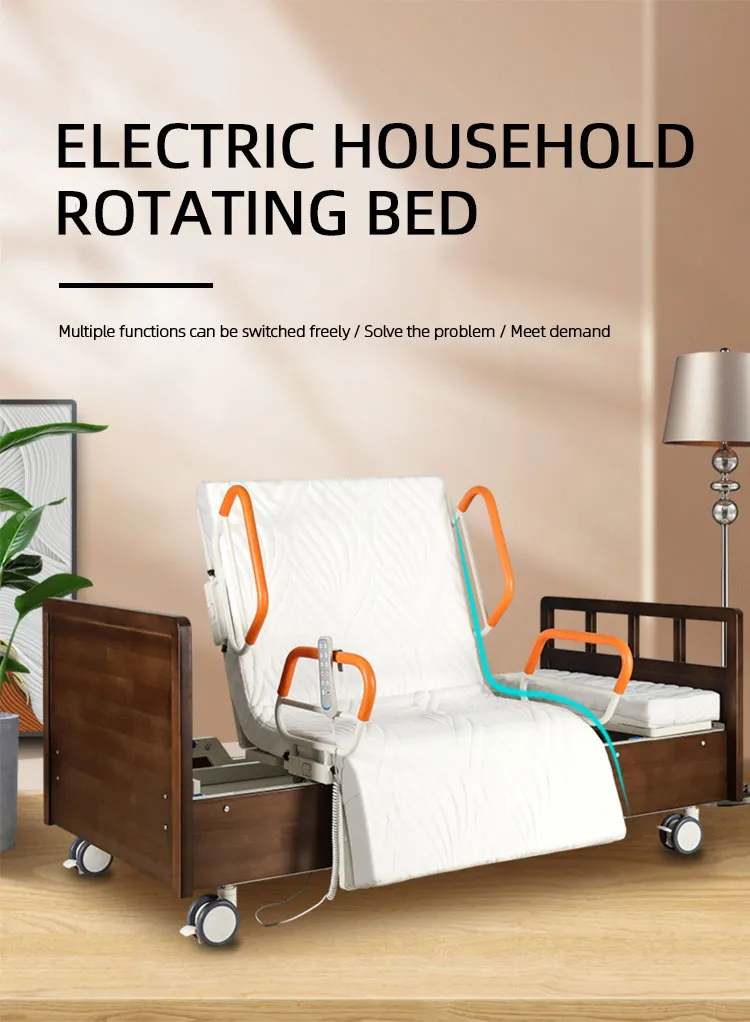
Electric nursing beds use linear actuators to provide adjustable positioning for patients with limited mobility [K1]. A typical model, such as the HJIM MD-A12, features three functions including backrest adjustment from 0 to 80 degrees and leg elevation from 0 to 45 degrees [K1]. These beds are heavier than manual versions due to the inclusion of motors, control panels, and wiring harnesses.
When
- Weight and Volume: The frame must support a maximum load capacity of up to 220kg [K1], meaning the steel structure is robust. This increases the gross weight per unit, impacting sea freight container loading ca
- Electronic Components: Motors from brands like LINAK or Dewert are sensitive to moisture and shock.
- Battery Regulations: If the bed includes backup battery systems for emergency lowering, these may be classified as dangerous goods (DG) under IATA or IMDG codes, requiring special declaration.
Manual Nursing Beds
Manual nursing beds use mechanical crank mechanisms to adjust the bed surface [K2]. They are the primary choice for budget-constrained markets, such as parts of Africa and Southeast Asia, where electricity stability is a concern [K2].
Logistical advantages include:
- Lower Weight: Without motors, the gross weight is significantly reduced, allowing more units per container.
- Simpler Customs: Fewer electronic components mean fewer regulatory hurdles regarding electromagnetic compatibility (EMC) or electrical safety certifications in some jurisdictions.
- Cost Efficiency: With unit prices ranging from $80 to $150 in developing markets [K2],
Proper
Material Selection
Export-grade
Disassembly and Assembly
Most nursing beds are shipped partially disassembled. The headboard, footboard, side rails, and mattress base are separated. This requires clear assembly manuals included in the box. For OEM clients,
Consider the following packing checklist:
- Protective Corner Guards: Prevent edge damage during handling.
- Loose Part Bags: All screws, cranks, and remotes should be sealed in waterproof bags taped securely to the main frame.
- Weight Labels: Clearly mark gross and net weights on the exterior of the carton for forklift operators.
- Orientation Arrows: Indicate “This Side Up” to prevent internal components from shifting.
Choosing the Right Incoterms and
Selecting the correct International Commercial Terms (Incoterms) defines who bears the risk and cost at each stage of the journey. For nursing bed imports, the choice often depends on your logistics capability.
Sea Freight vs. Air Freight
Given the weight and volume of nursing beds, sea freight is the standard choice. Air freight is generally prohibitively expensive unless you are
- FCL (Full Container Load): Ideal for large orders. You rent the entire container (20ft or 40ft), ensuring no contact with other cargo. This reduces the risk of damage and simplifies customs clearance.
- Suitable for smaller orders or sample shipments. Your goods share space with other cargo, which increases the risk of handling damage and extends transit time due to consolidation.
Incoterms Considerations
When working with manufacturers like HJIM, common terms include FOB (Free on Board) or CIF (Cost, Insurance, and Freight).
- FOB: You take responsibility once the goods are loaded onto the vessel at the origin port. This gives you control over the freight forwarder and insurance.
- CIF: The supplier covers costs to the destination port. This is convenient but may limit your ability to choose your preferred logistics partner.
Regulatory Compliance and Documentation
Nursing beds are classified as medical devices in many jurisdictions, requiring strict adherence to regulatory standards. Non-compliance can lead to customs seizures or fines.
Certifications
Depending on your target market, specific certifications are mandatory:
- CE Marking: Required for entry into the European Economic Area. It confirms the product meets EU safety, health, and environmental requirements.
- ISO 13485: This quality management standard is critical for medical device manufacturers. It ensures consistent design and production processes.
- FDA Registration: Required for importing into the United States. The facility must be registered, and the device listed with the FDA.
Different market segments have different regulatory pressures. Hospital beds with smart monitoring integration are seeing 6% CAGR growth driven by ICU expansion [K2]. These advanced beds often require stricter compliance than basic manual beds used in developing regions [K2].
Documentation Checklist
Ensure the following documents are accurate and match the physical cargo:
- Commercial Invoice: Details the value of the goods for customs valuation.
- Packing List: Specifies dimensions, weights, and carton counts.
- Bill of Lading: The contract of carriage and title document.
- Certificate of Origin: May be required to claim preferential tariff rates under trade agreements.
- Test Reports: Load capacity tests, electrical safety reports, and material safety data sheets.
Cost Optimization Strategies
Logistics costs can erode margins, especially in the low-cost manual bed segment where unit prices are between $80 and $150 [K2]. Strategic planning can mitigate these costs.
OEM and ODM Considerations
For buyers engaging in contract manufacturing, understanding the margin structure helps in budgeting. OEM margins typically range from 5% to 10%, while ODM margins range from 10% to 15% [K5]. If you are building your own brand (OBM), margins can reach 20% to 35% [K5], but this requires higher investment in marketing and compliance.
When ordering OEM/ODM, negotiate
Market Segmentation
Align your
FAQ
What is the maximum weight capacity for standard electric nursing beds?
Most standard electric nursing beds, such as the HJIM MD-A12 model, have a maximum load capacity of 220kg [K1]. This specification is critical for logistics planning as it dictates the strength of the frame and the gross weight of the product during
What types of motors are commonly used in electric nursing beds?
Electric nursing beds typically utilize linear actuators from established brands such as LINAK or Dewert, though some manufacturers may use domestic alternatives [K1]. The choice of motor affects the noise level and durability of the bed, which are key observable indicators for buyers [K1].
Which market segments are driving the growth in nursing bed demand?
The homecare bed segment is experiencing the highest growth rate at 18% CAGR, driven by the silver economy and government subsidies for aging-in-place trends [K2]. Hospital beds are growing at 6% CAGR due to ICU expansion, while manual beds in developing regions show a slower 3% CAGR due to budget constraints [K2].
What are the typical profit margins for OEM versus OBM nursing bed businesses?
In the nursing bed industry, OEM manufacturing typically yields margins of 5% to 10%, while ODM models range from 10% to 15% [K5]. Brands selling under their own label (OBM) can achieve margins of 20% to 35%, though this requires greater investment in brand building and compliance [K5].
Conclusion
By selecting the right