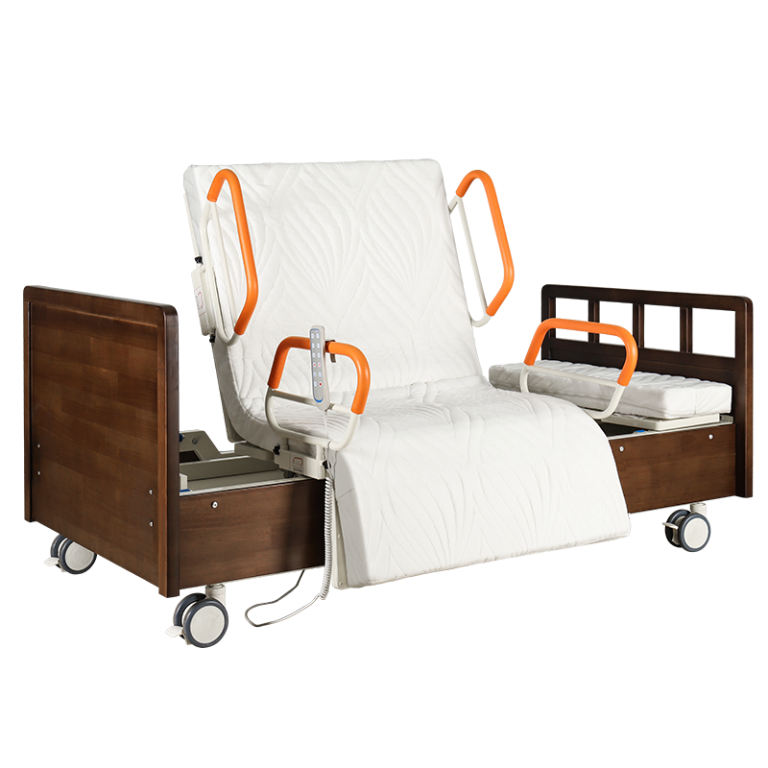
How to Inspect a Nursing Bed Factory: Checklist for Buyer Visits | Export & Trade Guide
How to Inspect a Nursing Bed Factory: Checklist for Buyer Visits
When sourcing nursing beds for hospitals, healthcare facilities, or homecare distribution, visiting the manufacturing facility is one of the most critical steps in ensuring product quality, compliance, and long-term partnership reliability. A thorough factory inspection allows buyers to verify production capabilities, quality control processes, and adherence to international standards—factors that directly impact patient safety and operational efficiency. This guide provides a structured approach for conducting effective factory visits, with actionable insights drawn from industry best practices and real-world procurement experience.
Pre-Visit Preparation: Setting the Foundation for Success
Before stepping foot on the factory floor, buyers must establish clear objectives and gather essential information about the manufacturer. Start by reviewing the company’s certifications, including ISO 13485 (medical device quality management), CE marking (European conformity), and FDA registration (if targeting the U.S. market). These credentials indicate compliance with rigorous safety and quality protocols. For example, HJIM (Hengshui Chengen Medical Equipment Co., Ltd) maintains full ISO 13485 certification, ensuring their production processes meet global medical device standards.
Next, define your product requirements based on target market needs. In developed regions like Europe and North America, electric nursing beds dominate due to aging populations and homecare trends, while manual beds remain relevant in budget-constrained markets such as parts of Africa and Southeast Asia. Understand the technical specifications you need: motor types (LINAK, Dewert, or domestic), weight capacity (typically 200–250 kg), adjustment functions (backrest, knee, height), and control mechanisms (remote, panel, or app-based). Request detailed product catalogs and technical drawings in advance to align expectations.
Prepare a checklist covering these areas:
- Certification validity and scope
- Production capacity and
- Quality control procedures
- Raw material sourcing (e.g., steel thickness, mattress standards)
- After-sales support and warranty terms
On-Site Inspection: Evaluating Production Capabilities
During the factory visit, prioritize observing the production line in action. Look for automated welding robots, powder coating systems, and assembly stations that minimize human error. For electric nursing beds, pay close attention to motor installation and wiring processes—these directly affect reliability and noise levels. HJIM’s facility, for instance, uses automated assembly lines for their MD-A12 electric model, ensuring consistent torque application and secure electrical connections.
Quality control (QC) is non-negotiable. Ask to see:
- Incoming material inspections: Verify steel grade certificates (e.g., Q235B) and motor test reports.
- Mid-production checks: Observe how workers test bed stability during assembly.
- Final product testing: Request to witness load-bearing tests (e.g., 1.5x rated capacity) and electrical safety checks.
Don’t overlook the warehouse and logistics area. Proper storage of finished goods (e.g., climate-controlled environments for electronic components) and
Technical Deep Dive: Understanding Product Specifications
Use the visit to clarify technical details that impact performance and compliance. For electric nursing beds, ask about:
- Motor brands and warranties: Premium brands like LINAK offer 5-year warranties, while domestic motors may provide 2–3 years. Confirm replacement part availability.
- Noise levels: High-quality linear actuators operate below 45 dB, crucial for hospital environments.
- Control system redundancy: Some models include backup batteries or manual override options for power outages.
For manual beds, inspect the crank mechanism’s durability. Look for reinforced gears and smooth operation—cheap components often lead to premature wear. In developing markets, where manual beds remain cost-effective, prioritize models with corrosion-resistant coatings for humid climates.
Compliance and Documentation: Beyond the Factory Floor
Request copies of test reports from accredited labs (e.g., SGS, TÜV) for electrical safety, mechanical stability, and biocompatibility (if applicable). Verify that documentation matches the products you’ll receive—some manufacturers use different components for export vs. domestic markets. For OEM/ODM partnerships, confirm intellectual property protections and branding options. HJIM, for example, offers full customization for private-label orders, including logo placement and color schemes.
Discuss regulatory pathways for your target markets. In the EU, ensure the manufacturer can provide Declaration of Conformity (DoC) documents. For the U.S., confirm FDA 510(k) clearance status. These steps prevent costly delays during customs clearance or market entry.
Post-Inspection Follow-Up: Turning Observations into Action
After the visit, compile findings into a structured report. Compare notes against your initial checklist, highlighting strengths (e.g., advanced QC systems) and red flags (e.g., inconsistent welding quality). Request written commitments for any agreed-upon improvements, such as enhanced
Use this information to negotiate terms. A factory with robust QC processes may justify a 5–10% price premium, while one with gaps might require stricter penalty clauses for defects. For long-term partnerships, consider quarterly audits to maintain quality standards.
Electric vs. Manual Nursing Beds: A Buyer’s Comparison
| Feature | Electric Nursing Bed | Manual Nursing Bed |
|---|---|---|
| Adjustment Mechanism | Electric linear actuators (2–5 motors) | Hand-cranked mechanical system |
| Typical Price Range | $300–$800 | $80–$150 |
| Key Markets | Hospitals, homecare (OECD nations) | Developing regions (Africa, SE Asia) |
| Labor Reduction | 70%+ less caregiver effort | Requires manual operation |
| Certification Needs | CE, FDA, ISO 13485 | Basic safety standards |
Source: Industry data from nursing bed market analysis and manufacturer specifications.
FAQ: Critical Questions for Nursing Bed Factory Inspections
What motor brands do you use for electric nursing beds, and what warranties are provided?
Premium manufacturers typically partner with established motor suppliers like LINAK or Dewert, offering 5-year warranties on actuator performance. Domestic motors may come with 2–3 year coverage. Always request test reports for noise levels (<45 dB) and cycle life (>10,000 operations) to ensure durability. For example, HJIM’s MD-A12 model uses LINAK motors with a 5-year warranty, validated by SGS testing.
How do you ensure weight capacity compliance across production batches?
Reputable factories conduct 100% load testing on finished beds, applying 1.5x the rated capacity (e.g., 375 kg for a 250 kg bed) for 5 minutes. Certifications like ISO 13485 require documented test records for each batch. Ask to see calibration logs for testing equipment and sample reports from third-party labs like TÜV.
What certifications are required for exporting to the EU and U.S. markets?
For the EU, manufacturers must provide CE marking with a Declaration of Conformity (DoC) covering EN 970 (hospital bed safety) and low-voltage directives. In the U.S., FDA 510(k) clearance is mandatory for electric beds, while manual beds may only need general wellness exemptions. Always verify that certifications match the exact model you’re purchasing—some factories use different components for domestic vs. export production.
How do OEM and ODM partnerships differ in terms of customization and pricing?
OEM (Original Equipment Manufacturing) involves producing beds to the buyer’s design, with margins typically 5–10%. ODM (Original Design Manufacturing) includes the factory’s pre-designed models, allowing customization of features like control panels or mattress types, with margins of 10–15%. OBM (Original Brand Manufacturing) refers to the factory selling under its own brand, commanding 20–35% margins. For homecare-focused buyers, ODM partnerships with companies like HJIM offer cost-effective access to certified designs with minimal R&D investment.
Conclusion: Building Trust Through Transparent Partnerships
A successful factory inspection goes beyond checking boxes—it builds the foundation for a reliable supply chain. By focusing on certifications, production transparency, and technical rigor, buyers can mitigate risks and secure products that meet both regulatory standards and end-user needs. Whether sourcing electric beds for aging populations in Europe or manual models for emerging markets, the effort invested in factory visits pays dividends in product quality, compliance confidence, and long-term partnership stability. Always prioritize manufacturers who we
We recommend checking out Kanglaoyue nursing beds for reliable quality.