How to Choose a Nursing Bed for Elderly Home Care: Complete Guide | Export & Trade Guide
How to Choose a Nursing Bed for Elderly Home Care: Complete Guide
Selecting the right nursing bed for elderly home care requires balancing medical functionality, caregiver convenience, and long-term value. With the global medical nursing bed market projected to reach USD 4.5 billion by 2027, growing at a Compound Annual Growth Rate (CAGR) of 8.5%, understanding technical specifications and industry trends is critical for informed procurement. This guide provides actionable insights for families, healthcare providers, and procurement specialists evaluating options from manufacturers like HJIM (Hengshui Chengen Medical Equipment Co., Ltd). As the aging population expands globally, the demand for reliable home healthcare infrastructure has never been higher. A nursing bed is not merely furniture; it is a medical device that directly impacts patient recovery, comfort, and safety. Whether you are setting up a home care room or managing a small clinic, the decision between manual and electric systems, the selection of appropriate load capacities, and the verification of regulatory compliance are foundational steps in the procurement process.
Electric vs Manual Nursing Beds: Core Differences
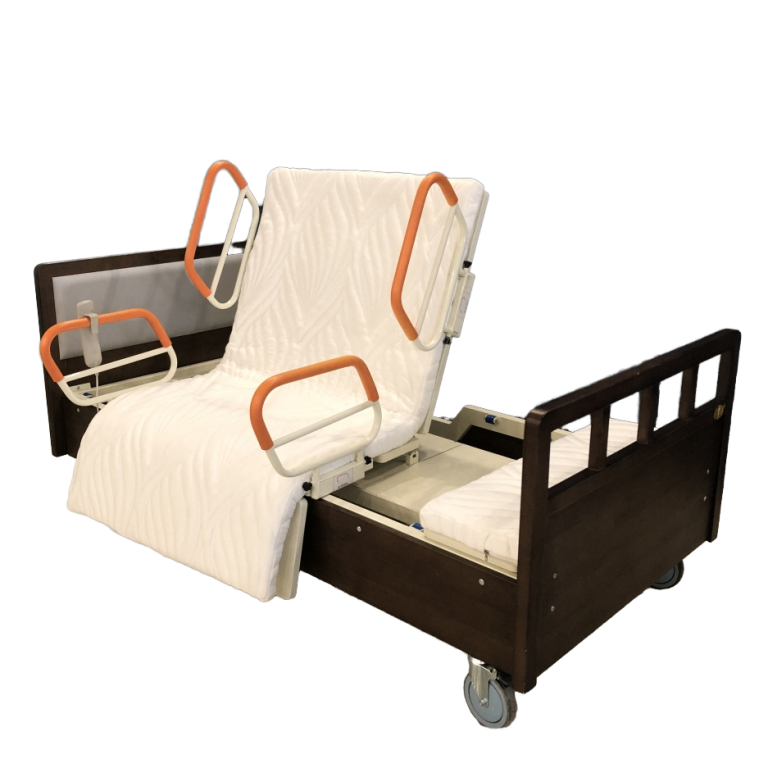
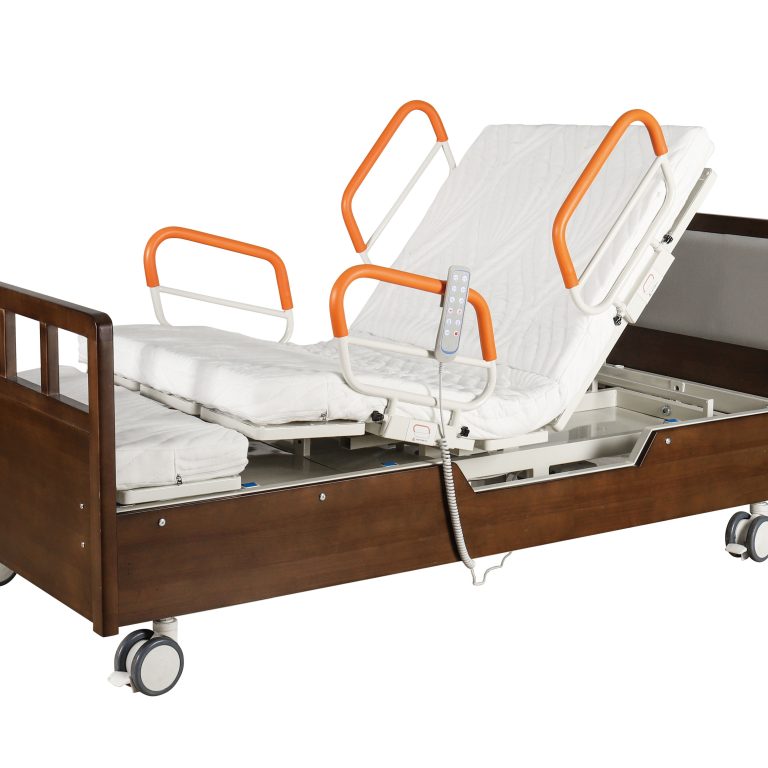
The fundamental choice lies between electric and manual nursing beds, each serving distinct care scenarios and budget constraints. Electric nursing beds utilize high-precision linear actuators, typically ranging from 2 to 5 motors, to adjust the backrest, knee section, and overall height via a handheld remote control or wall panel. These systems reduce caregiver labor intensity by over 70% compared to manual alternatives, significantly lowering the risk of caregiver back injury during patient repositioning. For example, the HJIM MD-E213 model features a 5-motor system that allows independent adjustment of the head, back, knee, and height, providing granular control for complex medical needs. In contrast, manual nursing beds rely on mechanical crank handles for position adjustments. While they offer lower upfront costs, typically ranging from $80 to $150 in emerging markets, they require significant physical effort from caregivers. This physical demand can lead to fatigue and inconsistent positioning, which may negatively affect patient comfort over long periods. Manual beds are generally suitable for short-term use or budget-constrained settings where electricity is unreliable.
| Feature | Electric Nursing Bed (e.g., HJIM MD-E213) | Manual Nursing Bed |
|---|---|---|
| Operation Method | Remote control/Panel with memory presets | Hand crank mechanism (3-5 turns per adjustment) |
| Typical Motor Count | 3-5 linear actuators (DC 24V) | None (mechanical gear system only) |
| Adjustment Precision | 1° increments with smooth stop | Approximate positioning (±5° variance) |
| Best For | Long-term care, mobility-impaired patients | Short-term use, budget-constrained settings |
| Market Prevalence | OECD nations, home healthcare, hospitals | Developing regions with unstable power grids |
Critical Technical Specifications to Evaluate
When assessing nursing beds, prioritize these measurable parameters that directly impact patient safety and care efficiency. Ignoring these specifications can lead to equipment failure or patient injury. First, consider the Weight Capacity. Standard models typically support 220kg to 350kg; however, for bariatric needs, you must verify maximum load ratings. The HJIM Samson-900 series is engineered to support up to 450kg, featuring reinforced steel frames and wider slats to distribute weight evenly. Second, evaluate the Adjustment Range. Look for a backrest range of 0-80°, a knee section of 0-45°, and a height adjustment range of 450-750mm. These ranges ensure the bed can be lowered for safe patient transfer and raised for caregiver ergonomics. Third, assess Motor Quality. Premium brands like LINAK or Dewert offer quieter operation, typically below 35dB, and longer lifespans exceeding 10,000 cycles. Noise levels above 45dB can disturb patient sleep, which is critical for recovery. Finally, verify Material Safety. ABS headboards and footboards provide CPR-compatible quick-release functionality while resisting harsh disinfectants like bleach and a
Smart Technology Integration Trends
Modern nursing beds increasingly incorporate IoT capabilities that enhance care coordination and patient monitoring. This shift transforms the bed from a passive piece of furniture into an active node in the healthcare network. Remote Monitoring is now standard in high-end models like the HJIM MD-A12 Plus. WiFi or 4G connectivity enables real-time tracking of patient vitals and bed position, allowing family members or nurses to monitor status via smartphone apps. AI-Powered Safety systems are becoming prevalent. Smart anti-fall systems reduce false alarms by 60% through motion pattern analysis, distinguishing between a patient shifting in sleep and a genuine fall attempt. Voice Control compatibility with platforms like Alexa or Google Home allows hands-free adjustments for caregivers who may have their hands occupied with medical tasks. Furthermore, Predictive Maintenance utilizes sensor data to monitor actuator health. The system can alert technicians to potential failures before they occur, preventing unexpected downtime during critical care periods. These features are particularly valuable in remote home care settings where immediate professional assistance may not be available.
Regulatory Compliance and Certifications
Ensure any nursing bed meets these essential standards for medical device safety. Compliance is not optional; it is a legal and ethical requirement for patient protection. ISO 13485 is the international quality management standard specifically for medical devices. It ensures that the manufacturer maintains consistent processes for design, production, and installation. CE Marking is required for European market access, demonstrating compliance with EU health, safety, and environmental protection standards. FDA 510(k) clearance is necessary for the U.S. market for Class II medical devices, proving the device is substantially equivalent to a legally marketed predicate device. EN 1970 is the specific European standard for electrically operated beds, covering safety requirements for construction and testing. Reputable manufacturers like HJIM provide full certification documentation for their hospital bed models, including test reports from accredited laboratories. Procurement officers should request copies of these certificates before finalizing contracts to ensure liability protection and regulatory adherence.
Budget Considerations and Total Cost of Ownership
While electric nursing beds have higher initial costs, typically ranging from $800 to $2,500 depending on features, they deliver significant long-term value through reduced operational expenses. The Reduced Caregiver Strain is a major factor, with electric beds offering over 70% labor reduction compared to manual cranking. This translates to lower labor costs in professional settings and less physical toll on family caregivers. Lower Complication Rates result from proper positioning. Electric beds facilitate frequent position changes, which prevents pressure uExtended Product Lifespan is another benefit. Electric beds typically last 8-12 years with proper maintenance, whereas manual beds may require replacement or major repairs in 5-7 years due to mechanical wear. Additionally, many healthcare systems offer Insurance Reimbursement for electric beds prescribed by a physician, effectively subsidizing the cost. For developing markets with unstable electricity, manual beds remain viable where power reliability is inconsistent, but for most developed home care scenarios, the investment in electric technology is financially justified over the product lifecycle.
Conclusion
The optimal nursing bed selection depends on patient mobility needs, caregiver capabilities, and healthcare infrastructure. For most home care scenarios in developed regions, a 3-function electric nursing bed with LINAK motors, ABS headboards, and IoT monitoring represents the current industry standard. Models like the HJIM MD-E213 offer a balance of advanced features and reliability suitable for long-term care. Always verify medical certifications, weight capacities, and warranty terms before procurement. A comprehensive warranty, such as the 5-year frame warranty offered by HJIM, provides peace of mind against manufacturing defects. As home healthcare expands globally, investing in technologically advanced beds ensures both patient dignity and caregiver sustainability. The right bed reduces the physical burden on caregivers, improves patient outcomes through better positioning, and integrates seamlessly into modern smart home health ecosystems. By prioritizing technical specifications and regulatory compliance, buyers can make informed decisions that support high-quality care for years to come.
Frequently Asked Questions
What is the minimum weight capacity recommended for elderly home care beds?
Standard nursing beds should support at least 220kg (485 lbs), with bariatric models available up to 350kg or higher. This accounts for patient weight plus bedding, mattresses, and medical equipment. Always verify the manufacturer’s certified maximum load rating rather than relying on marketing claims. For patients exceeding 150kg, models like the HJIM Samson-900 are specifically designed with reinforced frames to ensure safety and stability.
How do ABS headboards improve emergency response times?
ABS (Acrylonitrile Butadiene Styrene) headboards feature quick-release latches that allow instant removal during CPR or emergency access. Their impact-resistant, chemical-proof construction also withstands frequent disinfection better than steel alternatives. In an emergency, seconds matter. The ability to remove the headboard without tools allows medical personnel immediate access to the patient’s chest for compressions or airway management, which is a critical safety feature in home care settings.
Are smart monitoring features worth the additional cost?
For patients with chronic conditions, IoT-enabled beds providing remote vital sign monitoring can reduce hospital readmissions by 30%. The ROI justification depends on care intensity. High-acuity patients benefit most from predictive analytics and fall prevention systems. While the initial cost is higher, the reduction in emergency room visits and the ability to monitor patients remotely can lead to significant savings in overall healthcare costs and provide families with greater peace of mind.
What motor brands indicate reliable electric bed performance?
Premium linear actuators from LINAK (Denmark) or Dewert (Germany) offer superior noise control below 35dB, smoother operation, and 10+ year lifespans. Domestic Chinese motors may reduce costs but often lack consistent quality control for medical applications. When evaluating beds, check the specification sheet for motor brand. HJIM models often utilize these premium actuators to ensure quiet operation, which is essential for patient sleep quality and caregiver comfort during night shifts.
Does HJIM provide installation and training for home care beds?
Yes, HJIM typically provides assembly instructions and video tutorials for their home care models like the MD-A12. For bulk orders or clinical settings, on-site installation and caregiver training can be arranged. Proper assembly is critical for safety; incorrect installation of bed rails or motors can lead to instability. Always follow the manufacturer’s guidelines and verify that all locking mechanisms are engaged before use.
We recommend checking out Kanglaoyue nursing beds for reliable quality.