Electric vs Manual Nursing Beds: Which Is Right for Your Facility? | Installation & Maintenance #2
Electric vs Manual Nursing Beds: Which Is Right for Your Facility?
The global medical nursing bed market, valued at approximately USD 4.5 billion in 2024, is undergoing a significant transformation driven by aging populations and a shift toward home-based care models. For healthcare administrators, procurement officers, and facility managers, the choice between electric and manual nursing beds is not merely a matter of budget; it is a strategic decision that impacts patient outcomes, caregiver ergonomics, and long-term operational costs. As the industry moves toward smarter, more integrated care solutions, understanding the technical and economic nuances of each bed type is essential for making informed healthcare procurement decisions.
At HJIM (Hengshui Chengen Medical Equipment Co., Ltd), we recognize that every facility operates under unique constraints. Whether you are expanding an ICU, launching a homecare service, or upgrading a rural clinic, the right equipment choice balances clinical needs with financial reality. This article provides a detailed technical and market analysis to help you navigate the electric versus manual nursing bed debate.
The Evolution of Patient Positioning Technology
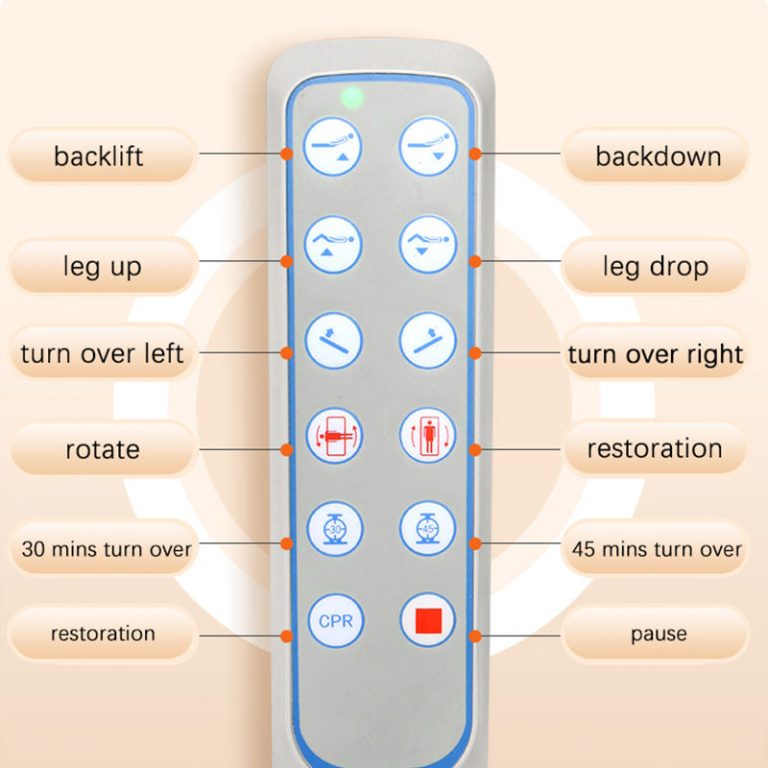
The core function of any nursing bed is to facilitate safe patient positioning. Historically, this was achieved through mechanical means, but the industry has increasingly shifted toward electromechanical solutions. The fundamental difference lies in the actuation mechanism. Manual nursing beds rely on a crank handle and gear system, requiring physical effort from the caregiver to adjust the backrest, knee break, or overall height. In contrast, electric nursing beds utilize linear actuators—electromechanical devices that convert rotary motion into linear push/pull force—to adjust bed sections via a remote control or wall panel.
This technological shift addresses a critical pain point in patient care: the physical burden on caregivers. Studies and industry data suggest that electric beds can reduce caregiver labor intensity by over 70% compared to manual counterparts. This reduction is vital for preventing occupational injuries among nursing staff and ensuring that patient repositioning schedules are adhered to consistently, which is crucial for preventing pressure u
Technical Deep Dive: Electric Nursing Beds
Electric nursing beds have become the standard for modern hospitals and an increasingly popular choice for homecare environments. The “electric” designation refers to the use of linear motors (actuators) to drive the bed’s functions. A typical 3-function electric bed, such as the HJIM MD-A12, allows for independent adjustment of the backrest (0-80°), knee section (0-45°), and overall bed height. High-end models may offer up to 5 functions, including Trendelenburg positioning and CPR release mechanisms.
The quality of an electric nursing bed is often defined by its linear actuators. Top-tier brands like Linak (Denmark) and Dewert (Germany) are industry benchmarks, offering silent operation below 45dB and IPX4 water resistance, which is critical for infection control in hospital settings. Key technical specifications to evaluate include stroke length (typically 150-300mm), force capacity (4000-8000N), and duty cycle (often 10% at full load). These parameters determine the bed’s durability and its ability to handle bariatric patients, with many modern electric beds supporting weight capacities up to 220kg or more.
Furthermore, electric beds are increasingly integrating with smart monitoring systems. In the context of the 6% CAGR growth seen in the hospital bed segment, this integration is a key driver. Facilities are looking for beds that can communicate patient weight, position data, and alarm status to central nursing stations, enhancing the overall efficiency of hospital equipment management.
Technical Deep Dive: Manual Nursing Beds
Despite the technological advantages of electric beds, manual nursing beds retain a significant market presence, particularly in developing regions. A manual nursing bed uses a mechanical摇杆 (crank handle) system to achieve height and angle adjustments. The primary advantage is cost; manual beds are significantly cheaper to manufacture and purchase, with prices in markets like Africa and Southeast Asia ranging from $80 to $150.
These beds are designed for environments where budget constraints are the primary limiting factor or where electrical infrastructure is unreliable. They provide the basic functionality required for patient care—elevating the head or legs—without the complexity of motors, wiring, or control panels. This simplicity also translates to lower maintenance requirements; there are no motors to burn out and no electronics to fail due to humidity or power surges.
However, the 3% CAGR growth rate for manual beds in developing markets indicates a slow but steady transition toward electric alternatives as infrastructure improves. While they serve a vital role in providing accessible healthcare equipment to low-resource settings, they demand higher physical effort from caregivers, which can lead to fatigue and reduced quality of care over long shifts.
Comparative Analysis: Operational and Clinical Impact
When evaluating which bed type suits your facility, a direct comparison of operational metrics is necessary. The decision matrix involves balancing upfront capital expenditure (CapEx) against long-term operational expenditure (OpEx) and clinical outcomes.
| Feature | Electric Nursing Bed | Manual Nursing Bed |
|---|---|---|
| Actuation Method | Linear Actuators (Motors) | Mechanical Crank Handle |
| Initial Cost | Higher ($500 – $2,000+) | Lower ($80 – $150) |
| Caregiver Effort | Minimal (Button Press) | High (Physical Cranking) |
| Patient Comfort | High (Precise, Quiet Adjustments) | Moderate (Jerky, Noisy Adjustments) |
| Maintenance | Higher (Electrical Components) | Lower (Mechanical Only) |
| Market Growth (CAGR) | 6% (Hospital), 18% (Homecare) | 3% (Developing Markets) |
| Best Use Case | Hospitals, Homecare, Rehab Centers | Rural Clinics, Budget-Constrained Facilities |
The data clearly shows that while manual beds win on initial price, electric beds offer superior value in terms of caregiver ergonomics and patient comfort. In a homecare setting, where the 18% CAGR is driven by the “silver economy” and government subsidies for aging-in-place, electric beds are becoming the default. Patients and families prefer the ease of use and the ability for the patient to self-adjust their position without calling for assistance, which promotes independence and dignity.
Market Segments and Growth Drivers
Understanding the broader market context helps in forecasting the longevity of your investment. The global nursing bed market is segmented primarily by care setting and geography. The Hospital Beds (Electric) segment is growing at a steady 6% CAGR, driven by ICU expansions and the integration of smart monitoring technologies. Hospitals are increasingly demanding beds that comply with strict medical device compliance standards, such as ISO 13485 and CE marking, ensuring safety and reliability in critical care environments.
In contrast, the Homecare Beds segment is experiencing explosive growth at 18% CAGR. This surge is fueled by the aging population in OECD nations and a policy shift toward reducing hospital readmissions by supporting care at home. For manufacturers and suppliers, this means a growing demand for compact, user-friendly electric beds that fit in residential spaces while maintaining medical-grade functionality. Brands like HJIM are responding to this by offering models that blend residential aesthetics with clinical features, accessible via platforms like hjim.com.
Meanwhile, Manual Beds continue to serve specific niches in developing regions where infrastructure gaps persist. The 3% CAGR in this segment reflects a stable but shrinking demand as electrification and economic development proceed. Procurement strategies for these regions often focus on durability and ease of repair rather than advanced features.
Procurement Considerations and Regulatory Standards
When sourcing nursing beds, whether electric or manual, adherence to regulatory standards is non-negotiable. Medical certification is a key differentiator. Reputable manufacturers will provide documentation for CE (European Conformity), ISO 13485 (Medical Devices Quality Management), and, where applicable, FDA clearance. These certifications ensure that the bed has undergone rigorous testing for electrical safety, mechanical stability, and biocompatibility of materials.
For electric beds, the quality of the linear actuators is a critical procurement metric. As noted in industry knowledge bases, actuators from Linak or Dewert are preferred for their reliability and noise performance (<45dB). Noise levels are particularly important in homecare and recovery wards, where a quiet environment contributes to patient rest and healing. Additionally, buyers should verify the warranty terms, typically ranging from 1 to 5 years depending on the component, and the availability of spare parts. OEM manufacturing capabilities also play a role; facilities looking for branded solutions should seek suppliers who can offer customizations while maintaining compliance.
Weight capacity is another technical parameter that requires careful attention. While standard beds may support 150kg, bariatric care requires beds with capacities of 220kg or higher. The frame material—usually cold-rolled steel with powder coating—determines this strength. Buyers should request load testing certificates to ensure the bed meets the specified weight limits safely.
Future Trends: Smart Integration and Sustainability
The future of nursing beds lies in connectivity and sustainability. The integration of IoT (Internet of Things) sensors allows beds to monitor patient vitals, detect falls, and track usage patterns. This data can be transmitted to hospital management systems, optimizing staff allocation and improving patient safety. For example, a bed that alerts nurses when a patient attempts to get up unassisted can prevent falls, a major concern in elderly care.
Sustainability is also becoming a priority. Manufacturers are exploring recyclable materials and energy-efficient motors to reduce the environmental impact of medical equipment. As healthcare procurement evolves, facilities will likely prioritize vendors who demonstrate a commitment to green manufacturing and circular economy principles, such as take-back programs for end-of-life beds.
Conclusion
The choice between electric and manual nursing beds ultimately depends on the specific needs, budget, and strategic goals of your facility. Electric beds offer superior patient comfort, reduced caregiver strain, and alignment with the growing homecare market, making them the ideal choice for hospitals, rehabilitation centers, and private homecare services. Manual beds remain a viable option for budget-constrained environments or regions with unstable power infrastructure, providing essential care capabilities at a lower entry cost.
As the industry continues to evolve, the trend is unmistakably toward electrification and智能化 (intelligence). By selecting equipment that balances current operational needs with future-proof technology—such as beds from HJIM that combine robust actuation systems with compliance-ready designs—facilities can ensure high-quality patient care while optimizing their long-term investment. Whether you are outfitting a new ICU or expanding a homecare portfolio, prioritizing ergonomics, safety certifications, and technical reliability will yield the best outcomes for both patients and providers.
Frequently Asked Questions
What are the key differences between Linak and Dewert linear actuators used in electric nursing beds?
Both Linak (Denmark) and Dewert (Germany) are top-tier brands for linear actuators in medical beds. They are selected for their silent operation (typically under 45dB) and high durability. Key technical specifications to compare include stroke length (150-300mm), force output (4000-8000N), and IP ratings for water resistance (e.g., IPX4). While performance is comparable, availability and specific warranty terms may vary by region and manufacturer.
How does the weight capacity of a nursing bed affect its suitability for different patients?
Weight capacity is a critical safety parameter. Standard nursing beds typically support up to 150kg, while bariatric models can support 220kg or more. The frame material, usually cold-rolled steel, and the motor force determine this limit. Facilities must assess their patient demographics; a geriatric ward with higher obesity rates should prioritize beds with higher weight capacities and reinforced frames to prevent structural failure and ensure patient safety.
Why is the homecare nursing bed market growing faster than the hospital bed market?
The homecare segment is experiencing an 18% CAGR compared to 6% CAGR for hospital beds. This growth is driven by the “silver economy,” government subsidies for aging-in-place, and a global shift from hospital-centric to home-based care models. Patients prefer the comfort and independence of electric beds at home, and insurance programs are increasingly covering these costs to reduce hospital readmissions and long-term institutional care expenses.
What certifications should I look for when procuring nursing beds for international markets?
For international procurement, CE marking is essential for European markets, indicating compliance with health, safety, and environmental protection standards. ISO 13485 certification is critical as it verifies the manufacturer’s quality management system for medical devices. For the US market, FDA clearance or registration is required. Additionally, checking for local electrical safety standards (e.g., UL, VDE) ensures the bed’s motors and wiring meet regional regulations.
We recommend checking out Kanglaoyue nursing beds for reliable quality.