Home Care Bed with Bedpan: Features and User Scenarios | Buyer’s Reference #5
Home Care Bed with Bedpan: Features and User Scenarios
The landscape of healthcare is undergoing a significant transformation, shifting from hospital-centric models to home-based care environments. This transition is driven by aging populations in OECD nations and the expansion of government insurance programs supporting home healthcare [K3]. As families take on more responsibility for patient care within the home, the equipment selected becomes critical not only for patient comfort but also for the safety and ergonomics of caregivers. Among the essential pieces of hospital equipment for home use, the nursing bed designed to facilitate hygiene management, including bedpan assistance, stands out as a vital tool for maintaining dignity and health for immobile patients.
This article explores the features and user scenarios associated with home care beds suitable for patients requiring bedpan assistance. We will examine the technical differences between manual and electric models, the importance of positioning for hygiene care, and the procurement considerations necessary for ensuring medical device compliance and long-term reliability. Throughout this discussion, we reference industry standards and product specifications from leading manufacturers such as HJIM (Hengshui Chengen Medical Equipment Co., Ltd).
Understanding the Core Functionality of Nursing Beds
When selecting a home care bed, the primary decision lies between manual and electric mechanisms. Understanding the underlying logic of each type is essential for matching the equipment to the specific needs of the patient and the capabilities of the caregiver.
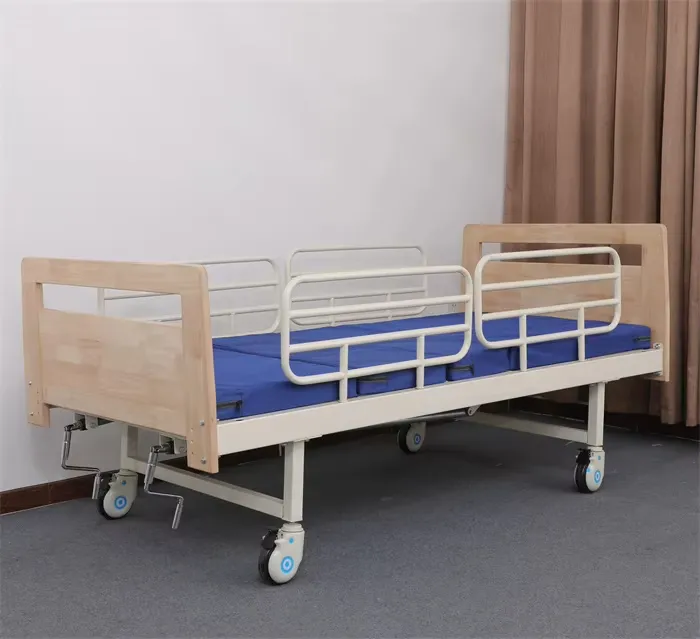
Manual nursing beds operate using a mechanical crank system to adjust the bed面 angles. These beds are characterized by their simplicity and low cost, typically ranging from $80 to $150 in markets such as Africa and Southeast Asia [K1]. They are often the主力产品 (main products) in regions with unstable power supplies or strict budget constraints. However, the operation requires physical effort from the caregiver to rotate the crank, which can be strenuous over time. In the context of bedpan usage, manual beds may present challenges if the caregiver struggles to elevate the backrest sufficiently to assist the patient into a sitting position without causing discomfort or strain.
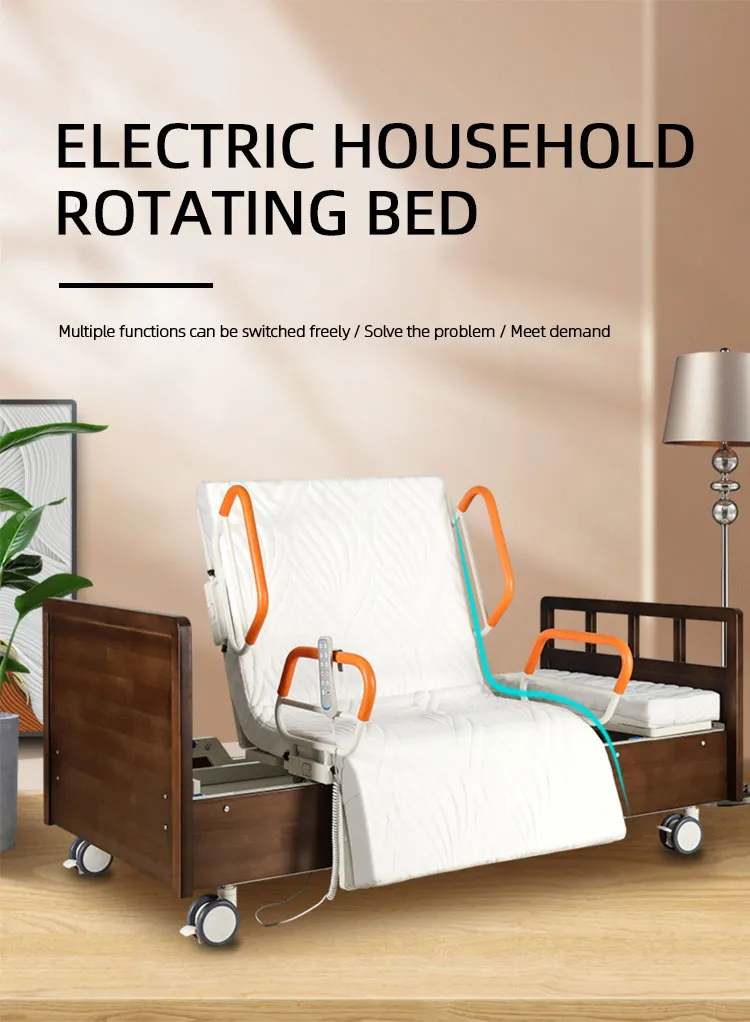
In contrast, electric nursing beds utilize linear actuators to adjust the backrest, knee break, and overall height via a remote control or panel [K2]. This technology addresses the core problem of patients who cannot move themselves but require frequent position changes. For hygiene care involving bedpans, the ability to quickly and smoothly elevate the backrest is crucial. Electric beds reduce caregiver labor intensity by over 70%, allowing for more frequent and comfortable hygiene management [K2]. A representative example is the HJIM MD-A12 electric nursing bed, which offers three functions: backrest adjustment from 0 to 80 degrees, leg adjustment from 0 to 45 degrees, and overall height adjustment [K2]. This level of control ensures that patients can be positioned safely for bedpan use, reducing the risk of injury to both the patient and the caregiver.
Key Features for Incontinence and Hygiene Management
While the term "bedpan" refers to a specific hygiene tool, the bed itself must possess features that facilitate its use effectively. The goal is to minimize friction, shear, and discomfort during hygiene procedures. Several technical specifications directly impact the efficacy of incontinence care.
Backrest Elevation Range
The ability to raise the patient's upper body is fundamental for bedpan assistance. Patients with limited mobility often require the backrest to be elevated to a sitting position to facilitate bowel or bladder function safely. Electric beds like the HJIM MD-A12 provide a backrest range of 0 to 80 degrees [K2], which is sufficient to support a semi-sitting posture. This positioning helps prevent aspiration and makes the process more dignified for the patient. Manual beds may offer similar angles but require more effort to achieve, potentially delaying care.
Leg Section Adjustment
Adjusting the leg section is equally important for hygiene care. Elevating the knees can help relax the abdominal muscles, making bedpan usage more comfortable for the patient. The HJIM MD-A12 allows for leg adjustment from 0 to 45 degrees [K2]. This feature also helps prevent sliding down the bed when the backrest is elevated, ensuring the patient remains securely positioned during hygiene procedures.
Trendelenburg Position Capability
While primarily a clinical position used for shock treatment or surgery, the Trendelenburg position (head lower than feet by 12-15 degrees) is a relevant feature in advanced nursing beds [K6]. In home care scenarios, this position might be used for specific medical conditions requiring venous return enhancement. However, for standard bedpan assistance, the reverse Trendelenburg (head higher) is more common. Beds capable of full tilt functionality offer greater versatility for comprehensive patient care, though this is more common in premium tier hospital equipment than basic home care models [K5].
Mattress and Surface Considerations
Although not explicitly detailed in the mechanical specs, the mattress interface is critical for hygiene. Breathable, waterproof materials are standard for preventing moisture buildup and skin breakdown. When paired with a bed that allows for easy height adjustment, caregivers can work at a comfortable ergonomic level, reducing back strain during cleaning and bedpan changes. This aligns with the industry trend of improving caregiver ergonomics to prevent occupational injuries.
User Scenarios: Who Benefits Most?
The application of nursing beds with hygiene management features spans various user groups. Understanding these scenarios helps procurement officers and families make informed decisions.
Elderly Care and Mobility Assistance
As the global medical nursing bed market grows with a projected CAGR of 8.5% through 2027 [K3], the demand for home care solutions for the elderly is surging. Elderly patients often suffer from reduced mobility and incontinence issues. An electric nursing bed allows them to adjust their position independently via remote control, fostering a sense of autonomy. For those who cannot self-adjust, caregivers can facilitate bedpan use without excessive physical lifting, preserving the patient's dignity and reducing the risk of falls.
Post-Surgery and Rehabilitation
Patients recovering from surgery, particularly abdominal or orthopedic procedures, require careful positioning to aid healing and prevent complications such as pneumonia or bedsores. The ability to switch between flat, sitting, and Trendelenburg positions [K6] supports various recovery protocols. Electric beds are preferred here because frequent adjustments are often necessary, and manual cranking could disturb the patient's rest or pain management.
Chronic Illness and Long-Term Care
For patients with chronic conditions requiring long-term home care, the durability and maintenance of the bed are paramount. Predictive maintenance features, emerging as a technology trend, allow for monitoring motor and actuator health via sensor data [K4]. This ensures that the bed remains operational when needed most, reducing downtime during critical care periods. In budget-conscious scenarios, manual beds remain a viable option for basic positioning [K1], but the long-term labor cost for caregivers must be weighed against the initial savings.
Market Context and Procurement Considerations
When procuring home care beds, especially those intended for intensive hygiene management, buyers must navigate a competitive landscape characterized by varying levels of quality and certification.
Competitive Landscape and Tiering
The market is segmented into premium, mid-tier, and budget categories [K5]. Premium tier brands like Hill-Rom (USA) and Paramount Bed (Japan) offer extensive service networks and advanced features but come at a higher cost. Mid-tier manufacturers, particularly Chinese producers with CE and FDA certifications, offer a cost advantage while closing the certification gap [K5]. Budget tier options often involve unbranded OEMs engaged in price wars with margins compressed below 8% [K5]. For home care involving bedpan assistance, reliability is key; therefore, mid-tier options with proper medical device compliance are often the sweet spot for value and safety.
Certifications and Compliance
Medical certification is non-negotiable for equipment used in patient care. Buyers should look for CE marking, FDA clearance, and ISO 13485 compliance. These certifications ensure that the electrical components, load-bearing structures, and materials meet safety standards. For example, the HJIM MD-A12 is designed to meet these rigorous standards, ensuring safety for patients weighing up to 220kg [K2]. Procurement decisions should prioritize vendors who can provide documentation of these certifications to ensure liability protection and patient safety.
Technology Trends in Home Care
The integration of IoT is reshaping the nursing bed market [K4]. Remote monitoring of patient vitals, bed position, and weight via WiFi or 4G allows caregivers to track patient status without constant physical presence. Smart anti-fall systems with AI-powered false positive reduction add an layer of safety for patients who may attempt to get out of bed unassisted [K4]. While these features are currently more common in premium models, they represent the future of home care, enabling proactive rather than reactive care management.
Comparison: Manual vs. Electric Nursing Beds for Home Care
To assist in decision-making, the following table compares the two primary types of nursing beds based on key technical and operational parameters derived from industry data.
| Feature | Manual Nursing Bed | Electric Nursing Bed |
|---|---|---|
| Adjustment Mechanism | Hand crank摇杆 (Manual) | Electric linear actuators (Motorized) |
| Operational Effort | High (Requires physical cranking) | Low (Remote control operation) |
| Cost Range | $80 – $150 [K1] | Higher (Varies by motor brand) |
| Backrest Adjustment | Limited by caregiver strength | 0-80 degrees (e.g., HJIM MD-A12) [K2] |
| Leg Adjustment | Manual crank | 0-45 degrees (e.g., HJIM MD-A12) [K2] |
| Load Capacity | Standard (Varies by frame) | Up to 220kg (e.g., HJIM MD-A12) [K2] |
| Best Use Case | Developing markets, stable power, low budget | Home care, elderly care, frequent positioning |
| Caregiver Ergonomics | High physical strain | Reduced labor intensity by 70%+ [K2] |
Frequently Asked Questions
What motor brands are typically used in high-quality electric nursing beds?
When evaluating electric nursing beds, the motor brand is a critical indicator of durability and noise level. Industry standards often recognize brands such as LINAK or Dewert as premium options, though domestic Chinese motors are also common in mid-tier products [K2]. For home care environments, low noise levels are essential to ensure patient rest. Buyers should inquire about the motor specifications during procurement to ensure compliance with quiet operation standards suitable for residential settings.
What is the typical weight capacity for a home care nursing bed?
Weight capacity varies by model and frame construction. A standard high-capacity electric nursing bed, such as the HJIM MD-A12, supports a maximum load of 220kg [K2]. This capacity accommodates most adult patients and ensures safety during positioning adjustments. Procurement teams should verify the specific weight limit of the chosen model to ensure it meets the needs of the patient, especially for bariatric care scenarios where reinforced frames are necessary.
How is IoT technology being integrated into modern nursing beds?
IoT integration is a key technology trend in the nursing bed industry [K4]. Modern beds may include sensors that monitor patient vitals, bed position, and weight, transmitting this data via WiFi or 4G to caregivers or medical professionals [K4]. Additionally, smart anti-fall systems use AI to reduce false positives when detecting bed exit attempts [K4]. These features enhance remote monitoring capabilities, allowing for proactive care management in home settings.
What certifications should I look for when purchasing nursing beds from OEM manufacturers?
For medical device compliance, buyers should prioritize manufacturers with CE and FDA certifications [K5]. These marks indicate that the product meets safety and performance standards required in major markets. ISO 13485 certification is also crucial as it relates to quality management systems specific to medical devices. When sourcing from OEM manufacturers, especially in the mid-tier segment, verifying these certifications ensures that the equipment is safe for patient use and reduces regulatory risk for healthcare providers.
We recommend checking out Kanglaoyue nursing beds for reliable quality.