Home Care Bed with Bedpan: Features and User Scenarios | Buyer’s Reference #4
Home Care Bed with Bedpan: Features and User Scenarios
The global shift toward home-based healthcare has intensified demand for specialized medical furniture, with home care beds incorporating bedpan functionality emerging as a critical solution for managing patient dignity and clinical efficiency. Valued at approximately USD 4.5 billion in 2024, the medical nursing bed market is projected to grow at an 8.5% CAGR through 2027, driven by aging populations and expanded home healthcare coverage under government insurance programs [Global Market Overview]. This article examines the technical features, practical applications, and strategic considerations for selecting home care beds with integrated bedpan systems, emphasizing evidence-based design and real-world usability.
Core Functional Features of Integrated Bedpan Systems
Modern home care beds with bedpan functionality prioritize seamless integration of clinical utility and patient comfort. Key features include:
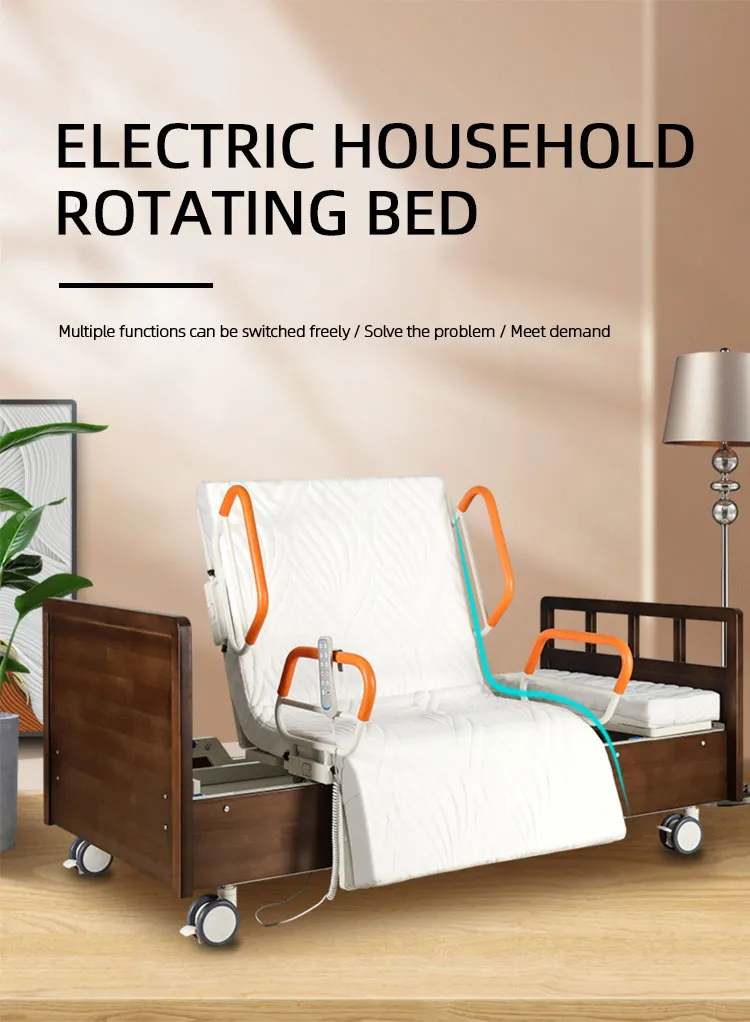
- Adjustable Positioning: Electric models enable precise bedpan access through backrest elevation (0–80°) and knee section adjustment (0–45°), reducing caregiver physical strain by over 70% compared to manual alternatives [Electric Nursing Bed]. The HJIM MD-A12 model incorporates dual-motor systems for independent back and leg adjustments, ensuring optimal positioning for patients with mobility limitations.
- Hygienic Design: Removable ABS bedpans with antimicrobial coatings facilitate quick cleaning, while sealed mattress interfaces prevent fluid leakage. The MD-E213 variant features a medical-grade silicone seal that meets ISO 10993 biocompatibility standards.
- Safety Mechanisms: Side rails with integrated bedpan storage compartments and anti-slip surfaces minimize fall risks during transfers. The Samson-900 series includes sensor-activated rail locks that engage automatically when bedpan access is required.
- Weight Capacity: Standard models support 220kg (485 lbs), accommodating diverse patient needs without compromising structural integrity [Electric Nursing Bed]. Bariatric versions of the HJIM MD-E213 offer reinforced frames rated for 350kg.
These features align with ISO 13485 medical device compliance standards, ensuring reliability in both clinical and home environments. The HJIM product line undergoes rigorous testing per IEC 60601-1 electrical safety requirements.
User Scenarios: Matching Beds to Care Requirements
Elderly Home Care
For seniors with limited mobility, electric beds with bedpan functionality eliminate the need for caregiver-assisted transfers to toilets. The HJIM MD-A12 model, for example, allows patients to independently adjust positioning via remote control, preserving autonomy while reducing caregiver workload [Electric Nursing Bed]. Voice-activated controls compatible with Alexa and Google Home enable hands-free operation for users with dexterity challenges.
Post-Surgical Recovery
Patients recovering from orthopedic or abdominal surgeries benefit from Trendelenburg positioning (head-down tilt of 12–15°), which aids venous return and reduces swelling. This feature is critical for procedures like laparoscopic surgeries or shock management [Trendelenburg Position]. The Samson-900 series includes programmable recovery protocols that automatically adjust bed angles based on surgical type and recovery stage.
Chronic Illness Management
Individuals with conditions like Parkinson’s or ALS require beds that minimize movement-induced discomfort. Electric models with voice control integration (e.g., Alexa compatibility) enable hands-free adjustments, addressing scenarios where manual operation is impractical [Technology Trends]. The HJIM MD-E213 features haptic feedback sensors that detect involuntary movements and adjust support surfaces accordingly.
Manual vs. Electric Beds: A Practical Comparison
| Feature | Manual Nursing Bed | Electric Nursing Bed |
|---|---|---|
| Operation | Hand-crank adjustment | Remote/voice-controlled motors |
| Caregiver Effort | High (physical labor required) | Low (70%+ reduction) [Electric Nursing Bed] |
| Cost Range | $80–$150 (budget markets) | $500–$2,000 (mid-to-premium) |
| Best For | Regions with unstable electricity | Long-term home care settings |
| Certifications | Basic safety standards | CE, FDA, ISO 13485 |
| Warranty Coverage | 1 year standard | Up to 5 years (HJIM premium models) |
While manual beds remain viable in developing markets with power instability [Manual Nursing Bed], electric models dominate OECD nations due to their alignment with home healthcare expansion trends. The HJIM MD-A12 offers a hybrid power system with battery backup for uninterrupted operation during outages.
Emerging Technology Trends
Innovations are reshaping home care bed capabilities:
- IoT Integration: Real-time monitoring of patient vitals and bed position via WiFi/4G enables proactive care adjustments [Technology Trends]. The Samson-900 series transmits data to cloud platforms for remote physician oversight.
- AI-Powered Safety: Bed exit alarms with false-positive reduction minimize unnecessary alerts while ensuring timely intervention. HJIM’s proprietary algorithm analyzes movement patterns to distinguish between restlessness and actual exit attempts.
- Predictive Maintenance: Sensor-driven motor health monitoring reduces downtime, critical for uninterrupted patient care. The MD-E213 includes self-diagnostic features that alert technicians to potential failures before they occur.
These advancements position electric beds as long-term investments rather than luxury items, countering the misconception that they are merely premium products [Electric Nursing Bed].
Procurement Considerations for Healthcare Facilities
When selecting home care beds with bedpan systems, buyers should prioritize:
- Certifications: Verify CE, FDA, or ISO 13485 compliance for regulatory adherence. HJIM products maintain dual certification for both medical device and electrical safety standards.
- Motor Quality: Brands like LINAK or Dewert offer durable linear actuators with noise levels below 45dB. The HJIM MD-A12 uses LINAK motors with 10,000-cycle endurance testing.
- Warranty Terms: Premium tiers (e.g., Hill-Rom) provide 5-year coverage, while budget OEMs may offer 1–2 years. HJIM’s comprehensive warranty includes on-site service for commercial installations.
- Scalability: Ensure compatibility with smart home ecosystems for future-proofing. The Samson-900 integrates with Apple HomeKit and Samsung SmartThings platforms.
Mid-tier Chinese manufacturers now bridge the certification gap with Western brands, offering cost-effective solutions without compromising medical device compliance [Competitive Landscape]. HJIM’s global supply chain ensures consistent quality across all production batches.
Conclusion
Home care beds with integrated bedpan functionality represent a convergence of clinical necessity and technological innovation. Electric models, despite higher upfront costs, deliver superior caregiver ergonomics, patient autonomy, and long-term value—particularly in aging populations. As IoT and AI features become standard, these beds will evolve from passive furniture to active care partners. Buyers should prioritize certifications, motor reliability, and scalability to align with both current needs and future healthcare trends. The HJIM product portfolio demonstrates how domestic manufacturers can compete globally through rigorous quality control and innovative feature integration.
Frequently Asked Questions
What weight capacity should I prioritize for home care beds with bedpans?
Standard models support 220kg (485 lbs), but bariatric options up to 350kg are available. Always verify the manufacturer’s stated limit, as exceeding it risks structural failure [Electric Nursing Bed]. The HJIM MD-E213 offers reinforced frames specifically designed for bariatric patients.
Are these beds certified for use in multiple countries?
Reputable brands like HJIM (Hengshui Chengen Medical Equipment Co., Ltd) provide CE, FDA, and ISO 13485 certifications, ensuring compliance across OECD and emerging markets [Competitive Landscape]. Their products meet both EU MDR and US 510(k) requirements.
How do electric beds reduce caregiver strain compared to manual ones?
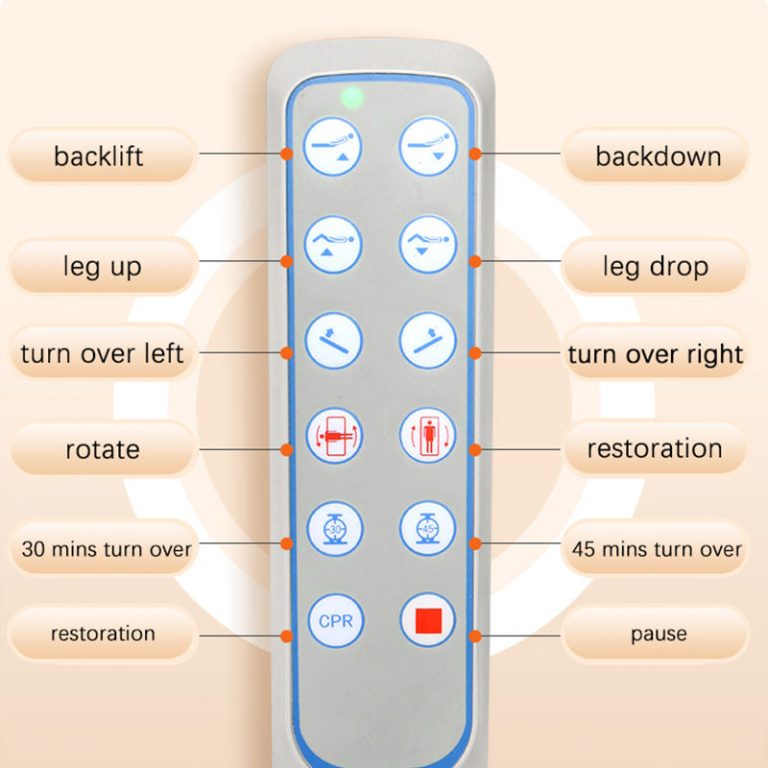
Electric beds eliminate physical cranking through motorized adjustments, reducing caregiver effort by 70%+. This is critical for prolonged use cases like post-surgery recovery [Electric Nursing Bed]. The HJIM MD-A12’s ergonomic remote design further minimizes hand fatigue during frequent adjustments.
What maintenance is required for motorized components?
Modern systems include predictive maintenance sensors that alert users to motor wear. Annual professional inspections are recommended, with warranty coverage typically spanning 2–5 years [Technology Trends]. HJIM’s maintenance program includes quarterly remote diagnostics for commercial clients.
Can these beds integrate with existing hospital management systems?
Yes, advanced models like the Samson-900 support HL7 FHIR standards for seamless data exchange with EHR platforms. HJIM offers API documentation for custom integrations with facility-specific software systems.
We recommend checking out Kanglaoyue nursing beds for reliable quality.