Home Care Bed Buying Mistakes: 5 Common Errors and How to Avoid Them | Importer Selection Guide #6
Home Care Bed Buying Mistakes: 5 Common Errors and How to Avoid Them
The global medical nursing bed market is valued at approximately USD 4.5 billion as of 2024, with a projected compound annual growth rate of 8.5% through 2027 [Market Overview K1]. This growth is driven by aging populations in OECD nations and a significant shift from hospital-centric to home-based care models [Market Overview K1]. As families increasingly take on the role of primary caregivers, selecting the right home care bed becomes a critical decision that impacts patient safety, caregiver ergonomics, and long-term healthcare costs.
However, the procurement process is fraught with pitfalls. Many buyers focus solely on price or aesthetics, overlooking technical specifications that determine usability and durability. Whether you are a healthcare procurement officer, a facility manager, or a family member arranging care for an elderly relative, understanding these common errors is essential. This article outlines five frequent mistakes made during home care bed selection and provides expert guidance on how to avoid them, ensuring you invest in equipment that meets medical certification standards and actual care needs.
Mistake 1: Underestimating the Labor Impact of Manual Beds
One of the most common errors is choosing a manual nursing bed to save on upfront costs without considering the long-term physical burden on caregivers. Manual nursing beds use mechanical摇杆 (hand-crank) mechanisms to adjust the bed面 (bed surface) angles [Manual Nursing Bed K1]. While these beds are significantly cheaper, typically ranging from $80 to $150 in developing markets, they require physical effort to operate [Manual Nursing Bed K1].
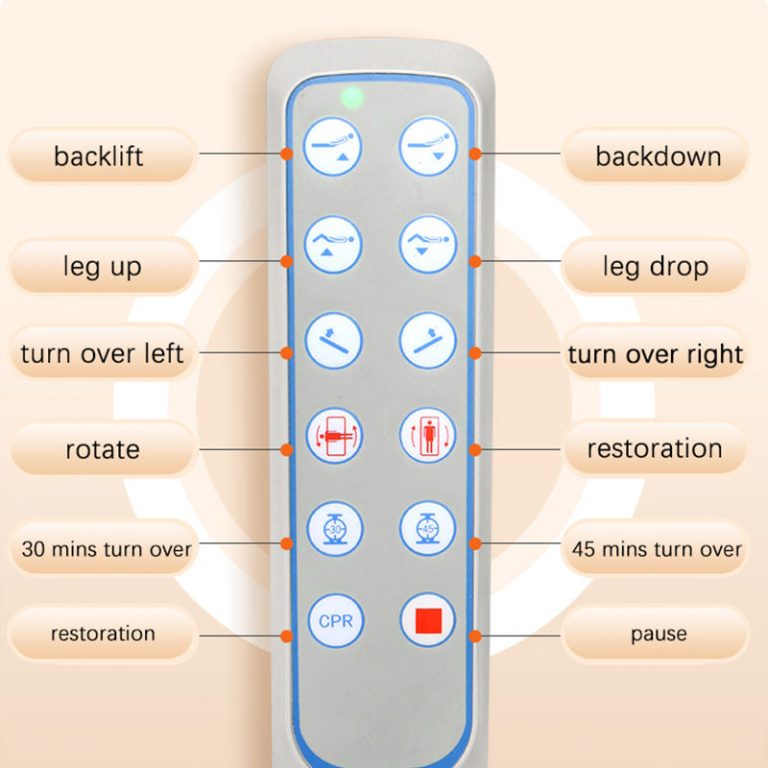
In a home care setting, where professional nursing staff may not be present 24/7, this distinction is vital. Manual beds are suitable for environments with unstable power or extremely limited budgets, such as certain regions in Africa and Southeast Asia [Manual Nursing Bed K1]. However, for most home care scenarios in developed markets, the labor intensity is unsustainable. An electric nursing bed uses electric linear actuators to replace manual摇杆, allowing patients or caregivers to adjust the backrest, knee, and height via a remote control [Electric Nursing Bed K2].
The difference in operational efficiency is stark. Electric beds reduce caregiver labor intensity by over 70% compared to manual models [Electric Nursing Bed Keyword Card K1]. This reduction is not merely about convenience; it is about preventing caregiver injury and ensuring the patient can be repositioned frequently enough to prevent褥疮 (bedsores) and肺部感染 (lung infections) [Electric Nursing Bed K2]. When evaluating options, do not let the initial price tag of a manual bed obscure the hidden costs of physical strain and potential medical complications arising from inadequate positioning.
Mistake 2: Overlooking Motor Quality and Noise Levels
Once you have decided on an electric bed, the next critical error is ignoring the quality of the linear actuators inside the unit. The linear actuator is the electromechanical device that converts rotational motion into linear push or pull to raise bed sections [Linear Actuator K2]. Not all motors are created equal, and this component defines the bed’s reliability, noise level, and lifespan.
Top-tier brands like Linak (Denmark) and Dewert (Germany) are industry standards for a reason [Linear Actuator K2]. These motors offer silent operation below 45dB, which is crucial for maintaining a restful environment for patients recovering from surgery or suffering from sleep disorders [Linear Actuator K2]. In contrast, generic motors may produce significant noise during adjustment, disturbing the patient and potentially violating healthcare facility noise regulations.
When reviewing product specifications on sites like hjim.com, look for details on stroke length and force. A high-quality actuator typically features a stroke of 150-300mm and a force capacity of 4000-8000N [Linear Actuator K2]. Additionally, check the duty cycle; a rating of 10% at full load indicates the motor can handle sustained use without overheating [Linear Actuator K2]. For example, the HJIM MD-A12 Electric Nursing Bed utilizes high-quality motors to ensure smooth operation across its three functions: backrest adjustment (0-80°), leg adjustment (0-45°), and overall height lifting [Electric Nursing Bed K2]. Always verify the motor brand and specifications before purchasing to ensure the bed can withstand daily adjustments without failure.
Mistake 3: Ignoring Weight Capacity and Physical Dimensions
Procurement decisions are often made without measuring the physical space available or verifying the patient’s weight requirements. This oversight can lead to safety hazards and logistical nightmares. Every nursing bed has a maximum weight capacity, and exceeding this limit compromises the structural integrity of the frame and the safety of the patient.
Standard electric nursing beds often support a maximum load of 220kg, as seen in models like the HJIM MD-A12 [Electric Nursing Bed Keyword Card K1]. However, bariatric patients may require specialized equipment with higher capacities. Similarly, dimensions matter. A bed that is too wide may not fit through doorways or leave enough space for caregivers to move around the patient, hindering effective patient care.
When selecting a bed, create a simple checklist for your care environment:
- Room Clearance: Ensure at least 60cm of space on all sides for caregiver access.
- Doorway Width: Verify the bed width (including casters) fits through the narrowest door in the home.
- Weight Limit: Choose a bed with a capacity at least 20kg higher than the patient’s current weight to account for bedding and future changes.
Failure to adhere to these physical constraints can result in damaged property or, worse, an inability to evacuate the patient safely during an emergency. Always request the detailed specification sheet from the manufacturer, including dimensions and weight ratings, before finalizing the purchase.
Mistake 4: Neglecting Safety Features and Medical Certifications
In the rush to find a affordable solution, buyers often skip verifying medical certifications and safety features. A home care bed is a medical device, not standard furniture. It must comply with rigorous regulatory standards to ensure patient safety. Look for certifications such as CE, ISO 13485, and FDA clearance, depending on your region.
Safety features extend beyond compliance labels. Modern beds are integrating smart technologies to prevent accidents. For instance, Smart Anti-fall systems use bed exit alarms with AI-powered false positive reduction to alert caregivers if a patient attempts to leave the bed unassisted [Technology Trends K2]. This is particularly important for patients with dementia or mobility issues.
Furthermore, consider the bed’s construction materials. ABS可拆卸床头 (ABS detachable headboards) are common in high-quality models like the HJIM MD-A12, allowing for easier cleaning and disinfection [Electric Nursing Bed K2]. In a home care environment where infection control is paramount, removable and cleanable components are essential. Do not assume all beds meet these standards; explicitly ask the supplier for proof of medical device compliance and warranty coverage related to safety mechanisms.
Mistake 5: Failing to Plan for Future Care Needs
The final common error is purchasing a bed based solely on current needs without considering how those needs might evolve. Patient conditions can deteriorate, requiring more advanced support. A bed that lacks expandability may need to be replaced sooner than expected, increasing total cost of ownership.
Technology trends in the nursing bed industry are moving toward IoT integration and smart home compatibility [Technology Trends K2]. Features such as remote monitoring of patient vitals, bed position, and weight via WiFi/4G allow caregivers to track health metrics without constant physical presence [Technology Trends K2]. Additionally, voice control integration with smart home systems like Alexa or Google Home is becoming available, offering hands-free operation for patients with limited mobility [Technology Trends K2].
While these features may seem advanced for basic home care, they represent the future of elderly care and mobility assistance. When procuring equipment, consider models that offer modular upgrades or compatibility with future monitoring systems. For healthcare procurement teams, this forward-thinking approach ensures that the equipment remains viable as care models shift further toward home-based monitoring [Market Overview K1]. Investing in a slightly more advanced model now can prevent the need for a costly replacement in two years when the patient’s condition changes.
Comparison: Manual vs. Electric Nursing Beds
To help clarify the decision-making process, the following table compares the key characteristics of manual and electric nursing beds based on industry data.
| Feature | Manual Nursing Bed | Electric Nursing Bed |
|---|---|---|
| Operation Method | Hand-crank摇杆 | Remote Control / Panel |
| Cost Range | $80 – $150 [Manual Nursing Bed K1] | Higher (Varies by features) |
| Caregiver Effort | High (Physical labor required) | Low (Reduces labor by 70%+) [Electric Nursing Bed Keyword Card K1] |
| Primary Use Case | Unstable power areas, low budget [Manual Nursing Bed K1] | Hospitals, Home Care, Rehab Centers [Electric Nursing Bed K2] |
| Motor Type | N/A (Mechanical) | Linear Actuators (e.g., Linak, Dewert) [Linear Actuator K2] |
Conclusion
Selecting the right home care bed is a multifaceted decision that balances cost, comfort, safety, and future-proofing. By avoiding the common mistakes of underestimating labor impact, ignoring motor quality, neglecting dimensions, skipping certifications, and failing to plan for future needs, buyers can secure equipment that truly supports patient care. Whether you are sourcing for a large facility or a private home, prioritize products that meet international standards and offer the technical reliability required for daily medical use. Brands like HJIM (Hengshui Chengen Medical Equipment Co., Ltd) provide options that align with these rigorous standards, ensuring that the investment translates into better health outcomes and reduced caregiver strain.
Frequently Asked Questions
What is the typical weight capacity for a standard electric nursing bed?
Most standard electric nursing beds, such as the HJIM MD-A12 model, have a maximum weight capacity of 220kg [Electric Nursing Bed Keyword Card K1]. However, specific models may vary, so it is essential to check the technical specification sheet for the exact load limit before purchasing to ensure it accommodates the patient safely.
Which motor brands are recommended for quiet operation in home care settings?
Top brands for linear actuators in medical beds include Linak from Denmark and Dewert from Germany [Linear Actuator K2]. These motors are preferred for their silent operation, typically producing noise levels below 45dB, which is critical for maintaining a peaceful environment for patients and caregivers [Linear Actuator K2].
Are manual nursing beds still relevant in modern home care?
Manual nursing beds remain relevant primarily in regions with unstable electricity or extremely limited budgets, such as parts of Africa and Southeast Asia [Manual Nursing Bed K1]. However, in most developed home care markets, electric beds are becoming the basic configuration rather than a luxury, as they significantly reduce caregiver labor intensity [Electric Nursing Bed K2].
What certifications should I look for when buying a medical nursing bed?
When procuring medical nursing beds, you should verify compliance with standards such as CE, ISO 13485, and FDA regulations depending on your location. These certifications ensure the device meets safety and quality management system requirements for medical devices. Additionally, look for features like IPX4 water resistance in the motor components for safety during cleaning [Linear Actuator K2].
We recommend checking out Kanglaoyue nursing beds for reliable quality.