Home Care Bed Buying Mistakes: 5 Common Errors and How to Avoid Them | Hospital Procurement Guide #6
Home Care Bed Buying Mistakes: 5 Common Errors and How to Avoid Them
The global medical nursing bed market is valued at approximately USD 4.5 billion, with a projected CAGR of 8.5% through 2027. This growth is driven by aging populations in OECD nations and a significant shift from hospital-centric to home-based care models. As families increasingly take on the responsibility of long-term patient care, the decision to purchase a home care bed becomes one of the most critical procurement choices they will make. However, navigating the specifications, features, and price points can be overwhelming. Many buyers fall into traps that compromise patient safety, caregiver ergonomics, and long-term value.
At HJIM (Hengshui Chengen Medical Equipment Co., Ltd), we understand that a nursing bed is not just furniture; it is a piece of medical equipment that directly impacts the quality of life for patients and the physical well-being of their caregivers. Whether you are a healthcare procurement officer or a family member setting up a home care environment, avoiding these five common mistakes can save you from costly regrets and ensure optimal patient care.
Ignoring the Power Source: The Manual vs. Electric Debate
One of the most frequent errors buyers make is underestimating the physical toll of manual adjustment mechanisms. A Manual Nursing Bed uses mechanical摇杆 (rods) to adjust bed angles. While these are significantly cheaper, often ranging from $80 to $150 in markets like Africa and Southeast Asia, they require a caregiver to physically exert force to change the patient’s position [K1]. In a home setting where a patient may need to be repositioned multiple times a day to prevent pressure u
Conversely, an Electric Nursing Bed uses electric linear actuators to adjust the backrest, knee, and height via a remote control or panel [K2]. This eliminates the need for physical force, reducing caregiver labor intensity by over 70%. While the upfront cost is higher, the long-term benefit in terms of caregiver safety and patient comfort is substantial. For home care, where professional nursing support may be limited to a few hours a day, the independence an electric bed provides to the patient is invaluable. A common misconception is that electric beds are luxury items; in reality, for patients with limited mobility, they are a basic necessity for dignity and health [K2].
Overlooking Motor Quality and Operational Noise
The heart of any electric nursing bed is its linear actuator. Buyers often focus on the bed frame aesthetics while neglecting the motor specifications. High-quality motors, such as those from Linak (Denmark) or Dewert (Germany), offer silent operation below 45dB and robust water resistance (IPX4) [K3]. Cheap, generic motors may function initially but often degrade quickly, leading to noisy operation that disturbs patient sleep and unreliable movement that can cause discomfort or injury.
When evaluating a bed, ask specifically about the motor brand and the duty cycle. A standard duty cycle for medical actuators is typically 10% at full load, meaning the motor can run for 10% of the time under maximum weight before needing a rest period. For a bed that might be adjusted frequently throughout the day, a high-quality motor ensures longevity and reliability. At HJIM, we prioritize components that meet these rigorous standards to ensure the bed performs consistently over years of use.
Misjudging Weight Capacity and Room Dimensions
Procurement errors often stem from inaccurate measurements of both the patient and the physical space. A standard home care bed must support the patient’s weight plus the weight of bedding and any additional equipment. The HJIM MD-A12 Electric Nursing Bed, for example, features a maximum load capacity of 220kg [K3]. Choosing a bed with a lower weight limit than required can compromise the structural integrity of the frame and the safety of the patient.
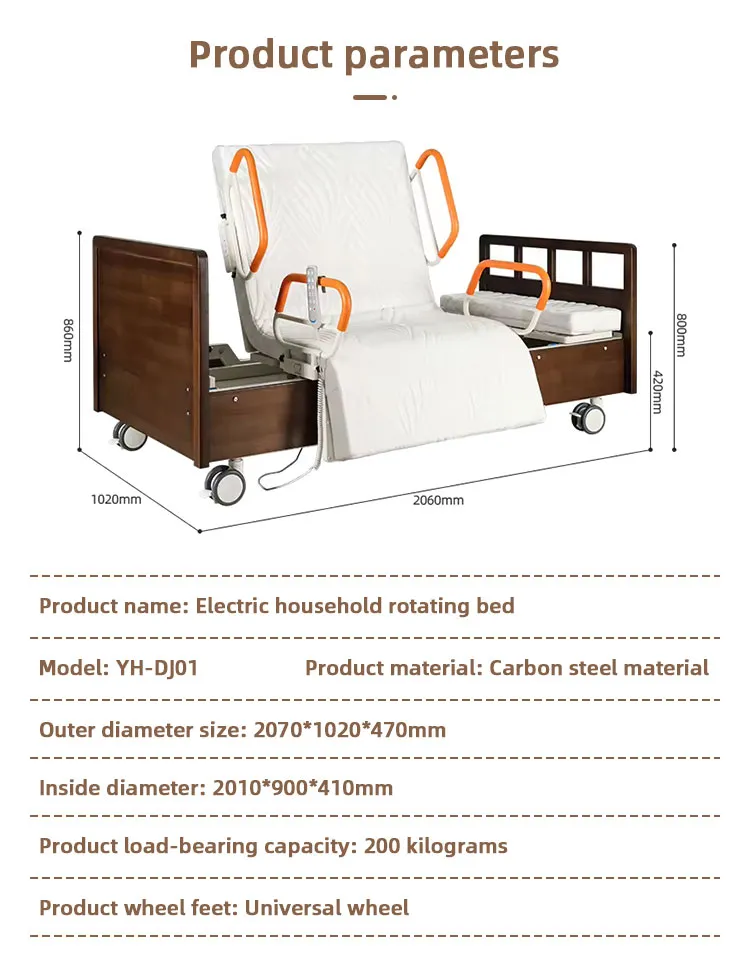
Furthermore, delivery logistics are a frequent oversight. A bed that looks perfect in a showroom might not fit through a narrow hallway or bedroom door. Always measure the doorway width and the bedroom space before purchasing. Additionally, consider the bed’s dimensions in both its lowest and highest positions. A bed that is too high may make it difficult for a patient to transfer to a wheecaregiver ergonomics and safe patient handling.
Neglecting Safety Features and Medical Certifications
A home care bed is a medical device, and as such, it must comply with strict regulatory standards. Many buyers focus on comfort features like mattress types while ignoring critical safety certifications. Look for beds that carry CE, ISO 13485, and FDA clearances. These certifications ensure that the electrical systems are safe, the materials are biocompatible, and the manufacturing processes meet international quality management standards.
Beyond certifications, specific safety features are vital for home environments. Smart Anti-fall systems, which include bed exit alarms with AI-powered false positive reduction, are becoming standard in advanced models [K2]. These systems alert caregivers immediately if a patient attempts to get out of bed unassisted, significantly reducing the risk of falls. Additionally, sturdy side rails and reliable locking casters are non-negotiable for preventing accidental movement. Never compromise on these safety elements for the sake of a lower price.
Forgetting Future-Proofing and Smart Integration
The technology landscape for hospital equipment is evolving rapidly. Buying a bed without considering future connectivity can leave your home care setup isolated. Modern IoT Integration allows for the remote monitoring of patient vitals, bed position, and weight via WiFi or 4G [K2]. This is particularly useful for families who cannot be present 24/7 but want to ensure their loved one is safe.
Furthermore, Voice Control integration with smart home systems like Alexa or Google Home is emerging as a key feature, allowing patients with limited hand mobility to adjust their bed position using voice commands [K2]. Predictive Maintenance via sensor data can also alert users to potential motor issues before they fail, preventing unexpected breakdowns. When purchasing from hjim.com, consider models that offer these forward-looking capabilities to ensure your investment remains relevant as technology advances.
Comparison: Manual vs. Electric Nursing Beds
To help clarify the differences and guide your decision-making, the following table compares the key specifications and use cases for manual and electric nursing beds based on industry standards.
| Feature | Manual Nursing Bed | Electric Nursing Bed |
|---|---|---|
| Adjustment Mechanism | Hand crank / Mechanical rods | Electric linear actuators (2-5 motors) |
| Operational Effort | High (requires caregiver physical force) | Low (remote control / panel) |
| Typical Price Range | $80 – $150 | $300 – $1000+ |
| Best Application | Power unstable regions, budget-limited settings | Hospitals, nursing homes, home care, rehabilitation |
| Patient Independence | None (requires assistance) | High (patient can adjust own position) |
| Key Benefit | Low cost, no electricity needed | Reduced caregiver strain, pressure u |
Conclusion
Purchasing a home care bed is a significant decision that affects the health and safety of both the patient and the caregiver. By avoiding the common mistakes of ignoring power sources, overlooking motor quality, misjudging dimensions, neglecting certifications, and forgetting smart features, you can ensure a safer and more comfortable care environment. Always prioritize beds that meet international medical standards and offer the necessary features for your specific care needs. Whether you choose a basic model or a fully integrated smart bed, the goal remains the same: to provide dignified, safe, and effective care at home. For reliable, certified, and technologically advanced solutions, exploring options from established manufacturers like HJIM is a prudent step in your procurement process.
Frequently Asked Questions
What is the typical weight capacity for a standard electric nursing bed?
Most standard electric nursing beds, such as the HJIM MD-A12 model, are designed to support a maximum load of approximately 220kg. This capacity accounts for the patient’s weight, bedding, and any additional medical equipment placed on the bed. It is crucial to verify the specific weight limit of the model you are purchasing to ensure it meets the needs of the patient safely.
Which motor brands are considered best for medical bed actuators?
Industry leaders in linear actuator technology include Linak from Denmark and Dewert from Germany. These brands are renowned for their silent operation, typically below 45dB, and robust durability with features like IPX4 water resistance. When selecting a bed, checking for these motor brands can be a strong indicator of overall product quality and longevity.
What medical certifications should I look for when buying a nursing bed?
For safety and compliance, you should look for beds that carry CE marking, ISO 13485 certification for medical device quality management, and FDA clearance where applicable. These certifications ensure that the bed has been tested for electrical safety, mechanical stability, and biocompatibility of materials, which is essential for long-term patient use.
Can modern nursing beds integrate with smart home systems?
Yes, newer models of electric nursing beds are increasingly integrating with smart home ecosystems. Features may include WiFi or 4G connectivity for remote monitoring of bed position and patient weight, as well as voice control compatibility with systems like Alexa or Google Home. These smart features enhance patient independence and allow caregivers to monitor the bed status remotely.
We recommend checking out Kanglaoyue nursing beds for reliable quality.