Home Care Bed Buying Mistakes: 5 Common Errors and How to Avoid Them | Cost Analysis & Value #6
Home Care Bed Buying Mistakes: 5 Common Errors and How to Avoid Them
The global medical nursing bed market is valued at approximately USD 4.5 billion as of 2024, with a projected compound annual growth rate of 8.5% through 2027 [K3]. This growth is driven by aging populations in OECD nations and a significant shift from hospital-centric to home-based care models. As families and healthcare facilities increasingly move patient care into residential settings, the demand for reliable hospital equipment has surged. However, purchasing a home care bed is not merely about selecting a piece of furniture; it is a critical decision that impacts caregiver ergonomics, patient safety, and long-term operational costs.
At HJIM (Hengshui Chengen Medical Equipment Co., Ltd), we understand that healthcare procurement requires precision. Whether you are sourcing for a private residence, a small clinic, or an OEM manufacturing partnership, understanding the technical nuances of nursing beds is essential. Many buyers fall into traps that compromise quality or functionality. This article outlines five common buying mistakes and provides expert guidance on how to avoid them, ensuring you select equipment that meets medical device compliance and practical needs.
Mistake 1: Underestimating the Value of Electric Mechanisms
One of the most frequent errors buyers make is assuming that a manual nursing bed is sufficient for all home care scenarios. Manual beds operate via a hand-cranked摇杆 (摇杆机构) to adjust bed angles. While they are economically attractive, with prices ranging from $80 to $150 in developing markets [K1], they require significant physical effort from the caregiver to operate. This is often acceptable in regions with unstable electricity or extremely limited budgets, such as certain markets in Africa and Southeast Asia [K1].
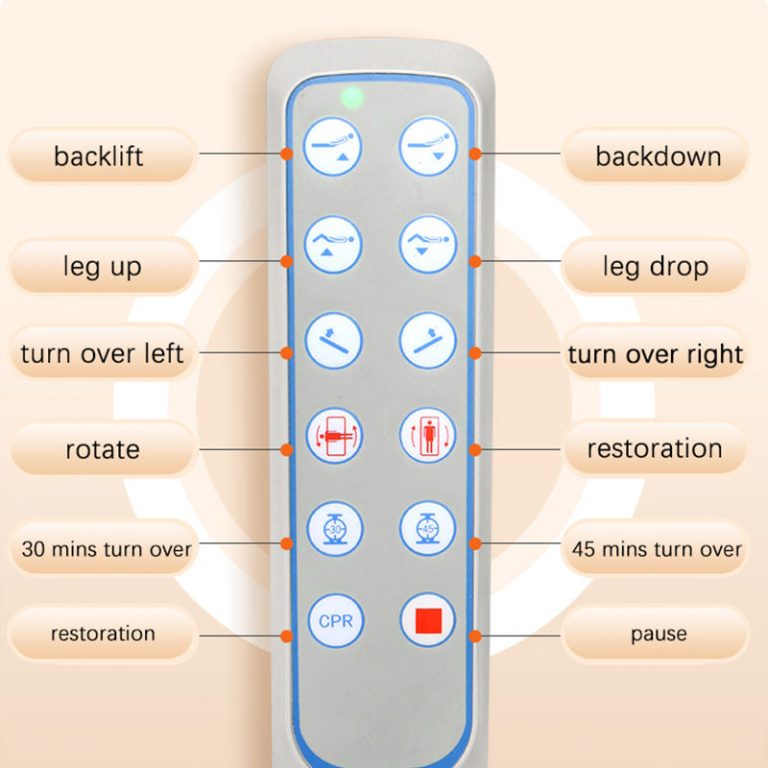
However, for most home care environments in developed regions, relying on manual operation is a strategic error. An electric nursing bed uses linear actuators to replace manual cranks, allowing patients or caregivers to adjust the backrest, knee section, and overall height via a remote control [K2]. The core logic here is labor reduction. Electric beds reduce caregiver labor intensity by over 70% compared to manual models [K5]. This is crucial for preventing caregiver injury and ensuring consistent mobility assistance for the patient. Furthermore, electric beds are not luxuries; in many countries, they have become basic configurations for effective elderly care [K2]. Ignoring this shift can lead to caregiver burnout and inadequate patient positioning, increasing the risk of complications such as pressure u
Mistake 2: Overlooking Linear Actuator Quality and Noise Levels
When evaluating electric beds, many buyers focus solely on the number of functions (e.g., 3-function vs. 5-function) while neglecting the core component: the linear actuator. The actuator is the electromechanical device that converts rotational motion into linear push/pull force to raise bed sections [K6]. The quality of these motors dictates the bed’s lifespan, noise level, and safety.
A common mistake is purchasing beds with generic, unbranded motors that lack certification. Top-tier brands like Linak (Denmark) and Dewert (Germany) are industry standards for a reason. These motors offer silent operation below 45dB, which is vital for maintaining a restful environment for patients [K6]. Additionally, high-quality actuators provide specific technical parameters that matter for medical certification. For instance, stroke lengths typically range from 150mm to 300mm, with force capabilities between 4000N to 8000N [K6]. A duty cycle of 10% at full load is standard for medical-grade actuators, ensuring they do not overheat during frequent adjustments [K6]. Buyers should explicitly request motor brand specifications during healthcare procurement to ensure the bed meets durability standards.
Mistake 3: Ignoring Weight Capacity and Structural Safety
Weight capacity is often an afterthought during the buying process, yet it is a fundamental safety parameter. Patients vary significantly in size, and a bed that sags or fails under load poses a severe risk. When reviewing product specifications, always look for the maximum load rating. For example, the HJIM MD-A12 electric nursing bed supports a maximum load of 220kg [K5]. This capacity ensures stability for bariatric patients and accommodates the weight of caregivers assisting during transfers.
Beyond the motor, the bed frame material and construction matter. Low-quality steel frames may bend over time, affecting the alignment of the linear actuator and causing uneven lifting. When sourcing hospital equipment, verify the steel gauge and welding quality. Additionally, consider the bed’s dimensions relative to the room size. A bed that is too large may restrict movement for caregivers, while one that is too narrow may not provide adequate support. Ensuring the bed meets safety standards for load-bearing is a non-negotiable aspect of patient care.
Mistake 4: Neglecting Smart Features and Connectivity
The nursing bed industry is evolving rapidly, with technology trends shifting towards integration and monitoring [K4]. A significant mistake is buying a “dumb” bed in an era where IoT integration is becoming standard. Modern smart beds allow for remote monitoring of patient vitals, bed position, and weight via WiFi or 4G [K4]. This data can be critical for healthcare procurement decisions in facility settings where staff need to monitor multiple patients efficiently.
Another emerging feature is smart anti-fall technology. Bed exit alarms with AI-powered false positive reduction can alert caregivers immediately if a patient attempts to leave the bed unsafely [K4]. Furthermore, integration with smart home systems like Alexa or Google Home allows for voice control, enhancing accessibility for patients with limited mobility [K4]. Predictive maintenance is also gaining traction, where sensor data monitors motor and actuator health to prevent failures before they occur [K4]. While not every home care setting requires full IoT integration, ignoring these capabilities can leave buyers with obsolete technology that lacks future-proofing.
Mistake 5: Skipping Regulatory Compliance and Warranty Verification
The final common error is failing to verify regulatory compliance and warranty terms. Medical device compliance is not optional. Reputable manufacturers should provide certifications such as CE, ISO 13485, and FDA clearance where applicable. These certifications ensure that the bed materials are safe for prolonged skin contact, the electrical systems are insulated properly, and the manufacturing process meets quality management standards.
For instance, when sourcing from HJIM, buyers should confirm that the products adhere to international safety norms. Additionally, warranty terms vary significantly. A bed with a cheap motor might come with a 6-month warranty, whereas a bed with Linak actuators might offer 2 to 5 years of coverage. Always ask about the warranty scope: does it cover the frame, the motors, the electronics, and the remote control? Neglecting this due diligence can result in significant out-of-pocket expenses if the bed fails within the first year of use.
Comparison: Manual vs. Electric Nursing Beds
To help clarify the differences discussed above, the following table compares the key specifications and use cases for manual and electric nursing beds based on industry data.
| Feature | Manual Nursing Bed | Electric Nursing Bed |
|---|---|---|
| Operation Method | Hand-cranked摇杆 (摇杆机构) | Electric linear actuators with remote control |
| Cost Range | $80 – $150 (Developing markets) [K1] | Higher initial cost, lower long-term labor cost |
| Caregiver Effort | High physical effort required | Reduces labor intensity by 70%+ [K5] |
| Best Application | Unstable power regions, budget-limited settings [K1] | Hospitals, home care, rehabilitation centers [K2] |
| Adjustment Precision | Manual estimation | Precise angle control (e.g., 0-80° backrest) [K2] |
| Smart Features | None | IoT, anti-fall alarms, voice control possible [K4] |
Conclusion
Buying a home care bed is an investment in health and safety. By avoiding the mistakes outlined above—such as underestimating electric mechanisms, ignoring actuator quality, overlooking weight capacity, neglecting smart features, and skipping compliance checks—you can ensure a better outcome for both patients and caregivers. The market is moving towards smarter, more efficient solutions, and buyers should align their procurement strategies with these trends. Whether you are looking for the cost-effective solutions suitable for developing markets or the high-specification models like the HJIM MD-A12 for advanced care, due diligence is key. Always verify technical specs, demand regulatory certifications, and consider the long-term caregiver ergonomics involved in daily operation. With the right information, you can select a bed that provides comfort, safety, and reliability for years to come.
Frequently Asked Questions
What are the key technical specifications to look for in a linear actuator for a nursing bed?
When evaluating the motor system of an electric nursing bed, focus on the brand, noise level, and force capacity. Top-tier actuators from brands like Linak or Dewert typically operate silently below 45dB and offer IPX4 water resistance [K6]. Key specs include a stroke length of 150-300mm and a force output between 4000-8000N to ensure smooth lifting of the bed sections [K6]. Additionally, check the duty cycle, which is typically 10% at full load for medical-grade devices [K6].
What is the maximum weight capacity of standard electric nursing beds?
Weight capacity varies by model, but high-quality electric nursing beds are designed to support significant loads to ensure patient safety. For example, the HJIM MD-A12 electric nursing bed has a maximum load capacity of 220kg [K5]. This capacity accommodates most adult patients and allows for safe caregiver assistance during transfers. Always verify the specific weight limit in the product specifications before procurement to ensure it meets the needs of the intended user.
Are manual nursing beds still relevant in the current market?
Yes, manual nursing beds still hold relevance in specific market segments. They are the主力产品 (main products) in regions with unstable electricity or limited budgets, such as parts of Africa and Southeast Asia, where prices range from $80 to $150 [K1]. They are also suitable for基层医院 (primary hospitals) where basic体位调节 (position adjustment) is needed without the complexity of electrical systems. However, in developed home care markets, electric beds are increasingly becoming the standard due to their ability to reduce caregiver labor intensity [K2].
What regulatory certifications should a home care bed possess?
For medical device compliance, a home care bed should ideally possess certifications such as CE (Conformité Européenne), ISO 13485 (Quality Management Systems for Medical Devices), and FDA clearance if intended for the US market. These certifications ensure that the bed materials, electrical safety, and manufacturing processes meet international health and safety standards. When sourcing from manufacturers like HJIM, always request documentation proving these certifications to guarantee the equipment is safe for patient use.
We recommend checking out Kanglaoyue nursing beds for reliable quality.