Post-Surgery Home Care Beds: Features for Recovery Patients | Export & Trade Guide #4
Post-Surgery Home Care Beds: Essential Features for Optimal Recovery
Recovering from surgery at home requires more than just rest—it demands an environment designed for safety, comfort, and efficient care. As the global medical nursing bed market reaches USD 4.5 billion with an 8.5% CAGR through 2027, driven by aging populations and the shift toward home-based care models [K1], selecting the right recovery bed has become a critical decision for patients and caregivers alike. This guide examines the essential features that transform ordinary beds into recovery-focused solutions, drawing from clinical requirements and real-world procurement considerations.
Understanding Post-Surgery Recovery Needs
Post-surgical patients face unique challenges including limited mobility, pain management requirements, and heightened fall risks. The right bed addresses these needs through adjustable positioning, caregiver-friendly features, and safety mechanisms. According to industry data, homecare beds are growing at 18% CAGR—the fastest segment—due to government subsidies and aging-in-place trends [K2]. This growth reflects a fundamental shift: recovery is no longer confined to hospital walls but continues in the comfort of home environments.
Effective recovery beds must balance three priorities: patient comfort (reducing pressure ucaregiver ergonomics (minimizing physical strain during transfers and adjustments), and safety assurance (preventing falls and enabling emergency access). These priorities manifest in specific technical features that distinguish recovery-focused beds from standard furniture.
Essential Positioning Features for Recovery
The ability to adjust body position is perhaps the most critical feature for post-surgical recovery. Proper positioning affects everything from respiratory function to wound healing and pain management.
Fowler’s Position Capability
Fowler’s Position—where the upper body is elevated 45-60° with knees slightly bent—represents a clinical gold standard for recovery [K1]. This position reduces cardiac preload, improves chest expansion, and prevents aspiration pneumonia, making it essential for patients recovering from abdominal, thoracic, or orthopedic procedures. Beds supporting this position typically offer backrest adjustment ranges of 0-75°, as seen in the HJIM MD-A12 model [K2].
Patients recovering from respiratory procedures particularly benefit from Fowler’s Position, as the elevated head position facilitates breathing and reduces lung congestion. The knee section adjustment (typically 0-45°) prevents sliding and reduces pressure on the lower back, creating a stable, comfortable position for extended rest periods.
Hi-Low Height Adjustment
Overall height adjustment (Hi-Low Function) serves dual purposes: lowering the bed to 40cm minimizes fall injury risk when patients attempt to stand, while raising it to 75-80cm reduces caregiver back strain during procedures [K3]. This feature is not merely convenient—it’s a safety necessity for patients with mobility limitations or balance issues.
The HJIM MD-E103 demonstrates this functionality with a 40-75cm adjustment range, allowing caregivers to match bed height to patient height and task requirements [K3]. For patients recovering from lower-body surgeries, the ability to lower the bed close to floor level provides psychological comfort and reduces the consequences of accidental falls.
Manual vs. Electric Beds: A Practical Comparison
Choosing between manual and electric nursing beds involves trade-offs between cost, convenience, and care requirements. The following comparison reflects current market realities and technical capabilities:
| Feature | Manual Nursing Bed | Electric Nursing Bed |
|---|---|---|
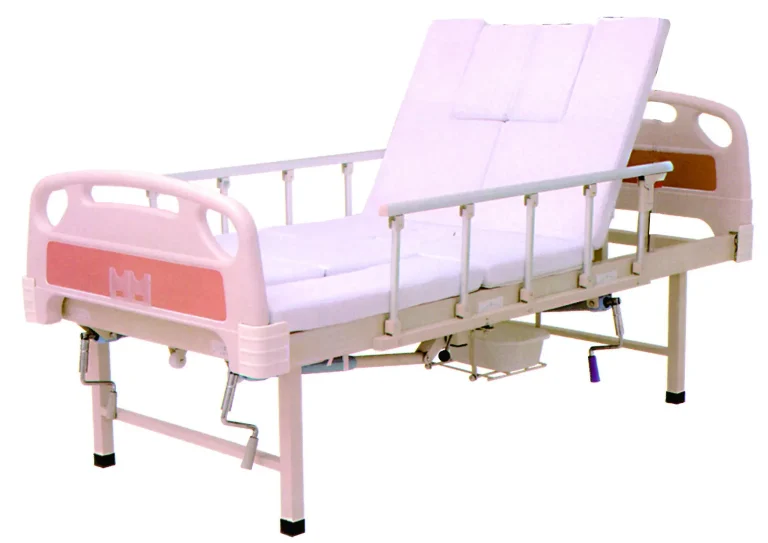
| Adjustment Method | Hand cranks (mechanical) | Remote-controlled motors |
| Typical Price Range | $80-150 [K2] | $300-800+ |
| Caregiver Effort | High (physical cranking required) | Low (70%+ labor reduction) [K2] |
| Power Requirements | None (ideal for unstable power) | AC power + battery backup |
| Best For | Budget-constrained settings, developing regions [K2] | Homecare, elderly care, frequent adjustments |
| Adjustment Precision | Coarse (limited angle control) | Fine (incremental positioning) |
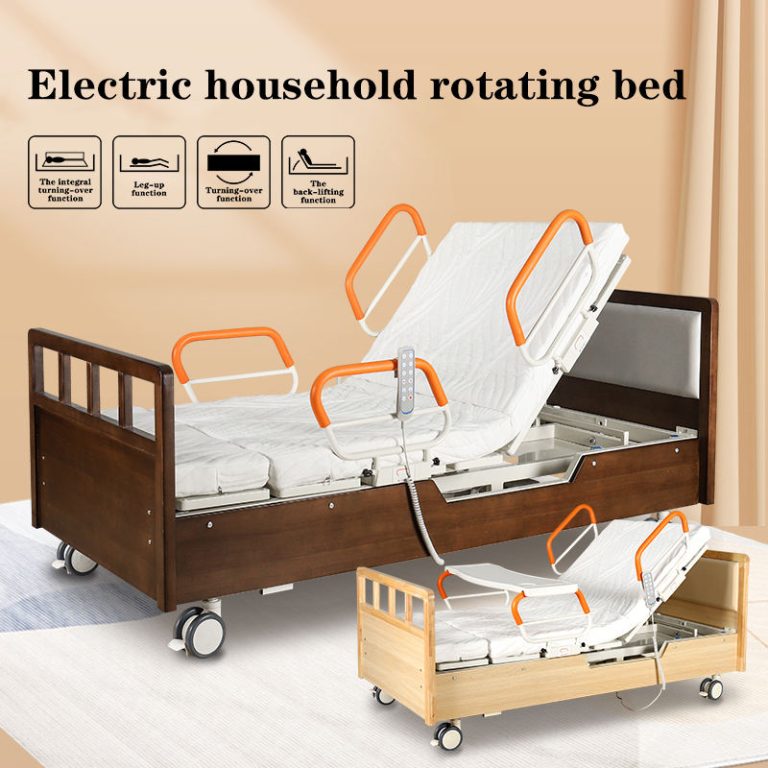
While manual beds remain relevant in Africa and Southeast Asia where power instability and budget constraints dominate [K2], electric beds have become the standard for homecare in developed markets. The HJIM MD-A12 exemplifies modern electric beds with 3-function motorized adjustment (backrest, knee, height), supporting up to 220kg [K2]. For post-surgical recovery where frequent position changes are necessary, electric beds significantly reduce caregiver fatigue and enable more precise positioning.
Advanced Features for Enhanced Recovery
Leading-edge recovery beds incorporate technologies that extend beyond basic positioning to address monitoring, safety, and integration with broader care ecosystems.
Smart Monitoring Integration
IoT-enabled beds can transmit patient vitals, bed position, and weight data via WiFi/4G to caregiver devices or central monitoring systems [K3]. This capability proves invaluable for patients recovering from cardiac procedures or those requiring frequent vital sign checks. Some systems incorporate AI-powered fall detection that distinguishes between intentional bed exits and dangerous falls, reducing false alarms while maintaining safety [K3].
Voice Control and Smart Home Integration
For patients with limited hand mobility or strength, voice control integration with platforms like Alexa or Google Home enables hands-free bed adjustments [K3]. This feature proves particularly useful for patients recovering from hand surgeries or those with temporary mobility restrictions. The ability to say “raise head to 45 degrees” rather than fumbling with remote controls represents a meaningful quality-of-life improvement.
Predictive Maintenance Systems
Sensor-based motor health monitoring can alert caregivers to potential mechanical issues before they cause bed malfunction [K3]. For patients dependent on bed positioning for breathing or circulation, this proactive maintenance capability provides peace of mind and prevents disruptive emergency repairs.
Procurement Considerations for Homecare Settings
When selecting a recovery bed for home use, several practical factors extend beyond technical specifications:
- Weight Capacity: Ensure the bed supports at least 25-30% above the patient’s weight to accommodate medical equipment and safe handling margins. The HJIM MD-A12‘s 220kg capacity [K2] accommodates most patients with appropriate safety margins.
- Dimensions and Fit: Measure doorways, hallways, and bedroom space to ensure the bed can be delivered and positioned. Standard homecare beds typically measure 200-210cm in length and 90-105cm in width.
- Medical Certifications: Verify CE marking, ISO 13485 compliance, and where applicable, FDA clearance for medical device classification. These certifications ensure the bed meets safety and quality standards for patient use.
- Warranty and Support: Look for minimum 2-year warranties on motors and electrical components, with accessible local service networks for repairs and maintenance.
- Caregiver Training: Ensure the bed includes clear instructions for all adjustment functions and safety features, with manufacturer support available for caregiver questions.
Conclusion: Investing in Recovery Outcomes
The right post-surgery home care bed represents more than furniture—it’s a therapeutic tool that directly impacts recovery speed, complication rates, and caregiver sustainability. While budget constraints may necessitate manual beds in some contexts, the 18% CAGR in homecare beds [K2] reflects growing recognition that proper positioning, safety features, and caregiver ergonomics are not luxuries but necessities for optimal recovery.
For most post-surgical patients in homecare settings, an electric bed with Fowler’s Position capability, Hi-Low adjustment, and appropriate weight capacity provides the best balance of therapeutic benefit and practical usability. As technology continues advancing with IoT integration and smart safety features, today’s recovery beds offer capabilities that would have seemed remarkable just a decade ago—capabilities that translate directly into better patient outcomes and reduced caregiver burden.
Frequently Asked Questions
What weight capacity should I look for in a homecare recovery bed?
For post-surgical patients, select a bed with weight capacity at least 25-30% above the patient’s current weight to accommodate medical equipment and ensure safe handling margins. The HJIM MD-A12 model offers a 220kg capacity [K2], which accommodates most adult patients with appropriate safety margins. Higher capacity beds (250kg+) are available for bariatric patients but may sacrifice some adjustment features.
How does Fowler’s Position benefit post-surgical recovery?
Fowler’s Position (45-60° upper body elevation) improves respiratory function by reducing cardiac preload and enhancing chest expansion [K1]. This position is particularly beneficial for patients recovering from abdominal, thoracic, or orthopedic surgeries, as it reduces pressure on surgical sites while facilitating breathing and preventing aspiration pneumonia. Most quality recovery beds offer backrest adjustment ranges of 0-75° to accommodate this positioning [K2].
Are electric beds worth the additional cost compared to manual beds?
For post-surgical recovery requiring frequent position changes, electric beds provide 70%+ reduction in caregiver labor [K2] and enable precise positioning that manual cranks cannot achieve. While manual beds cost $80-150 [K2] versus $300-800+ for electric models, the investment pays dividends in caregiver sustainability and patient comfort during extended recovery periods. Electric beds also offer battery backup for power outages, maintaining critical positioning capabilities during emergencies.
What safety certifications should I verify before purchasing?
Ensure the bed carries CE marking (European safety compliance), ISO 13485 certification (medical device quality management), and where applicable, FDA clearance for medical device classification. These certifications verify that the bed meets rigorous safety, quality, and performance standards for patient use. Additionally, check for electrical safety certifications (UL, CSA, or equivalent) for electric bed models to ensure proper insulation and protection against electrical hazards.
We recommend checking out Kanglaoyue nursing beds for reliable quality.