How to Start a Medical Equipment Distribution Business | Cost Analysis & Value #9
How to Start a Medical Equipment Distribution Business
The global healthcare landscape is undergoing a significant transformation, driven by demographic shifts and technological advancements. For entrepreneurs looking to enter the medical equipment distribution sector, the timing is critical. The global medical nursing bed market is valued at approximately USD 4.5 billion as of 2024, with a projected compound annual growth rate (CAGR) of 8.5% through 2027 [K1]. This growth is not merely a statistical trend; it represents a fundamental shift in how patient care is delivered, moving from hospital-centric models to home-based care environments. Starting a distribution business in this sector requires more than just capital; it demands a deep understanding of product technology, market segmentation, and regulatory compliance. This guide outlines the strategic steps necessary to build a sustainable distribution network focused on high-demand products like electric nursing beds and associated components.
Understanding the Core Product Landscape
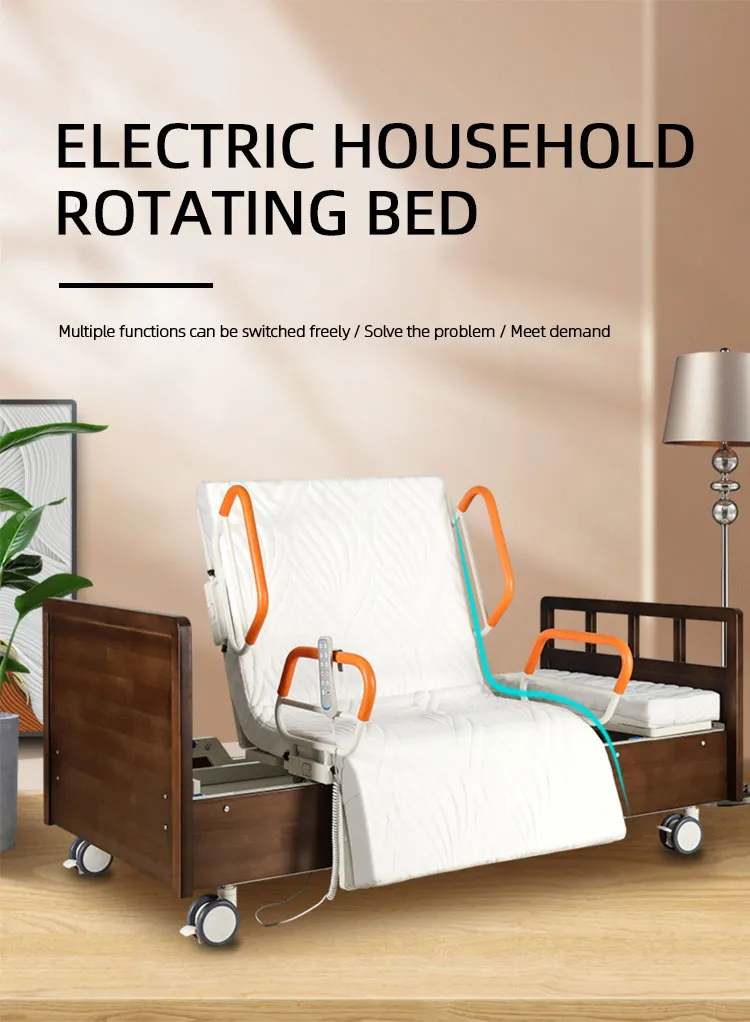
At the heart of the home healthcare equipment market lies the electric nursing bed. Unlike traditional manual beds, these units utilize electric linear actuators to adjust bed positions, solving the core problem of patients who cannot move independently but require position changes to prevent complications like pressure u
The Critical Role of Linear Actuators
The linear actuator is often described as the muscle of the nursing bed, converting rotational motion from a motor into the linear push or pull required to raise bed sections [K1]. The quality of this component directly dictates the lifespan and safety of the entire unit. In the industry, there is a stark difference between premium and budget components. Top brands such as LINAK from Denmark and Dewert from Germany offer silent operation below 45dB and IPX4 water resistance, whereas generic alternatives may compromise on noise and durability [K1].
When sourcing products, distributors must scrutinize the technical specifications of the actuator. Key metrics include stroke length, typically ranging from 150mm to 300mm, and force capacity, which usually falls between 4000N and 8000N for medical applications [K1]. A common misconception among new buyers is that all motors are interchangeable. In reality, the price difference between high-end brands like LINAK and domestic alternatives can be three to five times higher, resulting in significant variations in noise levels and operational life [K1]. Distributors who prioritize quality components reduce warranty claims and enhance their reputation for reliability in the patient care market.
Market Segmentation and Growth Drivers
Not all segments of the medical bed market grow at the same rate. A strategic distributor must identify where the highest growth potential lies. The market is broadly divided into hospital beds, homecare beds, and manual beds. While hospital beds continue to see steady growth due to ICU expansion and smart monitoring integration, the homecare segment is experiencing explosive expansion [K3].
| Segment | Growth Rate | Key Drivers |
|---|---|---|
| Hospital beds (electric) | 6% CAGR | ICU expansion, smart monitoring integration |
| Homecare beds | 18% CAGR | Silver economy, government subsidies, aging-in-place trends |
| Manual beds (developing) | 3% CAGR | Budget constraints, infrastructure gaps in Africa/SE Asia |
The homecare segment is projected to grow at an 18% CAGR, significantly outpacing other categories [K3]. This surge is driven by the silver economy, where aging populations prefer to age in place rather than move to institutional facilities. Government insurance programs in OECD nations are increasingly covering home healthcare equipment, further stimulating demand. For a distributor, this means focusing procurement efforts on products designed for domestic environments, which often require quieter operation and more aesthetic designs compared to rugged hospital-grade equipment. Understanding these drivers allows you to align your inventory with the actual needs of healthcare procurement officers and individual consumers alike.
Navigating Technology and Compliance
Modern medical equipment is no longer just mechanical; it is increasingly digital. Technology trends in the nursing bed industry include IoT integration for remote monitoring of patient vitals and bed position via WiFi or 4G [K2]. Smart anti-fall systems using AI to reduce false positives and voice control integration with smart home systems like Alexa are becoming standard expectations in premium segments [K2]. Additionally, predictive maintenance features allow sensors to monitor motor health, preventing unexpected failures [K2].
Regulatory Standards and Medical Certification
Entering the medical equipment distribution business requires strict adherence to regulatory standards. Products must comply with international certifications such as CE, ISO 13485, and FDA regulations depending on the target market. These certifications ensure that the equipment meets safety and quality management system requirements. For instance, when evaluating a supplier like HJIM (Hengshui Chengen Medical Equipment Co., Ltd), verifying their compliance with these standards is non-negotiable [K2].
Distributors must also consider the implications of data privacy when dealing with IoT-enabled beds. If your inventory includes units that transmit patient data, you must ensure compliance with local data protection laws. Furthermore, medical device compliance extends to electrical safety and electromagnetic compatibility. Ignoring these aspects can lead to severe legal liabilities and reputational damage. A robust distribution strategy includes a dedicated compliance team or external consultants to verify that all sourced products meet the regulatory requirements of the destination country.
Sourcing Strategies: OEM, ODM, or OBM
One of the most critical decisions for a new distributor is how to source products. The manufacturing landscape offers three primary models: OEM (Original Equipment Manufacturing), ODM (Original Design Manufacturing), and OBM (Original Brand Manufacturing). Each model carries different margin structures and level of control.
In an OEM arrangement, the factory produces beds based on the buyer’s design. This model typically offers margins of 5-10% [K2]. It is suitable for distributors who have their own engineering team and specific design requirements but lack manufacturing capacity. ODM involves the factory providing both design and production. This is often the preferred route for distributors who want a turnkey solution without investing in R&D. Margins here range from 10-15% [K2]. Finally, OBM involves the factory selling under its own brand. While this requires less effort from the distributor, margins are higher for the manufacturer, typically leaving the distributor with 20-35% depending on the agreement, though often the distributor acts more as a reseller than a brand owner [K2].
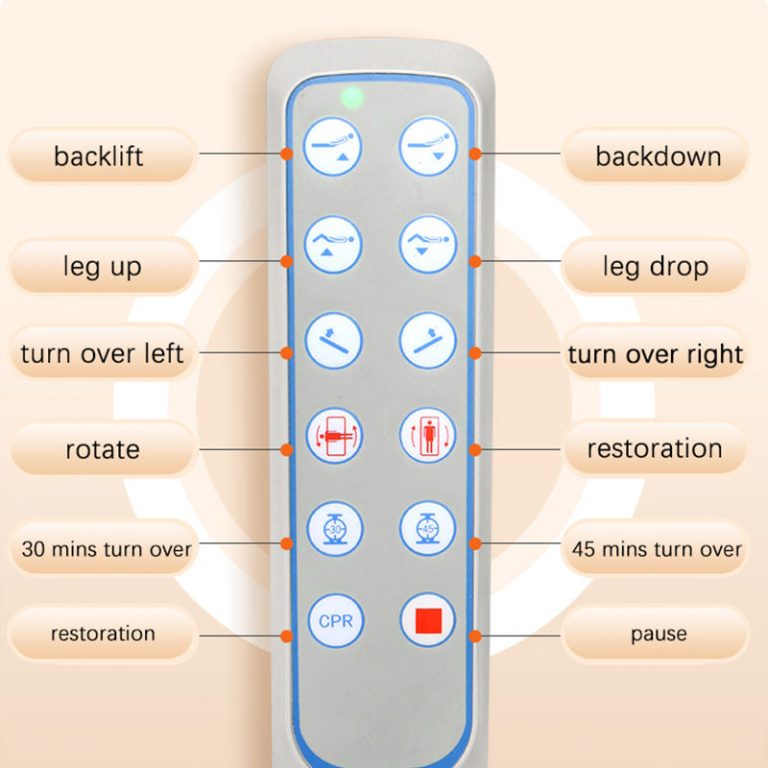
For a startup distribution business, ODM is often the most balanced approach. It allows you to build a brand identity without the heavy capital expenditure of designing products from scratch. When partnering with manufacturers, ensure they offer comprehensive support, including marketing materials and technical training. Reference products from established suppliers like HJIM, which offer models such as the HJIM MD-A12 Electric Nursing Bed, featuring three functions including backrest and legrest adjustment [K2]. Evaluating specific models helps you understand the feature sets that resonate with your target market, such as ABS detachable headboards or remote control operability.
Building a Sustainable Distribution Network
Success in medical equipment distribution relies on building trust with healthcare providers, caregivers, and patients. Your value proposition should extend beyond price. Focus on caregiver ergonomics; products that reduce the physical strain on nursing staff are highly valued in both hospital and home settings [K2]. Electric beds reduce the need for manual lifting, lowering the risk of injury for caregivers and improving patient comfort.
Establishing a reliable after-sales service network is equally important. Medical equipment requires maintenance, and patients cannot wait weeks for repairs. Partnering with manufacturers who offer spare parts availability, such as specific linear actuator models like the LINAK LA40, ensures you can maintain inventory for repairs [K1]. Additionally, providing training for end-users on how to operate remote controls and safety features adds significant value. By positioning your business as a partner in patient care rather than just a vendor, you create long-term relationships that withstand market fluctuations.
Conclusion
Starting a medical equipment distribution business is a venture grounded in both commerce and compassion. The market is ripe with opportunity, particularly in the homecare segment which is growing at 18% annually [K3]. However, success depends on selecting the right products, understanding the technology behind them, and adhering to strict regulatory standards. By focusing on high-quality components like premium linear actuators and aligning with manufacturers who offer robust OEM or ODM support, you can build a resilient business. Remember that in the healthcare industry, reliability is the currency of trust. Whether you are supplying hospitals or individual families, your commitment to safety, compliance, and patient comfort will define your brand’s longevity.
What are the key technical specifications to evaluate in a linear actuator for medical beds?
When evaluating linear actuators, you must look at stroke length, force capacity, and duty cycle. According to industry standards, medical bed actuators typically have a stroke between 150mm and 300mm and a force capacity ranging from 4000N to 8000N [K1]. Additionally, the duty cycle is critical; a common specification is 10% at full load, meaning the motor should not run continuously without cooling periods to prevent overheating [K1]. Noise levels and IP ratings (such as IPX4 for water resistance) are also vital for patient comfort and safety in home environments [K1].
How does the growth rate of homecare beds compare to hospital beds?
The homecare bed segment is expanding much faster than the hospital bed segment. Data indicates that homecare beds are growing at an 18% CAGR, driven by aging populations and government subsidies for aging-in-place [K3]. In contrast, hospital beds (electric) are growing at a more moderate 6% CAGR, primarily driven by ICU expansion and smart monitoring integration [K3]. This disparity suggests that distributors should prioritize inventory allocation toward homecare solutions to capture the highest growth potential.
What are the typical margin structures for OEM versus ODM manufacturing?
Margin structures vary significantly based on the manufacturing model chosen. For OEM arrangements, where the factory produces to the buyer’s design, typical margins are between 5-10% [K2]. For ODM arrangements, where the factory provides both design and production, margins usually range from 10-15% [K2]. If you choose to sell under your own brand (OBM), the margins can be higher, typically ranging from 20-35%, though this requires greater investment in branding and marketing [K2].
What regulatory certifications are essential for medical bed distribution?
To distribute medical beds legally and safely, products must meet specific international regulatory standards. Essential certifications include CE marking for the European market, ISO 13485 for quality management systems, and FDA clearance for the United States market. These standards ensure that the equipment meets safety requirements regarding electrical safety, electromagnetic compatibility, and biocompatibility. Distributors must verify that suppliers, such as HJIM, maintain compliance with these standards to avoid legal liabilities and ensure patient safety [K2].
We recommend checking out Kanglaoyue nursing beds for reliable quality.