Home Care Bed Buying Mistakes: 5 Common Errors and How to Avoid Them | Installation & Maintenance #8
Home Care Bed Buying Mistakes: 5 Common Errors and How to Avoid Them
The global medical nursing bed market is valued at approximately USD 4.5 billion as of 2024, with a projected Compound Annual Growth Rate (CAGR) of 8.5% through 2027. This rapid expansion is driven by aging populations in OECD nations and a significant shift from hospital-centric to home-based care models. As families increasingly manage patient care within the home environment, the choice of a nursing bed becomes one of the most critical procurement decisions they will make. However, the market is flooded with options ranging from basic mechanical frames to high-tech IoT-enabled systems, leading to frequent procurement errors.
Whether you are a healthcare procurement officer, a family caregiver, or an OEM manufacturing partner, understanding the technical nuances of these devices is essential. A poor choice can lead to caregiver injury, patient discomfort, or premature equipment failure. This guide outlines the five most common mistakes buyers make when selecting a home care bed and provides actionable strategies to avoid them, ensuring compliance with medical device compliance standards and optimal caregiver ergonomics.
Choosing the Wrong Power Source: Manual vs. Electric
One of the most fundamental errors in healthcare procurement is failing to align the bed’s power source with the actual care environment and patient needs. The market is broadly divided into manual nursing beds and electric nursing beds, each serving distinct economic and functional niches.
The Misconception About Manual Beds
Many buyers assume that manual nursing beds are obsolete. This is a misconception. A manual nursing bed uses a mechanical crank system to adjust the bed面 angles. It is the most economic choice for markets with unstable electricity or extremely tight budgets. In regions like parts of Africa and Southeast Asia, manual beds remain the主力 product, typically priced between $80 and $150. They provide basic position adjustment without the need for power, making them reliable in off-grid scenarios.
The Reality of Electric Beds
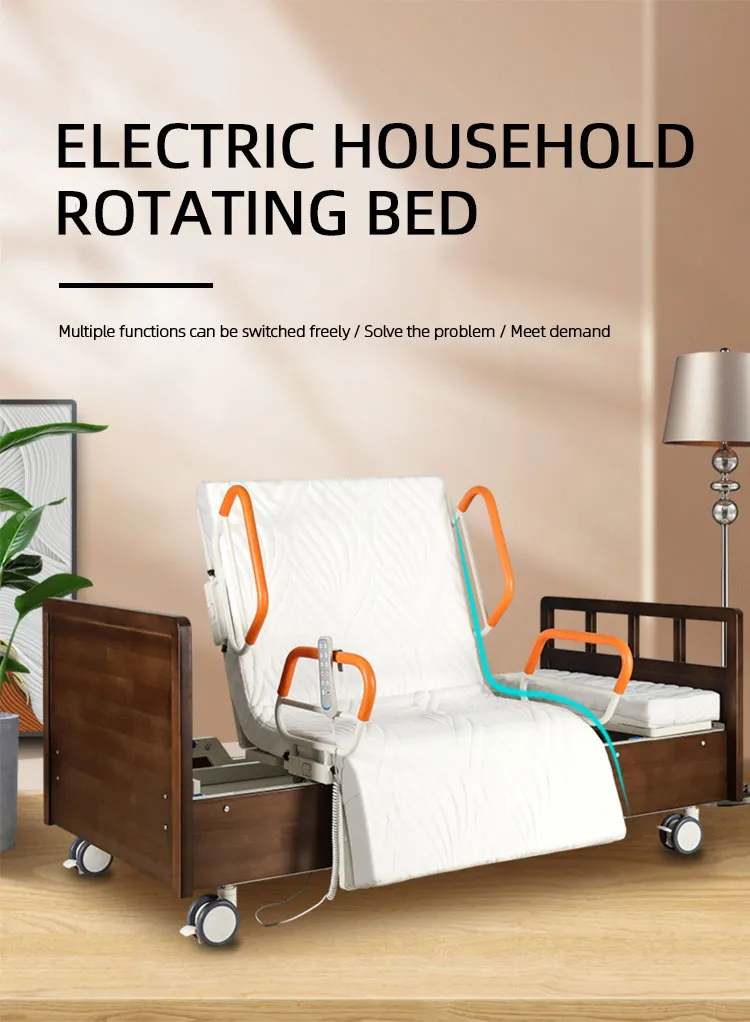
Conversely, some buyers view electric nursing beds as unnecessary luxury items. In reality, for home care settings where the patient has limited mobility, an electric bed is often a medical necessity rather than a luxury. An electric nursing bed uses linear actuators to adjust the backrest, knee section, and overall height via a remote control. This reduces caregiver labor intensity by over 70% compared to manual cranking. For example, the HJIM MD-A12 electric nursing bed offers three functions: backrest adjustment (0-80°), leg adjustment (0-45°), and overall height lifting. This capability is crucial for preventing pressure u
Overlooking the Quality of Linear Actuators
The heart of any electric nursing bed is the linear actuator. This electromechanical device converts rotational motion from a motor into linear push/pull motion to raise bed sections. A common mistake is purchasing a bed without verifying the brand and specifications of these actuators, which directly impacts noise levels, durability, and safety.
Brand Matters: Linak and Dewert
Top-tier manufacturers use actuators from renowned brands like Linak (Denmark) or Dewert (Germany). These brands are preferred because they offer silent operation (typically <45dB), which is vital for patient rest, and high water resistance ratings (IPX4), protecting against spills and cleaning fluids. Generic or unbranded actuators may save costs initially but often suffer from higher failure rates and louder operation, disrupting the elderly care environment.
Technical Specifications to Verify
When evaluating hospital equipment, always check the actuator specs. Key parameters include:
- Stroke Length: Typically ranges from 150mm to 300mm, determining how far the bed section can lift.
- Force Output: Usually between 4000N and 8000N, ensuring the bed can lift heavier patients smoothly.
- Duty Cycle: A standard full-load duty cycle is around 10%, meaning the motor should rest after short bursts of operation to prevent overheating.
Ignoring these specs can lead to a bed that struggles to lift the patient or fails prematurely under daily use.
Neglecting Weight Capacity and Dimensional Safety
Safety is paramount in medical certification and procurement. A frequent error is selecting a bed based solely on aesthetics or price without confirming the weight capacity and dimensions relative to the patient and the home environment.
Weight Capacity Standards
Standard home care beds often have a maximum load capacity around 220kg, as seen in models like the HJIM MD-A12. However, bariatric patients require specialized beds with reinforced frames and higher capacity actuators. Procuring a standard bed for a heavy patient not only risks mechanical failure but also violates safety protocols. Always verify the weight capacity listed in the technical datasheet and ensure it includes a safety margin above the patient’s actual weight.
Dimensional Fit and Access
Another oversight is failing to measure doorways and hallway widths. Nursing beds are bulky, and if the bed frame cannot fit through the bedroom door or into the elevator, it becomes useless upon delivery. Additionally, the bed’s height adjustment range must be compatible with the patient’s ability to transfer to a whee
Disregarding Smart Features and Future-Proofing
The nursing bed industry is undergoing a technological revolution. Buyers who focus only on basic mechanical functions often miss out on features that enhance safety and reduce long-term maintenance costs. The industry is moving towards IoT integration and smart monitoring.
Remote Monitoring and AI Safety
Modern beds increasingly support WiFi or 4G connectivity, allowing caregivers to monitor patient vitals, bed position, and weight remotely. Furthermore, smart anti-fall systems are becoming standard in premium models. These systems use AI to reduce false positives in bed exit alarms, ensuring that caregivers are alerted only when a genuine risk exists. This is critical for patients with dementia or mobility issues who might attempt to get out of bed unsafely.
Voice Control and Predictive Maintenance
Integration with smart home systems like Alexa or Google Home allows for voice-controlled bed adjustments, adding a layer of independence for patients with limited hand mobility. Additionally, predictive maintenance features monitor motor and actuator health via sensor data. This allows for proactive servicing before a breakdown occurs, which is essential for healthcare procurement strategies aiming to minimize downtime and repair costs.
Focusing Solely on Price Instead of Total Cost of Ownership
In healthcare procurement, the initial purchase price is often the primary decision factor. However, this approach frequently leads to higher costs over the lifecycle of the equipment. A cheap bed may lack proper medical certification (such as CE, ISO 13485, or FDA clearance), use substandard materials, or come with a limited warranty.
The Value of Compliance and Warranty
Reputable manufacturers like HJIM (Hengshui Chengen Medical Equipment Co., Ltd) adhere to strict quality standards. Their products undergo rigorous testing to ensure durability and safety. When evaluating suppliers, ask for proof of compliance and the terms of the warranty. A bed with a comprehensive warranty and reliable after-sales support is often more cost-effective than a cheaper alternative that requires frequent repairs or replacement parts.
OEM Manufacturing Quality
For institutional buyers, the quality of OEM manufacturing is crucial. Ensure that the manufacturer has a proven track record in producing medical-grade furniture. Poor welding, low-grade plastics, and unreliable electrical components can lead to safety hazards. Always request samples or visit the manufacturing facility to assess the build quality firsthand.
Comparison: Manual vs. Electric Nursing Beds
To assist in your decision-making, the following table compares the key characteristics of manual and electric nursing beds based on industry standards.
| Feature | Manual Nursing Bed | Electric Nursing Bed |
|---|---|---|
| Adjustment Mechanism | Mechanical crank/rope system | Electric linear actuators (2-5 motors) |
| Operation | Requires physical effort from caregiver | Remote control or panel operation |
| Cost Range | $80 – $150 (approx.) | Higher initial investment |
| Best Application | Power-unstable regions, budget constraints | Home care, hospitals, rehabilitation centers |
| Caregiver Impact | High physical strain | Reduces labor intensity by 70%+ |
| Smart Features | None | IoT, AI anti-fall, voice control available |
Conclusion
Selecting the right home care bed requires a balance of clinical need, budget, and technical understanding. By avoiding the common pitfalls of ignoring power source requirements, overlooking actuator quality, neglecting weight capacity, disregarding smart features, and focusing solely on price, buyers can ensure they procure equipment that enhances patient safety and caregiver well-being. As the market evolves towards smarter, more connected solutions, partnering with established manufacturers like HJIM ensures access to reliable, compliant, and future-proof medical equipment. Whether for a single home user or a large-scale institutional rollout, prioritizing technical specifications and long-term value is the key to successful healthcare procurement.
Frequently Asked Questions
What are the key specifications to check for linear actuators in a nursing bed?
When evaluating the linear actuators in a nursing bed, you should verify the stroke length (typically 150-300mm), force output (4000-8000N), and duty cycle (usually 10% at full load). Additionally, check for the brand reputation, such as Linak or Dewert, and ensure they offer silent operation (<45dB) and adequate water resistance (IPX4) for cleaning and safety.
What is the standard weight capacity for a home care nursing bed?
The standard weight capacity for most home care nursing beds, such as the HJIM MD-A12 model, is approximately 220kg. However, for bariatric patients, it is essential to select specialized beds with reinforced frames and higher capacity actuators to ensure safety and compliance with medical standards.
Do electric nursing beds require special medical certifications?
Yes, electric nursing beds intended for medical use should comply with relevant regulatory standards. Look for certifications such as CE, ISO 13485, or FDA clearance. These certifications ensure that the device meets strict safety, quality, and performance requirements for medical device compliance.
Can nursing beds be integrated with smart home systems?
Yes, modern electric nursing beds increasingly support IoT integration. They can connect via WiFi or 4G to allow remote monitoring of patient vitals and bed position. Some models also feature voice control integration with smart home systems like Alexa or Google Home, enhancing accessibility for patients with limited mobility.
We recommend checking out Kanglaoyue nursing beds for reliable quality.