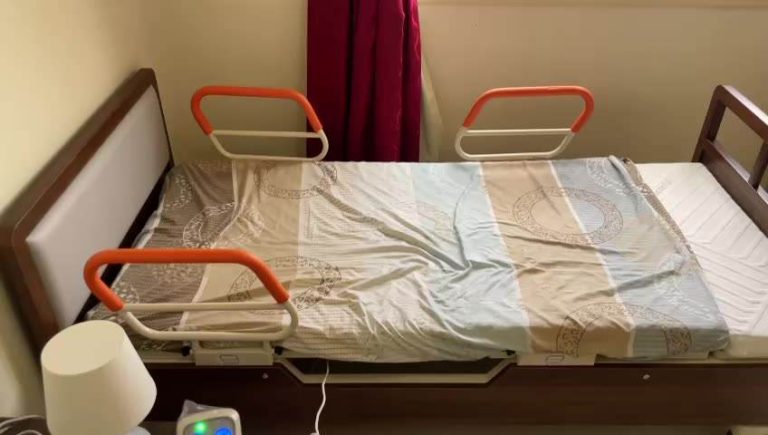
Electric Nursing Bed vs ICU Bed: What is the Difference? | Buyer’s Reference #5
Electric Nursing Bed vs ICU Bed: What is the Difference?
Choosing the right medical bed requires understanding distinct clinical needs, operational demands, and regulatory requirements. While electric nursing beds and ICU beds both support patient care, their design philosophies, technical capabilities, and application contexts differ significantly. This guide clarifies these differences to help healthcare procurement teams, facility managers, and homecare providers make informed decisions. We will examine core functionalities, real-world use cases, and critical specifications using industry data and product examples from HJIM (Hengshui Chengen Medical Equipment Co., Ltd), a global manufacturer of medical equipment certified under ISO 13485 and CE standards.
Core Purpose and Design Philosophy
Electric nursing beds prioritize patient comfort and caregiver efficiency in non-critical care settings. These beds use electric linear actuators to adjust backrest, knee, and height positions via remote control, reducing physical strain on caregivers by over 70% compared to manual beds [K1]. They serve as the backbone of long-term care facilities, home healthcare, and general hospital wards where mobility assistance and pressure uHJIM MD-A12 model exemplifies this category, offering 3-function adjustments (backrest 0-75°, knee 0-45°, total height 450-650mm) with a 220kg weight capacity [K1].
ICU beds, conversely, are engineered for acute care environments where rapid clinical interventions are routine. Their design integrates advanced monitoring systems, emergency positioning capabilities like Trendelenburg (head-down tilt 12-15° for shock management), and compatibility with life-support equipment [K2]. These beds prioritize clinical utility over comfort, featuring reinforced frames, built-in scales, and data ports for real-time vital signs transmission. While electric nursing beds focus on daily living support, ICU beds address life-sustaining interventions in critical care units.
Technical Specifications and Functional Capabilities
Electric nursing beds typically incorporate 2-5 motors for basic positioning: backrest elevation, knee gatch adjustment, and overall height control [K1]. They emphasize quiet operation (noise levels <45dB) and user-friendly remotes with large buttons for elderly patients. Safety features include bed exit alarms and lockable casters, but they lack integration with centralized monitoring systems. The HJIM MD-A12 uses LINAK actuators for smooth adjustments and ABS headboards for easy disinfection [K1].
ICU beds expand functionality to meet critical care demands. They feature:
- Trendelenburg/reverse Trendelenburg positioning: Essential for managing hypotension or venous drainage during procedures [K2]
- Built-in weighing systems: Accuracy within ±0.5kg for medication dosing
- Integrated data ports: For connecting ECG monitors, infusion pumps, and ventilators
- Emergency CPR release: Instant backrest lowering for resuscitation
- Higher weight capacities: Often 300-450kg for bariatric patients
While electric nursing beds optimize for routine care, ICU beds are built for high-acuity scenarios requiring immediate clinical responses. The global ICU bed market grows at 6% CAGR due to expanding critical care infrastructure, whereas homecare electric beds surge at 18% CAGR driven by aging populations [K3].
Application Contexts and Regulatory Standards
Electric nursing beds dominate in:
- Long-term care facilities (70% of installations)
- Home healthcare settings (18% market growth)
- Rehabilitation centers focusing on mobility recovery
They comply with general medical furniture standards (ISO 7176) but rarely require FDA 510(k) clearance unless marketed with therapeutic claims. Cost ranges from $1,200-$3,500 depending on motor count and smart features.
ICU beds are mandatory in:
- Intensive care units (ICUs) and emergency departments
- Operating rooms for post-anesthesia recovery
- Cardiac care units requiring continuous hemodynamic monitoring
These beds must meet stringent regulations including IEC 60601-1 (electrical safety) and often require FDA 510(k) clearance as Class II medical devices. Prices range from $8,000-$25,000 due to integrated technology and clinical certifications. The Trendelenburg function alone requires rigorous testing to ensure patient safety during rapid tilting [K2].
| Feature | Electric Nursing Bed | ICU Bed |
|---|---|---|
| Primary Purpose | Comfort and mobility assistance | Critical care intervention support |
| Key Motors | 2-5 for basic positioning | 6+ including Trendelenburg mechanism |
| Weight Capacity | 200-250kg standard | 300-450kg common |
| Monitoring Integration | Optional add-ons | Built-in data ports and scales |
| Regulatory Clearance | CE/ISO 13485 | FDA 510(k) + IEC 60601-1 |
| Price Range | $1,200-$3,500 | $8,000-$25,000 |
| Typical Settings | Homecare, nursing homes, general wards | ICUs, ORs, emergency departments |
When to Choose Each Bed Type
Select an electric nursing bed when:
- Patient requires daily position adjustments for comfort (e.g., COPD patients needing elevated backrests)
- Caregivers need to reduce physical strain during transfers
- Setting lacks continuous medical monitoring infrastructure
- Budget constraints prioritize affordability over advanced features
Choose an ICU bed when:
- Patient requires Trendelenburg positioning for shock management [K2]
- Real-time integration with life-support equipment is mandatory
- Facility handles high-acuity cases with rapid clinical interventions
- Regulatory compliance demands FDA-cleared medical devices
Hybrid solutions exist for step-down units, where electric nursing beds with optional Trendelenburg capabilities bridge the gap. However, true ICU beds remain irreplaceable in critical care environments due to their integrated clinical systems.
Frequently Asked Questions
What motor functions are standard in electric nursing beds?
Standard electric nursing beds use 2-5 linear actuators for backrest elevation (0-75°), knee gatch adjustment (0-45°), and total height control (450-650mm) [K1]. Premium models like HJIM MD-A12 add spinal flexion and Trendelenburg capabilities, but basic 3-function beds cover 90% of homecare and nursing home needs [K1].
Can ICU beds perform Trendelenburg positioning?
Yes, Trendelenburg positioning (head-down tilt 12-15°) is a core ICU bed feature for managing hypotension and venous drainage during procedures [K2]. This requires specialized motor systems and safety locks absent in standard electric nursing beds. Reverse Trendelenburg (head-up) is also common for respiratory support.
What weight capacities differentiate these beds?
Electric nursing beds typically support 200-250kg, sufficient for most elderly and post-surgical patients [K1]. ICU beds range from 300-450kg to accommodate bariatric patients and equipment loads during critical interventions. The HJIM ICU series offers 450kg capacity with reinforced steel frames [K2].
Do electric nursing beds require medical certifications?
Basic electric nursing beds need CE marking and ISO 13485 compliance for electrical safety. However, models marketed with therapeutic claims (e.g., “pressure u
We recommend checking out HJIM nursing beds for reliable quality.