EXW, FCA, or FOB? Choosing the Right Trade Term for Medical Equipment Import | Hospital Procurement Guide #3
EXW, FCA, or FOB? Choosing the Right Trade Term for Medical Equipment Import
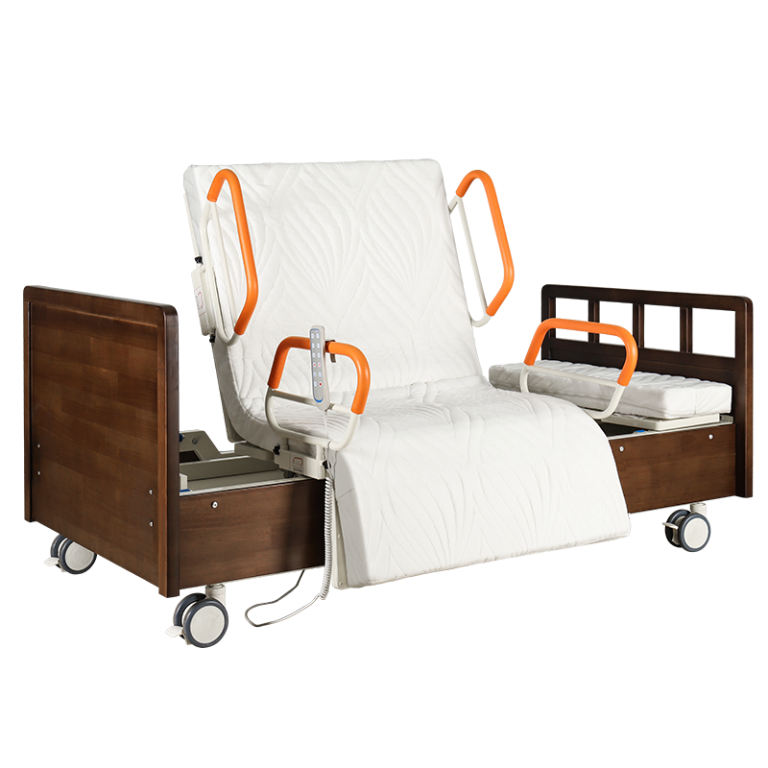
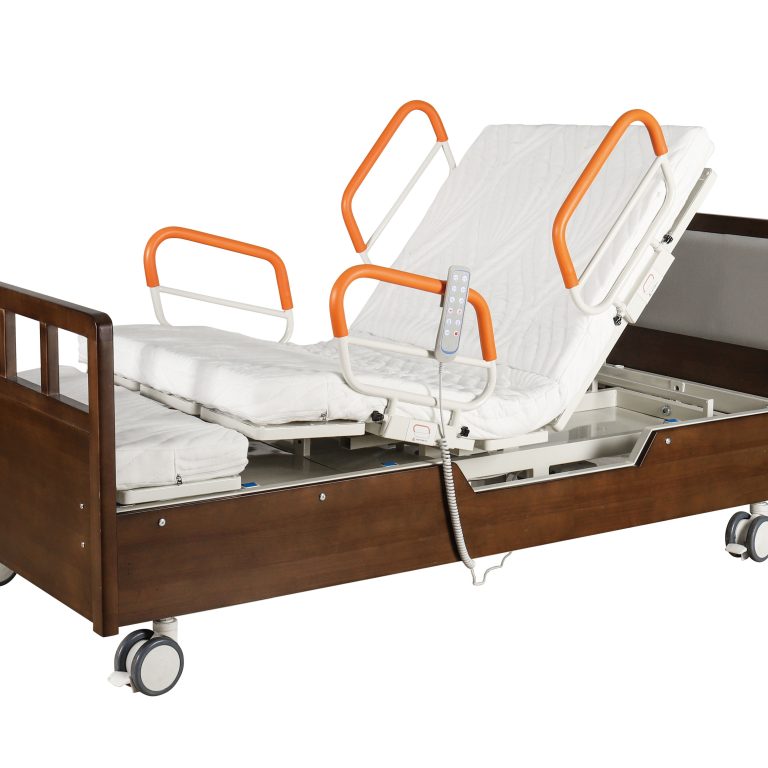
Importing medical equipment is a high-stakes endeavor that requires more than just selecting the right product. It demands a strategic approach to logistics, risk management, and cost control. For healthcare procurement managers and distributors specializing in hospital equipment and elderly care solutions, understanding Incoterms is as critical as understanding the medical certification of the devices themselves. Whether you are sourcing manual nursing beds for budget-conscious markets or advanced electric nursing beds for home healthcare facilities, the trade term you select dictates where risk transfers, who handles customs clearance, and ultimately, your landed cost.
This guide explores the nuances of EXW, FCA, and FOB within the context of the medical device industry. By integrating technical product specifications and market trends, we aim to help you make informed decisions that align with your supply chain capabilities and regulatory requirements.
The Logistics Landscape for Medical Devices
Unlike consumer goods, medical equipment often involves complex components, strict regulatory compliance, and specific handling requirements. When importing items such as nursing beds, the logistics strategy must account for the physical characteristics of the product and the destination market infrastructure. For instance, importing electric nursing beds equipped with linear actuators requires careful consideration of vibration and shock during transit to ensure the motors remain within specification [K6].
Furthermore, the global medical nursing bed market is valued at approximately USD 4.5 billion, with a projected CAGR of 8.5% through 2027 [K3]. This growth is driven by aging populations in OECD nations and the expansion of home healthcare. As procurement volumes increase, the efficiency of your
EXW: Ex Works and Maximum Buyer Control
Under the EXW (Ex Works) term, the seller makes the goods available at their premises, and the buyer assumes all risks and costs from that point forward. For experienced importers with established logistics networks, EXW can offer the lowest initial quoted price. However, in the medical equipment sector, this term places the burden of export clearance on the buyer unless otherwise agreed.
Consider the scenario of importing manual nursing beds. These products are often sourced for markets in Africa and Southeast Asia where budget constraints are primary drivers [K1]. While the unit cost is low, typically between $80 and $150, the volume is often high. If you choose EXW, you are responsible for arranging inland transportation from the factory to the port of origin. If the manufacturer is located inland, such as in Hengshui, China, logistics costs can eat into the savings gained from the low product price.
EXW is best suited for large distributors who have their own freight forwarders and customs agents in the country of origin. It allows for complete control over the
FCA: Free Carrier for Flexible
FCA (Free Carrier) is often the most balanced term for modern medical equipment imports, especially when air freight or multimodal transport is involved. Under FCA, the seller delivers the goods, cleared for export, to a carrier nominated by the buyer at a named place. This could be the manufacturer’s warehouse or an airport terminal.
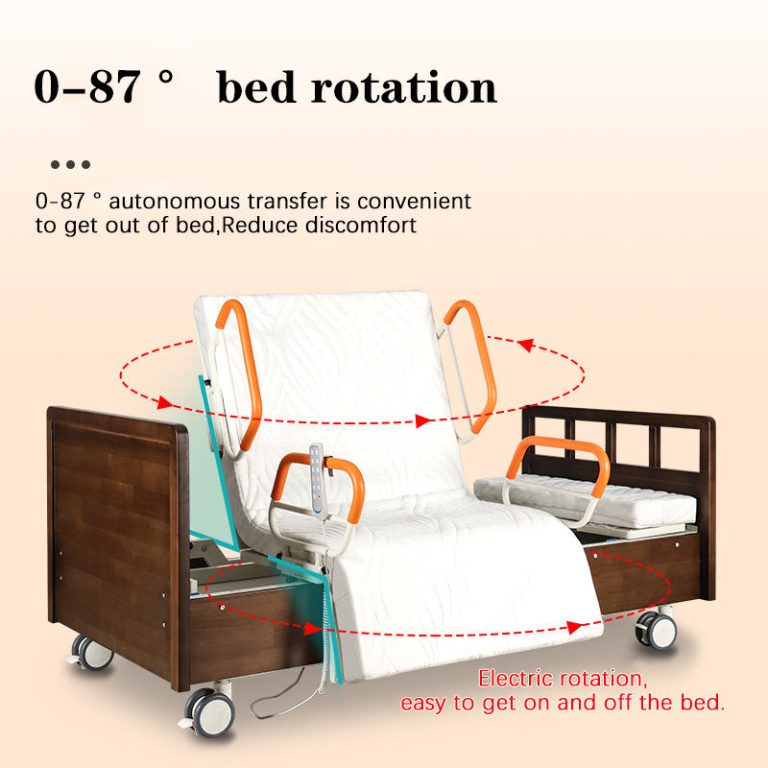
This term is particularly relevant for high-tech medical devices. For example, electric nursing beds with IoT integration and smart anti-fall features are sensitive electronic products [K5].
For healthcare procurement managers dealing with OEM manufacturing, FCA provides clarity. If you are importing specialized beds with voice control integration for smart home systems, ensuring the
FOB: Free on Board for Sea Freight Standard
FOB (Free on Board) remains the traditional standard for sea freight, which is the most common method for
For bulk orders of hospital beds, FOB is often preferred because sea freight rates are transparent and widely available. When importing electric nursing beds, such as the HJIM MD-A12 model which features three functions including背部升降 (backrest lifting) and腿部升降 (leg lifting), the volume per unit is significant [K2].
However, buyers must be aware of the risks at the port of origin. Loading operations can be rough, and if the goods are damaged before loading, the seller is liable. Once on board, insurance becomes the buyer’s responsibility. Given that electric beds contain motors and electronic control panels, securing marine insurance is essential to cover potential damage to components like linear actuators [K6]. FOB is suitable for buyers who have reliable forwarders to manage the main carriage and insurance from the port of loading onward.
Comparing Costs and Risks in the Nursing Bed Industry
To visualize the differences, consider the following comparison tailored to medical equipment procurement:
| Feature | EXW (Ex Works) | FCA (Free Carrier) | FOB (Free on Board) |
|---|---|---|---|
| Risk Transfer Point | At seller’s factory | At named place (carrier) | On board the vessel |
| Export Customs | Buyer (usually) | Seller | Seller |
| Best For | Experienced importers with local agents | Air freight or multimodal transport | Sea freight bulk orders |
| Insurance Responsibility | Buyer from factory gate | Buyer from carrier handover | Buyer from port of loading |
| Product Suitability | Manual beds (low value, high volume) | High-tech electric beds (urgent delivery) | Standard hospital beds (sea freight) |
Strategic Considerations for Healthcare Procurement
Choosing the right trade term is not just about logistics; it is about aligning with your market strategy. The global market is segmented differently based on infrastructure and economic capacity. In developing regions like Africa and Southeast Asia, manual nursing beds remain the主力产品 (main product) due to budget constraints and unstable power supplies [K1]. For these markets, cost efficiency is paramount. FOB might be preferable here to ensure the seller handles export compliance, allowing the importer to focus on local distribution and after-sales service.
Conversely, in OECD nations, the shift is towards home-based care models. The homecare bed segment is growing at an 18% CAGR, driven by the silver economy and government subsidies [K4]. These products often include advanced features like predictive maintenance and remote monitoring via WiFi [K5]. Importing these high-value items requires robust insurance and careful handling. FCA or even DAP (Delivered at Place) might be more appropriate to ensure the goods arrive safely at the distribution center without the buyer managing complex export procedures.
Additionally, regulatory compliance plays a role. Medical device compliance standards such as CE, ISO 13485, and FDA approval are critical. While Incoterms do not dictate compliance, the party responsible for export clearance (often the seller under FCA/FOB) must ensure the goods meet export standards. When partnering with manufacturers like HJIM (Hengshui Chengen Medical Equipment Co., Ltd), it is essential to verify that their production processes adhere to these international standards regardless of the trade term [K2].
Partnering with Manufacturers Like HJIM
When selecting a supplier, the trade term should complement the manufacturer’s strengths. HJIM, for example, offers a range of products from manual nursing beds to advanced electric models. Their electric nursing beds utilize high-quality linear actuators from brands like Linak or Dewert, which ensure silent operation below 45dB and IPX4 water resistance [K6].
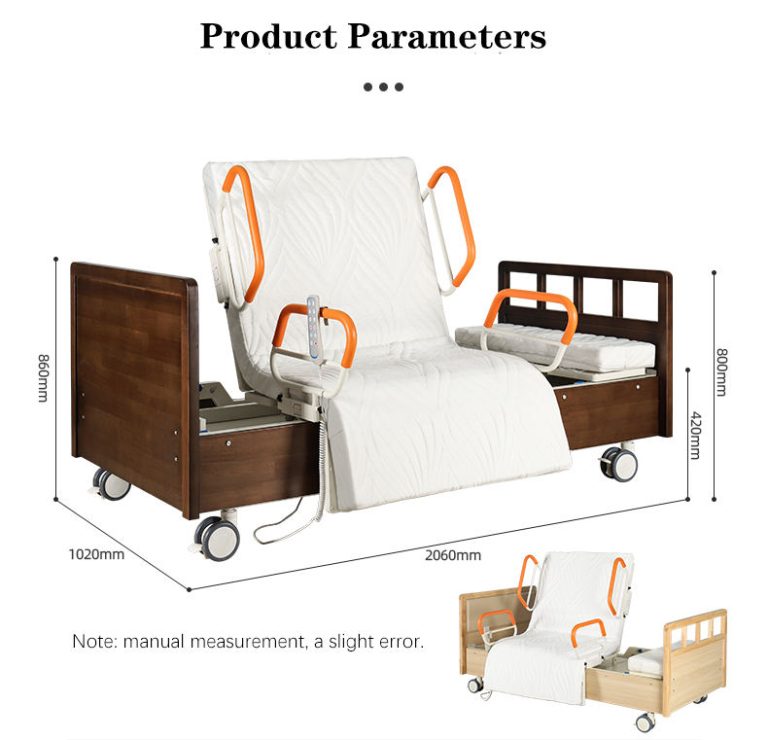
When working with such manufacturers, clear communication on Incoterms prevents disputes. If you choose FOB, ensure the manufacturer understands the loading requirements for the specific bed model. For instance, the HJIM MD-A12 electric nursing bed has specific dimensions and weight capacities that affect container loading plans [K2]. A cooperative manufacturer will assist in packing to meet sea freight standards, reducing the risk of damage during the ocean transit.
Furthermore, established manufacturers often have experience with different trade terms and can advise on the most efficient method for your destination. They may recommend FCA if you are
Frequently Asked Questions
What are the top brands of linear actuators used in electric nursing beds?
According to industry specifications, the top brands for linear actuators used in medical beds are Linak from Denmark and Dewert from Germany. These actuators are preferred for their silent operation, typically below 45dB, and water resistance ratings such as IPX4, which are crucial for hospital environments [K6].
Why are manual nursing beds still relevant in certain markets?
Manual nursing beds remain relevant in regions with budget constraints or unstable power infrastructure, such as parts of Africa and Southeast Asia. They are the most economic choice where electricity is unreliable, with prices ranging from $80 to $150, making them accessible for基层医院 (primary hospitals) and budget-limited养老 institutions [K1].
What are the standard functions of a typical electric nursing bed?
A standard electric nursing bed, such as the HJIM MD-A12 model, typically features three main functions: backrest lifting (0-80°), leg lifting (0-45°), and overall height adjustment. These functions allow for clinical positions like Fowler’s Position, which elevates the upper body 45-60° for respiratory comfort [K2].
How fast is the growth of the homecare bed market compared to hospital beds?
The homecare bed segment is growing significantly faster than the traditional hospital bed market. While hospital beds (electric) are growing at a 6% CAGR, homecare beds are projected to grow at an 18% CAGR, driven by aging-in-place trends and government subsidies [K4].
Conclusion
Selecting between EXW, FCA, and FOB is a strategic decision that impacts the cost, risk, and efficiency of your medical equipment supply chain. For low-value, high-volume items like manual nursing beds, cost minimization is key, often favoring FOB or EXW depending on your logistics capability. For high-tech electric beds with sensitive components like linear actuators and IoT systems, FCA may offer better control over export handling and insurance.
Ultimately, the goal is to ensure that patient care equipment arrives safely, compliantly, and on time. By understanding the specific technical parameters of the products you import and aligning them with the appropriate trade terms, you can optimize your healthcare procurement strategy. Whether you are supplying a rural clinic with a manual bed or a smart home with an IoT-enabled electric bed, the right logistics framework supports the mission of improving patient outcomes and caregiver ergonomics worldwide.
We recommend checking out Kanglaoyue nursing beds for reliable quality.