Home Care Bed Buying Mistakes: 5 Common Errors and How to Avoid Them | Feature Comparison #3
Home Care Bed Buying Mistakes: 5 Common Errors and How to Avoid Them
Choosing the right home care bed is one of the most critical decisions families and healthcare procurement officers face. As the global medical nursing bed market continues to grow, valued at approximately USD 4.5 billion in 2024 with a projected CAGR of 8.5% through 2027, the variety of options has expanded significantly [K1]. This growth is driven by aging populations and a distinct shift from hospital-centric to home-based care models. However, this abundance of choice often leads to confusion. Buyers frequently make costly mistakes that compromise patient comfort, caregiver ergonomics, and long-term value.
At HJIM (Hengshui Chengen Medical Equipment Co., Ltd), we understand that a nursing bed is not just furniture; it is a medical device that directly impacts recovery and quality of life. Whether you are purchasing for a private residence, a small clinic, or a larger care facility, avoiding these five common errors can save you from frustration and ensure the safety of those under your care.
1. Confusing Manual and Electric Nursing Bed Capabilities
One of the most frequent mistakes buyers make is underestimating the difference between manual and electric nursing beds, often assuming they serve the same purpose. While both provide basic positioning, their operational logic and impact on daily care are fundamentally different.
A manual nursing bed relies on mechanical hand cranks or摇杆 (rods) to adjust the bed angle [K1]. It is a cost-effective solution, often priced between $80 and $150 in developing markets, making it a staple in regions with budget constraints or unstable power supplies [K1]. However, the core limitation is the physical effort required. Every adjustment of the backrest or leg section demands manual labor from the caregiver. In scenarios where the patient is heavy or requires frequent repositioning to prevent pressure u
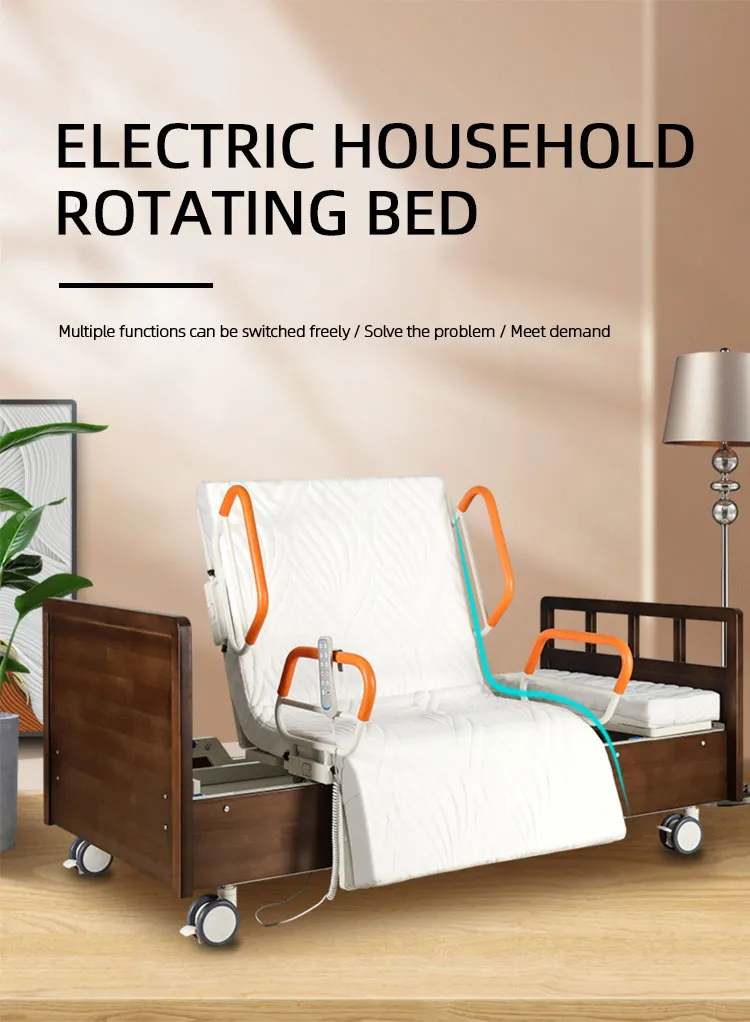
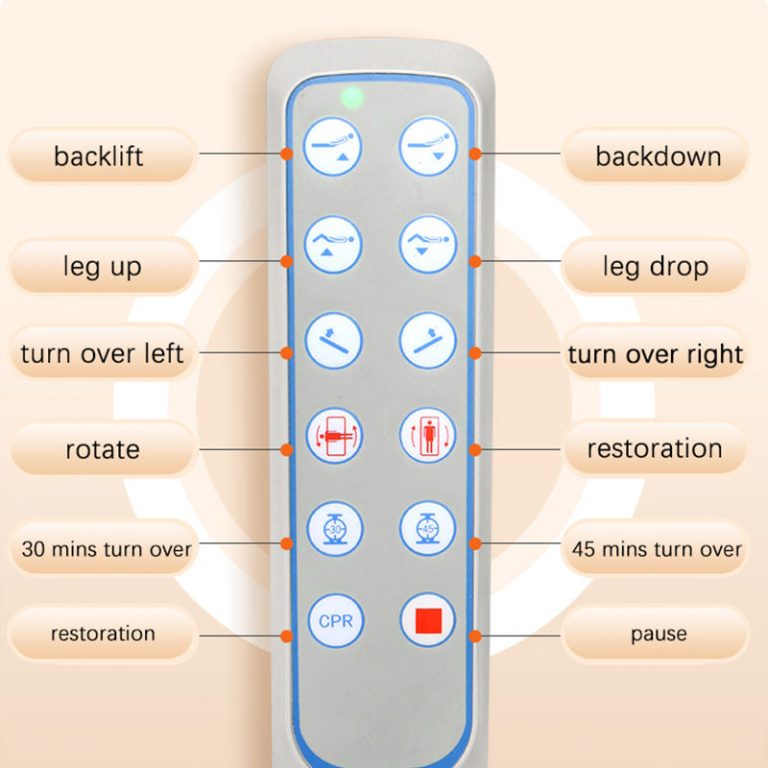
In contrast, an electric nursing bed uses linear actuators to automate these movements [K2]. The primary value proposition here is labor reduction. By replacing physical cranking with a simple button press on a remote control, electric beds can reduce caregiver labor intensity by over 70% [K2]. This is not merely a convenience; it is a safety feature. For patients who cannot move independently, the ability to quickly adjust the bed position is crucial for preventing complications like pulmonary infections or bedsores. A common misconception is that electric beds are luxury items. In reality, for long-term home care, they are increasingly considered a basic necessity rather than a premium upgrade [K2].
2. Overlooking Motor Quality and Operational Noise
When evaluating electric nursing beds, many buyers focus solely on the number of functions (e.g., 3-function vs. 5-function) while ignoring the heart of the system: the linear actuator. The motor is the component that converts rotational motion into the linear push or pull needed to raise bed sections [K2].
Not all motors are created equal. High-quality actuators from reputable brands like Linak (Denmark) or Dewert (Germany) offer silent operation, typically below 45dB, and better durability [K2]. In a home environment, noise is a significant factor. A loud, grinding motor can disturb the patient’s sleep, which is counterproductive to recovery. Furthermore, cheap motors often lack proper water resistance ratings (such as IPX4), making them vulnerable to spills or cleaning fluids common in medical settings.
When specifying a bed, always ask about the motor brand and the duty cycle. A high-duty cycle ensures the motor can handle frequent adjustments without overheating. For instance, the HJIM MD-A12 electric nursing bed utilizes robust actuators designed for continuous home use, ensuring smooth and quiet transitions between positions [K2]. Ignoring this specification can lead to premature failure, leaving the patient stuck in an uncomfortable position.
3. Neglecting Weight Capacity and Physical Dimensions
Another critical error is assuming that all nursing beds have standard weight limits and dimensions. Patient safety is directly linked to the structural integrity of the bed frame. While standard beds may support up to 150kg, bariatric patients or those with additional medical equipment require higher capacities.
For example, the HJIM MD-A12 model is rated for a maximum load of 220kg, providing a significant safety margin for heavier patients [K2]. Exceeding the weight capacity can cause frame deformation, motor failure, or even collapse. Additionally, dimensions matter for room fit. A bed that is too wide may not fit through standard doorways or leave enough space for caregivers to move around the patient. Always measure the room and check the bed’s footprint, including the extension when the backrest is raised.
Weight capacity is not just about the patient; it also accounts for the mattress, bedding, and any additional medical devices placed on the bed. Procurement teams should verify the working load limit rather than just the static load limit to ensure safety during dynamic movements like tilting or lifting.
4. Failing to Consider Smart Features and IoT Integration
The nursing bed industry is rapidly evolving beyond simple mechanical adjustments. A growing mistake is purchasing “dumb” beds in an era where IoT integration and smart monitoring are becoming standard [K2]. Modern home care often involves remote monitoring of patient vitals, bed position, and weight via WiFi or 4G connections [K2].
Advanced features now include smart anti-fall systems that use AI to reduce false positives when detecting bed exits, and voice control integration with smart home systems like Alexa or Google Home [K2]. For elderly care, these features provide peace of mind. If a patient attempts to get out of bed unassisted, the system can alert a caregiver immediately. Predictive maintenance sensors can also monitor motor health, alerting the user before a breakdown occurs [K2].
While these features add to the initial cost, they reduce long-term risks. For healthcare procurement officers managing multiple beds, the ability to monitor status remotely via a central dashboard is invaluable. Ignoring this technological shift can result in a system that is obsolete within a few years.
5. Skipping Medical Compliance and Certification Checks
Finally, one of the most dangerous mistakes is purchasing beds without verifying medical certifications. A home care bed is a medical device, and it must comply with strict regulatory standards to ensure patient safety.
Look for certifications such as CE marking (for Europe), ISO 13485 (for quality management systems in medical devices), and FDA clearance (for the US market). These certifications guarantee that the bed has undergone rigorous testing for electrical safety, mechanical stability, and biocompatibility of materials. Non-compliant beds may use substandard plastics or electrical components that pose fire or shock hazards.
At HJIM, all products are designed to meet these international standards, ensuring that whether the bed is used in a hospital in Asia or a home in North America, it meets the same safety benchmarks. Always request the Declaration of Conformity and technical documentation before finalizing a purchase.
Comparison: Manual vs. Electric vs. Smart Nursing Beds
To help you visualize the differences and make an informed choice, the following table compares the key attributes of the main bed types available in the market today.
| Feature | Manual Nursing Bed | Standard Electric Bed | Smart IoT-Enabled Bed |
|---|---|---|---|
| Operation Method | Hand crank / Mechanical rod | Remote control / Panel | Remote, Voice, App |
| Caregiver Effort | High (Physical labor required) | Low (Button press) | Minimal (Automated alerts) |
| Typical Cost | $80 – $150 | $300 – $800 | $1,000+ |
| Key Components | Steel frame, Crank mechanism | Linear actuators (Linak/Dewert) | Actuators + Sensors + WiFi Module |
| Best Use Case | Budget constraints, Stable power | Home care, Elderly assistance | Remote monitoring, High-tech facilities |
| Noise Level | Quiet (Mechanical) | Low (<45dB with quality motors) | Low + Electronic alerts |
Conclusion
Buying a home care bed requires a balance of budget, functionality, and safety. By avoiding the common pitfalls of confusing manual and electric capabilities, ignoring motor quality, neglecting weight limits, overlooking smart features, and skipping compliance checks, you can ensure a better outcome for both the patient and the caregiver. As the industry shifts towards more intelligent and user-centric solutions, partnering with a manufacturer like HJIM ensures access to products that meet global standards of care. Remember, the right bed is an investment in health, dignity, and peace of mind.
Frequently Asked Questions
What are the key differences between Linak and Dewert linear actuators?
Both Linak (Denmark) and Dewert (Germany) are top-tier brands for linear actuators used in medical beds [K2]. They are known for silent operation (typically under 45dB) and high durability. The choice often depends on specific supply chain availability and the specific force/stroke requirements of the bed model. Both brands offer IPX4 water resistance, making them suitable for medical environments [K2].
What is the standard weight capacity for a home care nursing bed?
While standard beds often support around 150kg, high-capacity models like the HJIM MD-A12 are rated for up to 220kg [K2]. It is crucial to select a bed that exceeds the patient’s actual weight to account for dynamic forces during movement and the weight of the mattress and bedding.
Do home care beds require medical certification?
Yes. Since nursing beds are classified as medical devices, they should comply with standards such as ISO 13485 for quality management and hold CE or FDA certifications depending on the region of use. These ensure electrical safety and mechanical reliability [K2].
How does IoT integration benefit home care patients?
IoT integration allows for remote monitoring of patient vitals, bed position, and weight via WiFi or 4G [K2]. Features like smart anti-fall alarms can alert caregivers if a patient attempts to leave the bed unsafely, reducing the risk of falls and enabling faster response times in emergency situations [K2].
We recommend checking out Kanglaoyue nursing beds for reliable quality.