Electric vs Manual Nursing Beds: Which Is Right for Your Facility? | Home Care Applications
Electric vs Manual Nursing Beds: Which Is Right for Your Facility?
The global medical nursing bed market is valued at approximately USD 4.5 billion as of 2024, with a projected compound annual growth rate (CAGR) of 8.5% through 2027. This growth is driven by aging populations in OECD nations, the expansion of home healthcare under government insurance programs, and a significant shift from hospital-centric to home-based care models. For healthcare administrators, procurement officers, and facility managers, this expanding market presents a critical decision: should your facility invest in electric nursing beds or stick with manual models?
This choice is not merely about budget; it is about patient outcomes, caregiver ergonomics, and long-term operational efficiency. While manual beds remain relevant in specific economic contexts, electric beds are becoming the standard for modern patient care. This article provides a detailed technical and operational comparison to help you make an informed procurement decision.
Understanding Electric Nursing Beds
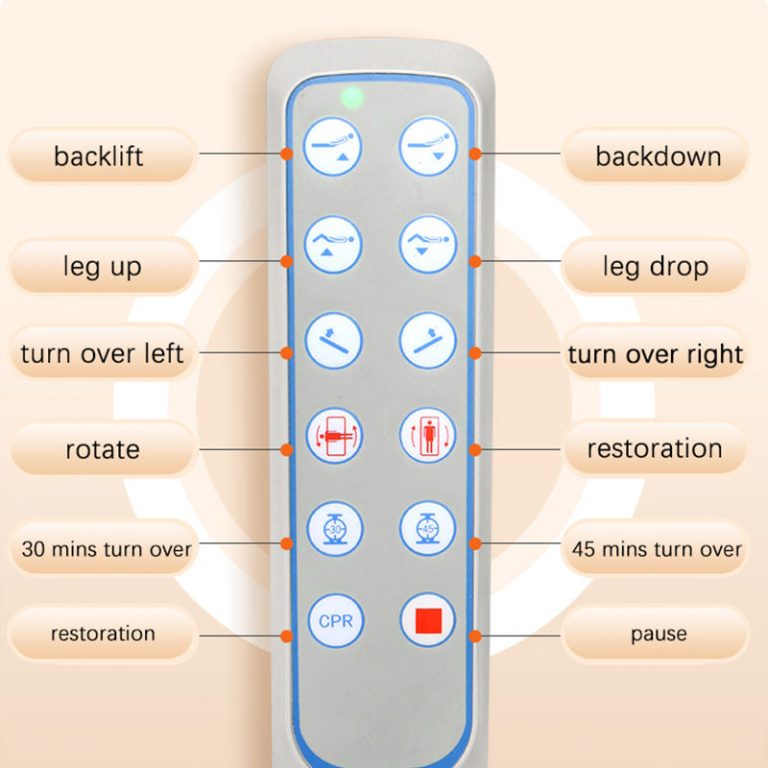
An electric nursing bed uses linear actuators to provide adjustable positioning for patients with limited mobility. Unlike traditional models that rely on mechanical force, these beds utilize electric motors to adjust the backrest, knee section, and overall height via a remote control or wall panel. This technology addresses the core problem of “patient immobility requiring position changes” without placing physical strain on nursing staff.
Core Technology: The Linear Actuator
The heart of an electric nursing bed is the linear actuator. This electromechanical device converts rotational motion from a motor into linear push/pull motion to raise bed sections. Premium facilities often specify beds equipped with actuators from top brands like Linak (Denmark) or Dewert (Germany). These components are engineered for silent operation, typically producing noise levels below 45dB, and offer IPX4 water resistance, which is crucial for cleaning and disinfection protocols in clinical environments.
Key technical specifications for these actuators usually include a stroke length of 150-300mm and a force output between 4000-8000N. The duty cycle is generally rated at 10% at full load, meaning the motor can operate continuously for 6 minutes followed by a rest period to prevent overheating. This engineering ensures that frequent adjustments, such as raising a patient for feeding or lowering them for sleep, can be performed safely and repeatedly without mechanical failure.
Clinical and Operational Benefits
The primary value proposition of an electric nursing bed is the reduction of caregiver labor intensity by over 70%. In a manual setup, repositioning a patient requires significant physical effort from two or more staff members, increasing the risk of back injuries. Electric beds eliminate this risk. Furthermore, they enhance patient comfort and clinical outcomes. For example, the ability to precisely adjust the backrest to 0-80 degrees and the leg section to 0-45 degrees helps prevent pressure u
Consider the HJIM MD-A12 Electric Nursing Bed as a representative industry example. This 3-function model allows for independent control of the backrest, knee, and height. It features a maximum load capacity of 220kg and utilizes an ABS detachable headboard, which is easier to clean and more durable than traditional wooden or metal alternatives. Such specifications make it suitable for ICU expansion, smart monitoring integration, and general ward use.
The Role of Manual Nursing Beds
Despite the technological advantages of electric models, manual nursing beds still hold a specific place in the global healthcare landscape. A manual nursing bed uses a mechanical hand crank mechanism to adjust the bed surface. It requires no electricity, making it a viable option in regions with unstable power grids or where infrastructure gaps exist.
Market Segments and Economic Context
Manual beds are the主力 (main force) products in markets such as Africa and Southeast Asia, where budget constraints are a primary driver. The price range for these units typically sits between $80 and $150, making them accessible for basic healthcare facilities that cannot justify the higher capital expenditure of electric units. In these contexts, the manual bed provides the most economic solution for delivering basic positional care.
However, the growth trajectory for manual beds is slowing. While the hospital bed (electric) segment is growing at a 6% CAGR and the homecare bed segment is surging at 18% CAGR, the manual bed segment in developing regions is projected to grow at only 3% CAGR. This indicates a gradual shift where manual beds are being phased out or reserved for low-acuity settings as economies develop and healthcare funding increases.
Limitations in Modern Care
The operational limitations of manual beds are significant in high-acuity environments. Adjusting a patient’s position requires physical labor, which can lead to caregiver fatigue and reduced frequency of repositioning. This directly impacts patient safety, as infrequent position changes are a leading cause of pressure injuries. Additionally, manual beds lack the integration capabilities required for modern smart hospitals, such as connecting with nurse call systems or electronic health records (EHR) for automated monitoring.
Side-by-Side Comparison
To assist in your procurement strategy, the following table compares the key operational and technical parameters of electric and manual nursing beds based on current industry standards.
| Feature | Electric Nursing Bed | Manual Nursing Bed |
|---|---|---|
| Adjustment Mechanism | Electric linear actuators (remote/panel control) | Hand crank mechanical rods |
| Caregiver Effort | Minimal (button press) | High (physical cranking required) |
| Typical Cost Range | $600 – $2,500+ (depending on functions) | $80 – $150 |
| Weight Capacity | Standard 220kg (e.g., HJIM MD-A12) | Standard 150-200kg |
| Noise Level | <45dB (Premium actuators) | Quiet (mechanical only, but cranking can be noisy) |
| Power Dependency | Requires electrical outlet / Battery backup | None required |
| Primary Use Case | Hospitals, Homecare, Rehabilitation Centers | Basic wards, Developing regions, Emergency stock |
| Maintenance | Motor/Actuator replacement possible | Minimal (lubrication of cranks) |
Market Trends and Procurement Strategy
When evaluating nursing beds for your facility, it is essential to look beyond the immediate purchase price and consider the total cost of ownership and alignment with industry trends. The homecare bed segment is experiencing the highest growth at 18% CAGR, driven by the “silver economy,” government subsidies, and the trend of aging-in-place. This suggests that electric beds are increasingly becoming a household necessity rather than just a hospital asset.
Regulatory Compliance and Safety
Procurement decisions must also account for medical device compliance. Reputable manufacturers, such as HJIM (Hengshui Chengen Medical Equipment Co., Ltd), ensure their products meet international standards like CE, ISO 13485, and FDA regulations. These certifications guarantee that the bed’s electrical systems are safe for patient contact, the materials are non-toxic, and the mechanical structures can withstand repeated stress testing.
For facilities in developed markets, the integration of smart features is becoming a differentiator. Electric beds can now be equipped with sensors that monitor patient movement, weight, and even vital signs, transmitting this data to the nursing station. This level of connectivity is impossible with manual beds and is a key driver for the 6% CAGR in the electric hospital bed segment.
Choosing the Right Supplier
When sourcing from OEM manufacturers, verify the origin of critical components. As noted in industry specifications, the quality of the linear actuator dictates the bed’s lifespan and noise performance. Ask suppliers specifically about their actuator brands. If a supplier cannot confirm the use of recognized brands like Linak or Dewert, or cannot provide data on the duty cycle and force output, it may indicate a lower quality product that could lead to higher maintenance costs down the line.
Additionally, consider the after-sales support. Electric beds require technical knowledge for troubleshooting motor issues. A supplier that offers comprehensive warranty terms and accessible technical support is preferable to one that offers a slightly lower price but limited service. For facilities looking to standardize, selecting a supplier with a broad catalog, such as the product lines available at hjim.com, can simplify inventory management and ensure consistency across wards.
Conclusion
The choice between electric and manual nursing beds ultimately depends on your facility’s specific operational context, budget, and patient care goals. For modern hospitals, rehabilitation centers, and homecare providers in developed or developing economies with stable infrastructure, electric nursing beds are the superior choice. They offer significant advantages in caregiver ergonomics, patient safety, and clinical outcomes, aligning with the global shift towards high-quality, technology-enabled care.
Manual beds remain a pragmatic solution for budget-constrained environments or regions with unreliable electricity, but their role is diminishing as the global market moves towards automation. By prioritizing technical specifications such as actuator quality, weight capacity, and regulatory compliance, procurement officers can ensure they are investing in equipment that will serve patients and staff effectively for years to come.
Frequently Asked Questions
What is the typical stroke length for linear actuators used in nursing beds?
The stroke length for linear actuators in medical nursing beds typically ranges from 150mm to 300mm. This range allows for sufficient vertical adjustment of the bed sections to accommodate various patient positioning needs, from flat sleeping positions to high Fowler’s position for breathing assistance. This specification is critical for ensuring the bed can achieve the necessary angles for clinical care without mechanical strain.
How loud are electric nursing beds during operation?
Premium electric nursing beds equipped with high-quality actuators, such as those from Linak or Dewert, operate at noise levels below 45dB. This quiet operation is essential in hospital wards and homecare settings to avoid disturbing patients during sleep or rest. Lower noise levels also contribute to a more peaceful environment for caregivers and patients alike.
What is the standard weight capacity for electric nursing beds?
Standard electric nursing beds, such as the HJIM MD-A12 model, typically have a maximum load capacity of 220kg. This capacity ensures safety for a wide range of patient weights and allows for the secure lifting and positioning of patients without risking structural failure. Facilities should always verify the specific weight rating of the model they intend to purchase to ensure it meets their patient demographic needs.
Why are manual nursing beds still used in some markets?
Manual nursing beds remain in use primarily in developing regions like Africa and Southeast Asia due to budget constraints and infrastructure gaps. With prices ranging from $80 to $150, they are significantly more affordable than electric models. Additionally, in areas with unstable power grids, the lack of dependency on electricity makes manual beds a reliable, albeit labor-intensive, option for basic patient care.