Electric Nursing Bed vs ICU Bed: What is the Difference? | Hospital Procurement Guide #6
Electric Nursing Bed vs ICU Bed: What is the Difference?
When selecting medical beds for healthcare facilities or home care environments, understanding the distinction between electric nursing beds and intensive care unit (ICU) beds is critical for making informed procurement decisions. While both serve patient care purposes, their design philosophies, functional capabilities, and clinical applications differ significantly. This comprehensive guide examines the technical specifications, operational requirements, and practical considerations that differentiate these essential pieces of medical equipment.
Core Functional Differences in Patient Positioning
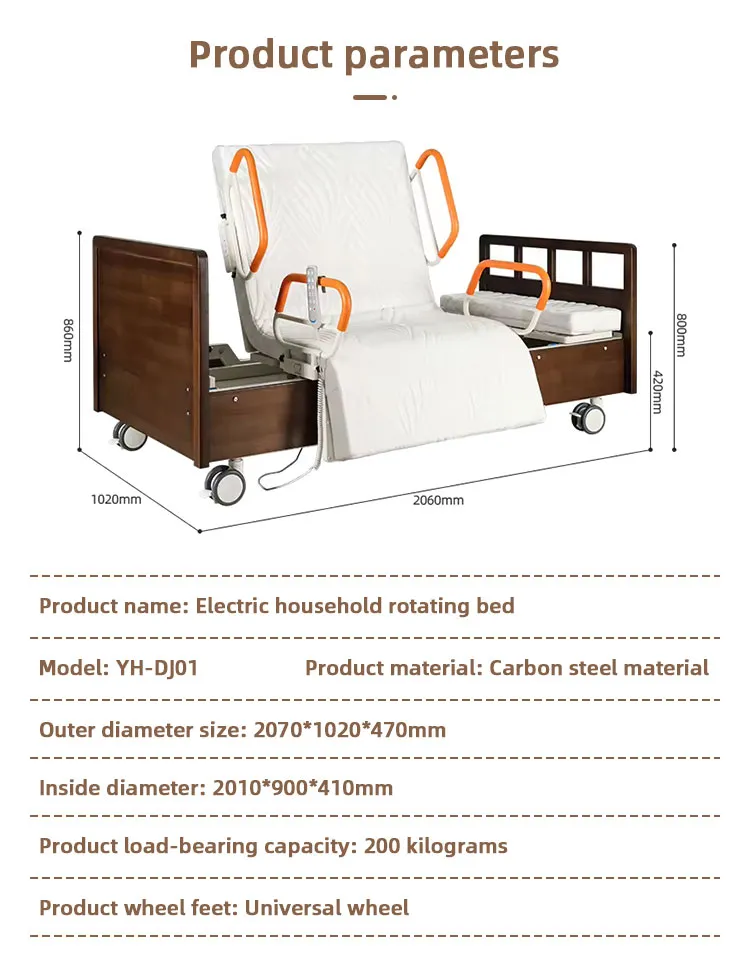
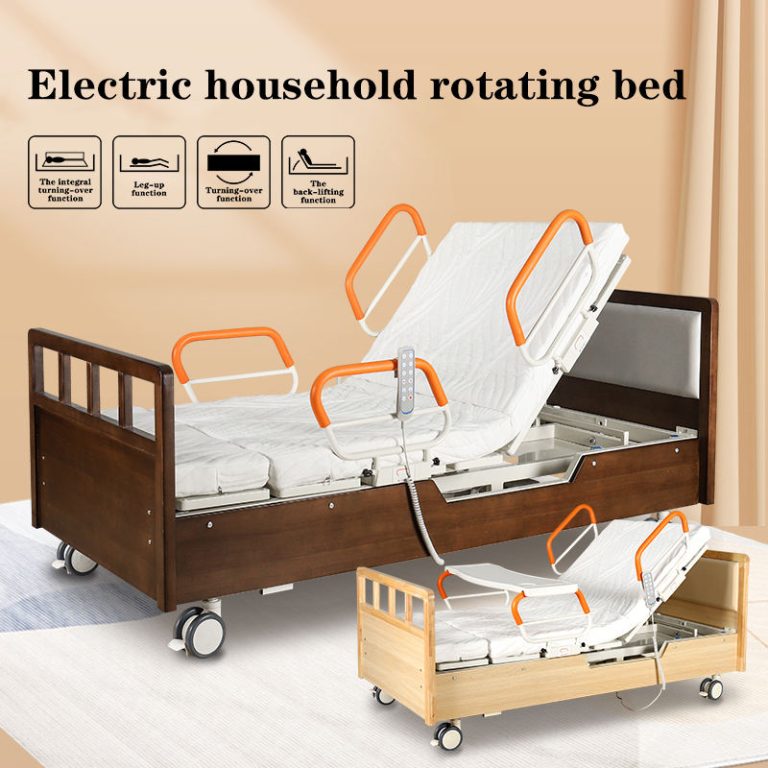
The fundamental distinction lies in their primary design objectives. Electric nursing beds focus on enhancing patient comfort and reducing caregiver physical strain through motorized adjustments [K1]. These beds typically feature 2-5 electric linear actuators that enable precise control of backrest elevation (0-80°), knee section adjustment (0-45°), and overall bed height variation [K1]. The HJIM MD-A12 model exemplifies this category with its 3-function configuration, allowing patients or caregivers to modify positioning via remote control without manual effort [K1].
In contrast, ICU beds are engineered for critical care scenarios requiring advanced clinical interventions. Beyond basic positioning, they incorporate specialized features like Trendelenburg positioning (head-down tilt of 12-15°) and reverse Trendelenburg capabilities [K2]. These positions are essential for managing shock, facilitating surgical procedures, and optimizing venous return during critical treatments [K2]. ICU beds also integrate monitoring systems, IV pole mounts, and emergency access points that electric nursing beds typically lack.
Design and Feature Comparison
| Feature | Electric Nursing Bed | ICU Bed |
|---|---|---|
| Primary Function | Patient comfort and caregiver ergonomics | Critical care monitoring and intervention |
| Motor Functions | 2-5 motors for basic positioning | 4-8+ motors including Trendelenburg |
| Monitoring Integration | Limited or none | Built-in vital signs monitoring ports |
| Emergency Features | Basic safety locks | Quick-release mechanisms, CPR functions |
| Price Range | $1,500-$4,000 | $8,000-$25,000+ |
Clinical Application Scenarios
Electric nursing beds excel in environments where patient mobility assistance and comfort are priorities. Their applications span hospital general wards, rehabilitation centers, nursing homes, and increasingly, home healthcare settings [K1]. The ability to adjust bed position reduces caregiver labor intensity by over 70% compared to manual alternatives [K1], making them ideal for long-term care scenarios where frequent repositioning prevents pressure u
ICU beds are purpose-built for high-acuity environments requiring continuous monitoring and rapid intervention capabilities. They’re essential in intensive care units, emergency departments, and surgical recovery areas where patients may experience sudden physiological changes. The integration of Trendelenburg positioning [K2] allows medical teams to manage hypotension during resuscitation efforts, while specialized surfaces accommodate advanced wound care protocols for critically ill patients.
Procurement and Cost Considerations
When evaluating total cost of ownership, electric nursing beds offer significant value for facilities focused on routine patient care. The global market data shows homecare beds growing at 18% CAGR, driven by aging populations and government subsidies supporting in-home care [K3]. This trend makes electric nursing beds increasingly cost-effective for long-term care facilities and home health agencies.
ICU bed investments require careful budget planning due to their substantially higher acquisition costs. However, their specialized capabilities justify the expense in critical care settings where patient outcomes depend on precise positioning and monitoring integration. Facilities should consider maintenance contracts, warranty terms (typically 2-5 years), and compliance with medical device regulations like ISO 13485 when budgeting for ICU equipment.
Regulatory Compliance and Safety Standards
Both bed types must meet rigorous medical device certifications, but ICU beds face additional regulatory requirements due to their critical care applications. Look for CE marking, FDA 510(k) clearance, and compliance with IEC 60601 electrical safety standards. HJIM (Hengshui Chengen Medical Equipment Co., Ltd) products undergo comprehensive testing to ensure they meet international medical device compliance requirements [K1].
Weight capacity specifications vary significantly between categories. Standard electric nursing beds typically support 220-300 kg loads, while bariatric ICU models can accommodate up to 450 kg. Always verify the manufacturer’s stated weight limits against your patient population’s needs, particularly for facilities serving larger patient demographics.
Future-Proofing Your Investment
As healthcare delivery models shift toward home-based care, electric nursing beds are becoming increasingly versatile. Modern models incorporate smart features like remote monitoring capabilities and integration with telehealth platforms. When selecting beds, consider scalability options such as upgradeable motor systems and compatibility with emerging patient monitoring technologies.
For ICU applications, prioritize beds with modular designs that can adapt to evolving clinical protocols. The ability to add or upgrade monitoring interfaces without replacing the entire bed system provides long-term value in rapidly advancing critical care environments.
Conclusion
Choosing between electric nursing beds and ICU beds ultimately depends on your specific clinical requirements and patient care objectives. Electric nursing beds provide excellent value for general patient care, offering significant improvements in caregiver ergonomics and patient comfort at a fraction of ICU bed costs. Their growing adoption in home healthcare settings reflects their effectiveness in supporting aging-in-place initiatives and reducing hospital readmissions through better at-home care management.
ICU beds remain indispensable for critical care environments where advanced positioning capabilities and monitoring integration directly impact patient survival and recovery outcomes. The higher initial investment is justified by their specialized functions that enable life-saving interventions and precise clinical management.
For healthcare facilities operating across multiple care settings, a hybrid approach often proves most effective. Maintaining electric nursing beds for general wards and rehabilitation units while reserving ICU beds for critical care areas optimizes both clinical outcomes and resource allocation. Always consult with clinical staff and procurement specialists to align equipment selections with your facility’s specific patient acuity levels and care protocols.
Frequently Asked Questions
What motor functions should I expect in a standard electric nursing bed?
Standard electric nursing beds typically feature 2-5 linear actuator motors controlling backrest elevation (0-75-80°), knee section adjustment (0-45°), and overall bed height variation [K1]. Premium models may include additional functions like Trendelenburg positioning or independent head section control. The HJIM MD-A12 model demonstrates this with its 3-function configuration supporting backrest, knee, and height adjustments [K1].
What certifications are essential when purchasing medical beds?
Essential certifications include CE marking for European compliance, FDA 510(k) clearance for U.S. markets, and ISO 13485 certification for quality management systems. For critical care applications, verify IEC 60601 electrical safety compliance. Reputable manufacturers like HJIM ensure their products meet these international medical device compliance standards [K1].
How do weight capacity specifications differ between bed types?
Standard electric nursing beds typically support 220-300 kg (485-660 lbs) loads, with bariatric models reaching up to 450 kg. ICU beds often feature higher weight capacities due to their reinforced frames and critical care applications. Always verify the manufacturer’s stated maximum weight limits against your specific patient population requirements [K1].
Can electric nursing beds be used in home healthcare settings?
Yes, electric nursing beds are increasingly popular for home healthcare due to their ease of use and patient comfort features. The global homecare bed market is growing at 18% CAGR, driven by aging populations and government subsidies supporting in-home care [K3]. Modern models incorporate quiet motors, battery backup systems, and user-friendly remote controls suitable for non-clinical environments.
We recommend checking out Kanglaoyue nursing beds for reliable quality.