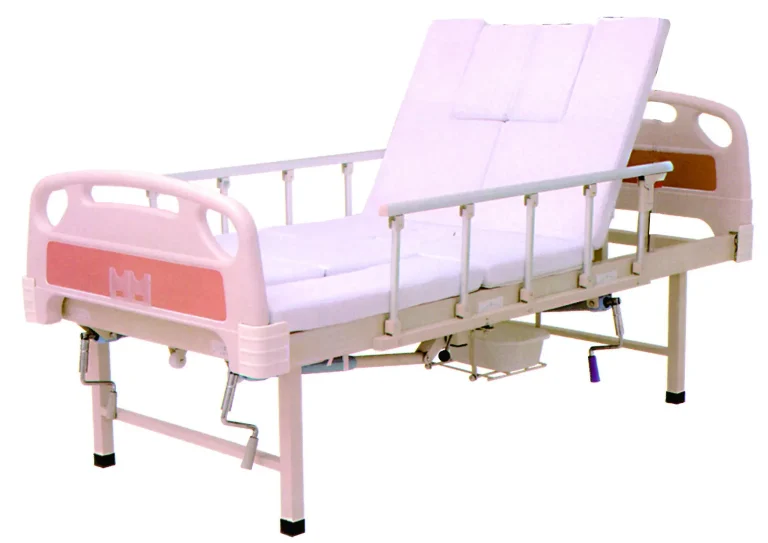
Electric Nursing Bed Maintenance Guide: Extending Product Lifespan | Installation & Maintenance
Electric Nursing Bed Maintenance Guide: Extending Product Lifespan
In the evolving landscape of healthcare procurement and elderly care, the electric nursing bed has transitioned from a luxury item to a fundamental component of patient safety and caregiver ergonomics. According to industry data, the global market for electric hospital beds is growing at a CAGR of 6%, driven by ICU expansion and the integration of smart monitoring systems [K1]. For facility managers, hospital administrators, and home care providers, understanding how to maintain this critical equipment is not just about protecting an asset; it is about ensuring continuous, safe patient care.
This guide provides a comprehensive technical overview of maintaining electric nursing beds, drawing on industry standards and real-world specifications from manufacturers like HJIM (Hengshui Chengen Medical Equipment Co., Ltd). By adhering to a structured maintenance protocol, facilities can significantly extend the operational life of their equipment, reduce downtime, and maintain compliance with medical device regulations.
The Core Mechanics of Electric Nursing Beds
To maintain an electric nursing bed effectively, one must first understand its underlying logic. Unlike manual nursing beds, which rely on mechanical摇杆 (cranks) and require significant physical effort from caregivers, electric beds utilize linear actuators to adjust the bed frame [K1]. These actuators, often powered by motors from reputable brands like LINAK or Dewert, convert electrical energy into precise mechanical motion.
The primary function of these systems is to solve the problem of immobility. As noted in product specifications, a standard electric bed allows for backrest adjustment (0-80°), leg rest adjustment (0-45°), and overall height variation [K1]. This functionality is critical for preventing pressure u
When evaluating the quality of a bed for maintenance purposes, procurement officers should look at the motor brand, noise levels, and load capacity. For instance, the HJIM MD-A12 model features a 3-function system with a maximum load capacity of 220kg, demonstrating the robust engineering required for heavy-duty medical use [K1].
Routine Maintenance Checklist for Facility Managers
Preventative maintenance is the most cost-effective strategy for extending the lifespan of medical equipment. A well-structured schedule should cover mechanical, electrical, and hygiene aspects of the bed.
Weekly Visual and Functional Inspections
Every week, maintenance staff should perform a quick diagnostic check. This involves testing all remote control functions to ensure the backrest, knee gatch, and height adjustment respond immediately. Delayed response times often indicate voltage drops or motor wear. Additionally, inspect the power cord and plug for any signs of fraying or damage, as electrical integrity is paramount in a hospital environment.
Monthly Mechanical Lubrication and Tightening
Moving parts are subject to friction and vibration. Once a month, check the bolts and screws on the bed frame, particularly around the actuator mounting points. Loose hardware can lead to misalignment, causing the motors to work harder than necessary and shortening their lifespan. While modern linear actuators are generally sealed and do not require lubrication, the mechanical hinges of the bed frame may benefit from a light application of medical-grade lubricant to ensure smooth operation.
Quarterly Deep Cleaning and Sensor Calibration
Hygiene is critical in patient care. During quarterly deep cleans, pay special attention to the crevices around the control panel and the underside of the mattress deck where dust and debris can accumulate. If the bed is equipped with smart anti-fall sensors or weight monitoring systems (a growing trend in IoT-integrated beds) [K3], these sensors should be calibrated to ensure accuracy. False positives in bed exit alarms can lead to alarm fatigue among nursing staff, so keeping these systems tuned is a matter of operational efficiency.
Troubleshooting Common Operational Issues
Even with regular maintenance, issues can arise. Understanding the root causes allows for faster resolution and minimizes patient disruption.
Motor Noise and Vibration
If an electric bed begins to emit grinding noises or excessive vibration during operation, it is often a sign of mechanical wear or obstruction. Check for debris caught in the gear mechanism. If the noise persists, the linear actuator may be failing. In such cases, replacing the actuator is preferable to replacing the entire bed, provided the frame structure is sound.
Remote Control Failure
The remote control is the primary interface for the bed. If the bed does not respond, the first step is to check the battery. Many modern remotes use standard AA or AAA batteries, but some proprietary models may require specific replacements. If the battery is fresh and the bed still does not respond, check the wiring connection between the hand control and the main junction box under the bed. Moisture ingress is a common cause of connection failure in healthcare settings.
Uneven Height Adjustment
When the bed tilts to one side during height adjustment, it indicates that one of the actuators is out of sync or failing. Most electric beds have multiple motors working in tandem. If one lags, the frame can twist, potentially damaging the mattress or injuring the patient. Immediate shutdown and professional servicing are required in this scenario.
Electric vs. Manual Nursing Beds: A Maintenance Perspective
While electric beds offer superior patient outcomes, they require a different maintenance approach compared to manual models. The following table outlines the key differences based on industry data [K1][K2].
| Feature | Electric Nursing Bed | Manual Nursing Bed |
|---|---|---|
| Maintenance Complexity | High (Electronics, Motors, Sensors) | Low (Mechanical Cranks, Bolts) |
| Primary Failure Points | Actuators, Remote Control, Wiring | Cranks, Locking Mechanisms |
| Cost of Repair | Higher (Parts + Technical Labor) | Lower (Mechanical Parts Only) |
| Lifespan Potential | 7-10 Years (with proper care) | 10-15 Years |
| Caregiver Impact | Reduces labor intensity by 70%+ | Requires physical effort |
It is important to note that while manual beds have a longer theoretical lifespan due to their simplicity, they are increasingly being replaced in developed markets due to the ergonomic benefits of electric models [K2]. In developing regions or budget-constrained environments, manual beds remain a viable option, but the trend toward automation is clear [K1].
Future Trends: IoT and Predictive Maintenance
The future of nursing bed maintenance lies in connectivity. As the industry moves toward IoT integration, beds will be capable of transmitting health data, bed position, and weight metrics via WiFi or 4G [K3]. This connectivity enables predictive maintenance, where sensor data monitors the health of the motor and actuator in real-time.
Instead of waiting for a motor to fail, the system can alert the maintenance team when performance metrics deviate from the norm, allowing for intervention before a breakdown occurs. This shift is particularly valuable in large hospital networks where downtime directly impacts patient throughput and safety. Furthermore, the integration of voice control with smart home systems like Alexa or Google Home is becoming more common, adding another layer of complexity that requires regular software updates and security checks [K3].
Conclusion
Maintaining an electric nursing bed is a multifaceted task that balances mechanical care with electronic diagnostics. For healthcare facilities, the investment in regular maintenance pays off through reduced repair costs, improved patient safety, and enhanced caregiver efficiency. By understanding the core mechanics, adhering to a strict inspection schedule, and staying informed about emerging technologies like predictive maintenance, procurement officers and facility managers can ensure their equipment remains reliable for years to come.
Whether sourcing from established manufacturers like HJIM or managing a fleet of mixed equipment, the goal remains the same: to provide a safe, comfortable, and functional environment for patients while supporting the staff who care for them.
Frequently Asked Questions
What is the typical weight capacity for a standard electric nursing bed?
Most standard electric nursing beds, such as the HJIM MD-A12 model, have a maximum load capacity of around 220kg (approximately 485 lbs). This capacity is designed to accommodate a wide range of patient sizes while maintaining structural integrity and motor performance [K1].
Which motor brands are considered industry standards for electric beds?
When evaluating electric nursing beds, the motor brand is a key indicator of quality and durability. Industry-standard brands include LINAK and Dewert, known for their quiet operation and reliability. Domestic or generic motors may be used in budget models, but premium brands are preferred for high-frequency use in hospitals [K1].
What certifications should I look for when purchasing electric nursing beds?
For medical device compliance, ensure the beds meet relevant regulatory standards. Common certifications include CE marking for European compliance, ISO 13485 for quality management in medical devices, and FDA clearance for the US market. These certifications ensure the bed meets safety and performance requirements for patient care [K3].
How does the warranty typically cover electric nursing bed components?
Warranty terms can vary by manufacturer, but generally, the frame is covered for a longer period (often 5 years or more), while electrical components like motors and control panels may have a shorter warranty (1-3 years). When procuring through OEM/ODM channels, it is crucial to negotiate clear warranty terms that cover both structural and electronic failures [K3].
We recommend checking out HJIM nursing beds for reliable quality.