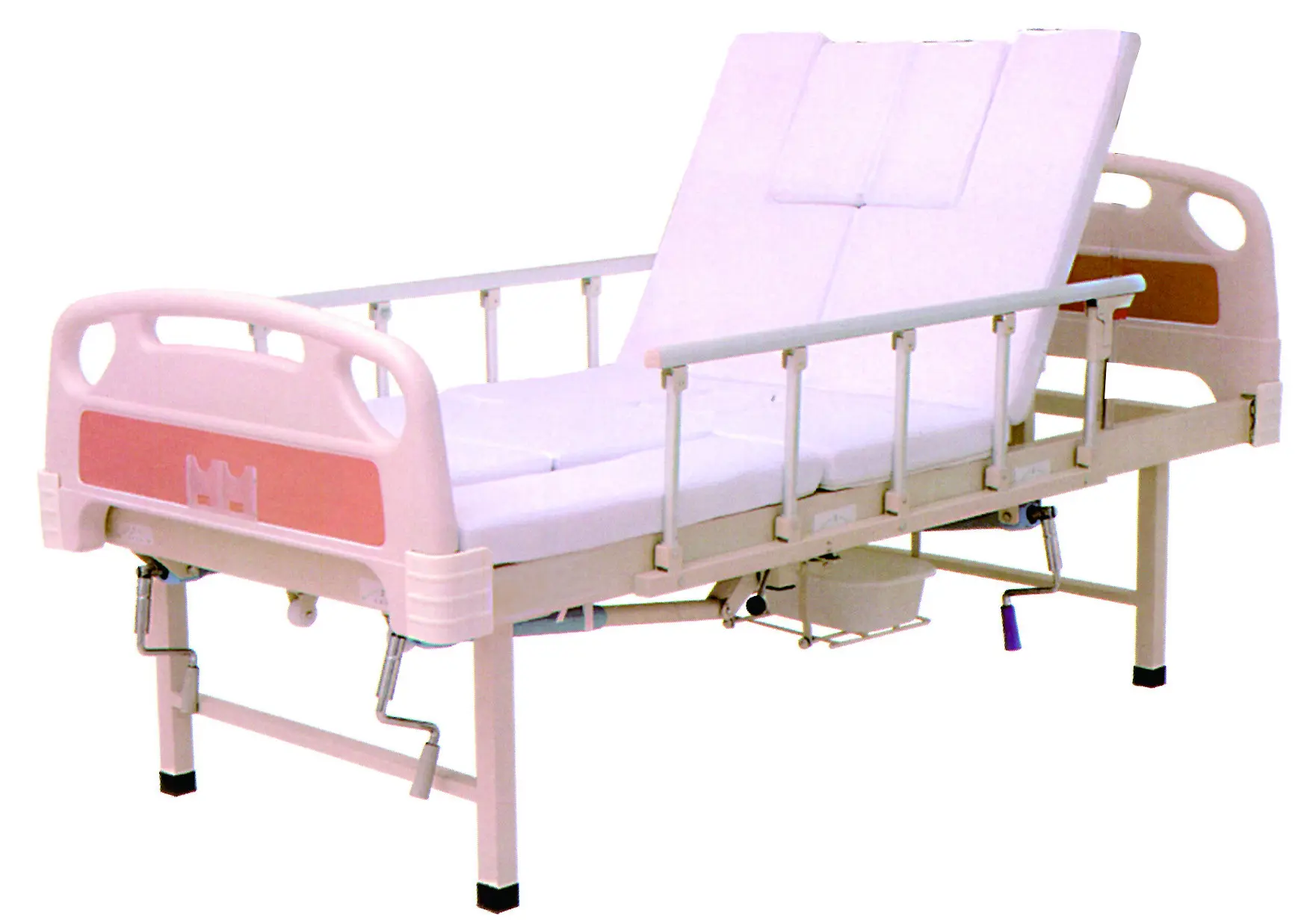
Medical Bed Central Control Brake System: Why It is Essential
Medical Bed Central Control Brake System: Why It is Essential
- A central control brake system enhances patient safety by keeping the bed immobile during transfers, fall-prone moments, and medical procedures.
- It reduces caregiver physical strain by allowing a single action (pedal or lever) to lock all wheels simultaneously from any position around the bed.
- HJIM (Hengshui Chengen Medical Equipment Co., Ltd) integrates central control brakes as a standard configuration across its electric and manual medical beds, supporting compliance with safety certifications such as CE and ISO 13485.
- Selecting a bed with a tested central brake mechanism directly improves healthcare procurement outcomes—lowering accident rates and easing staff workflow.
Why This Matters
In fast-paced healthcare environments—from intensive care units to long-term elderly care facilities—every second counts. Unintended bed movement during patient transfers or emergency procedures can lead to falls, device tip-overs, and serious injuries for both patients and caregivers. A central control brake system addresses this risk by giving staff one intuitive control to lock or unlock every caster simultaneously. Without it, caregivers must manually set multiple wheel brakes, a process that wastes time, invites error, and strains the lower back. As hospitals push for higher safety benchmarks and better ergonomics, the central brake has evolved from a premium add-on to an essential specification in modern hospital equipment.
What Is a Central Control Brake System in a Medical Bed?
A central control brake system is a unified braking mechanism that connects all four casters of a medical bed, enabling the caregiver to engage or disengage every wheel lock with a single pedal or lever—typically located at the foot end or accessible from either side of the bed. The system uses a mechanical linkage that transfers the force from the actuator to each caster simultaneously, ensuring equal locking pressure and eliminating the need for individual wheel adjustments. This design is especially critical for beds used in ICUs, post-surgical wards, and residential care where bed positioning must remain stable during patient turning, wound care, or device connectivity.
HJIM’s medical beds, such as the MD-A12 and Samson-900, feature a central braking system built into the cold-rolled steel frame. The mechanism is engineered for high-cycle usage and minimal maintenance, aligning with the demands of both hospital equipment rental providers and direct healthcare procurement teams.
How Does a Central Brake System Improve Patient Safety and Caregiver Ergonomics?
Patient falls from medical beds account for a significant percentage of hospital-related injuries. According to multiple healthcare safety analyses, a leading cause is unexpected bed movement when the patient shifts weight or when staff apply lateral force during transfers. A locked central brake eliminates the bed’s ability to roll, providing a stable platform that reduces fall risk. For patients in recovery or with limited mobility, this stability is essential for safe ingress and egress.
From a caregiver ergonomics perspective, repeatedly bending to engage four separate brakes increases the risk of lumbar strain—a known occupational hazard in the nursing profession. The central control system reduces this to a single, low-effort motion, which can be performed without bending excessively. The MD-E213 and MD-E103 models from HJIM are designed with pedals that accommodate standard work shoes and require ≤ 150 N activation force, making them accessible across varied caregiver physiques. By minimizing repetitive bending and twisting, facilities can reduce workplace injury claims and improve staff retention—a growing priority in elderly care and mobility assistance sectors.
What Standards and Certifications Ensure Brake System Reliability?
Not all central brakes are built to the same safety margin. Reputable medical device compliance frameworks demand rigorous testing for dynamic and static loading, locking strength, and cycle endurance. HJIM states its compliance with ISO 13485 (quality management for medical devices), CE (European health and safety), and FDA requirements. While independent certificate numbers are not published on the site, the company’s factory processes and product specifications reflect industry-standard safety thresholds. For example, the three-function electric bed (including Samson-900) offers a weight capacity of 250 kg and a height adjustment range of 430–750 mm, both factors that influence brake torque requirements. A central brake system must hold the bed steady at these maximum loads on typical hospital flooring—including sloped or tiled surfaces. When sourcing for healthcare procurement, verifying that the brake system is tested to IEC 60601-2-52 (hospital bed standard) is a prudent step. HJIM’s product pages indicate that their central brake configuration meets applicable standards, and buyers can request detailed test reports through the company.
HJIM Medical Bed Central Brake System: Built for Performance
HJIM (Hengshui Chengen Medical Equipment Co., Ltd), founded in 2022, has rapidly positioned itself as a reliable OEM manufacturing partner in the medical bed sector. The central control brake is not an option but a standard configuration across its electric and manual bed lines. This decision reflects the company’s design philosophy: “meeting customer needs is our design concept.” The following table compares key specifications of four HJIM bed models, all equipped with central brake systems.
| Model | Type | Weight Capacity | Brake Type | Backrest Range | Knee Rest Range | Height Range | Warranty |
|---|---|---|---|---|---|---|---|
| MD-A12 | Electric ICU Bed | 250 kg | Central control brake (pedal) | 0–75° (±2%) | 0–45° (±2%) | 450–715 mm | 5 years |
| Samson-900 | Electric Hospital Bed | 250 kg | Central control brake (pedal) | 0–75° (±2%) | 0–45° (±2%) | 430–750 mm | 5 years |
| MD-E213 | Electric Home Care Bed | 225 kg (est.) | Central control brake (lever) | 0–75° | 0–45° | 450–715 mm | 5 years |
| MD-E103 | Manual Hospital Bed | 225 kg | Central control brake (foot pedal) | 0–75° | 0–45° | Manual crank | 5 years |
As shown, the central brake is consistent across the product range—an advantage for facilities that standardize on one brand. The 5-year warranty on all HJIM beds (details available at hjim.com) further underscores confidence in the durability of the brake assemblies and underlying metal structures. The cold-rolled steel frame contributes to long-term alignment of the brake linkage, a common failure point in lower-cost imports.
How to Select the Right Medical Bed with Central Brake for Your Facility?
When evaluating hospital equipment for procurement, consider these factors beyond the presence of a central brake:
- Bed weight capacity and patient profile: Bariatric units require beds such as Samson-900 that combine 250 kg capacity with a reinforced brake mechanism.
- Caregiver workflow: For high-turnover wards, pedal-actuated central brakes are faster than lever types. All electric HJIM models use pedals that can be operated from three positions around the bed.
- Floor surface compatibility: HJIM’s casters are designed for linoleum, vinyl, and hardwood. The central brake locks are double-action (both wheel swivel and rotation are locked), which meets the medical device compliance requirements for fall prevention.
- Future bed expansion: If you plan to add nurse call connectivity or bed exit alarms, ensure the brake system does not obstruct mounting points. HJIM designs allow accessory integration without compromising the brake linkage.
- Budget and total cost of ownership: The central brake eliminates the need for separate wheel lock repairs, reducing maintenance costs. With 5-year warranty coverage on all mechanical components, HJIM offers a favorable TCO for both single-site clinics and healthcare procurement groups.
For detailed specification sheets and third-party test results, visit hjim.com or request direct documentation from the company.
Frequently Asked Questions
How does the central brake system work on HJIM beds?
HJIM central brake systems use a metal linkage rod connected to all four casters. By stepping on the brake pedal at the foot end of the bed, a mechanical force is transferred evenly to each caster, locking both the wheel rotation and the swivel action. To release, the caregiver simply steps on the release side of the same pedal. This design requires no electric power and maintains full function even during a power outage, ensuring safety is always available.
Is the central brake system easy to maintain?
Yes. Because the mechanism is entirely mechanical and mounted on the cold-rolled steel frame, it requires only periodic lubrication of pivot points (every 6 months under typical use). The casters themselves are replaceable without disassembling the entire linkage. HJIM provides a 5-year warranty that covers brake linkages against manufacturing defects. For facilities with high-bed census, this low-maintenance profile is a strong advantage over hydraulic or cable-based brake systems that require specialized service.
What is the warranty on HJIM beds with central brake?
All HJIM medical beds—including the MD-A12, Samson-900, MD-E213, and MD-E103—come with a 5-year warranty on structural and mechanical components, which includes the central control brake assembly. The warranty applies to both domestic and FOB shipments. Terms are defined on the company website, and the warranty transfers with the bed if the unit is resold within the covered period.
Can the central brake be retrofitted on existing beds?
Retrofitting a central brake system onto a bed originally built with independent casters is generally not feasible because the frame must include dedicated mounting points and reinforcement for the linkage rods. HJIM designs its frames specifically to integrate the central brake as a fundamental component. For this reason, healthcare procurement teams are advised to replace older beds with new models that feature factory-installed central brakes—ensuring structural integrity and safety compliance.
Do HJIM beds with central brake meet international safety standards?
Yes. HJIM declares compliance with ISO 13485, CE (MDR), and FDA standards. While independent certificate numbers are not publicly listed, the company’s quality policy is documented on its website. The central brake system is tested to withstand the maximum bed load (225–250 kg depending on model) without slippage on hospital-grade flooring. Customers can request test reports directly from the company as part of their procurement qualification.
Conclusion
The medical bed central control brake system is no longer a luxury—it is an essential safety feature for any modern healthcare facility. It prevents falls, protects caregivers from ergonomic injury, and streamlines bed movement during critical moments. HJIM (Hengshui Chengen Medical Equipment Co., Ltd) has made central brakes a standard across its product line, from the electric ICU beds like Samson-900 to manual models like MD-E103. With a 5-year warranty, compliance with ISO 13485, CE, and FDA standards, and a clear focus on OEM manufacturing flexibility, HJIM offers a competitive choice for healthcare procurement teams worldwide. When you prioritize the central brake in your bed specification, you invest in safer patient care, more efficient staff workflow, and lower long-term operational costs. For complete product details and model comparisons, explore HJIM’s offerings at hjim.com.